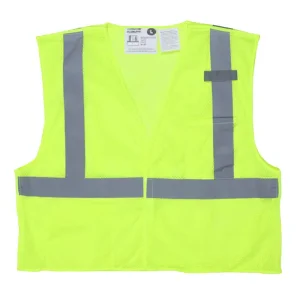
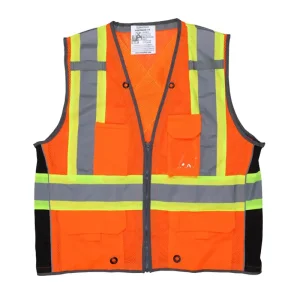
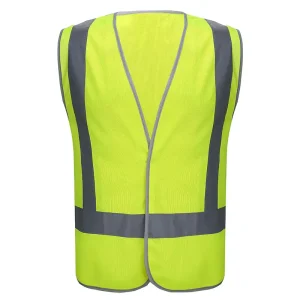
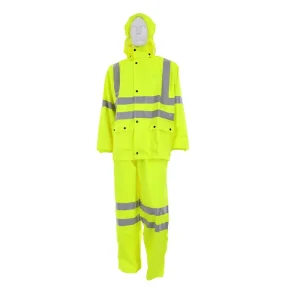
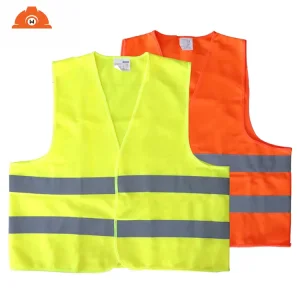
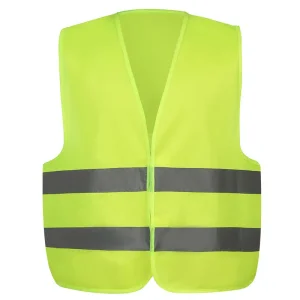
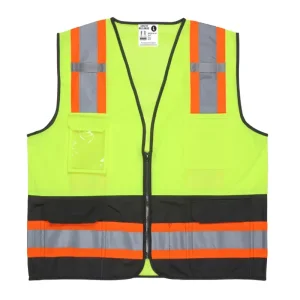
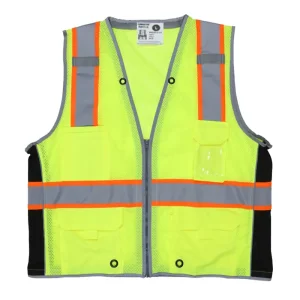
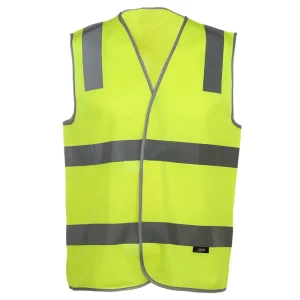
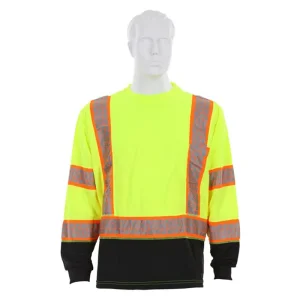
Explore our primary tier of engineered high-visibility garments designed for maximum photometric compliance, physical durability, and thermal regulation across harsh industrial environments.
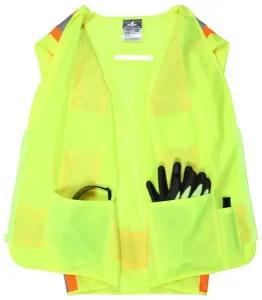
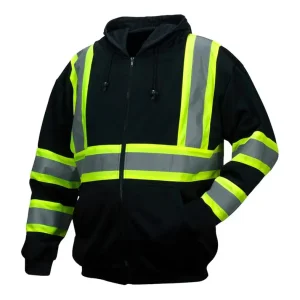
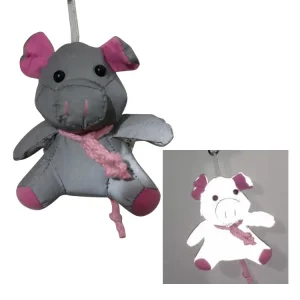
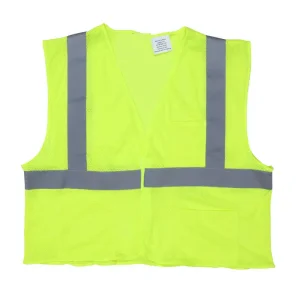
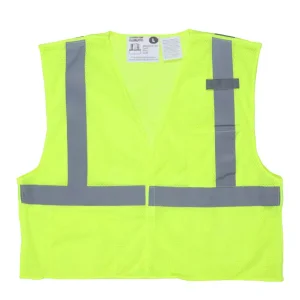
Analyzing the strategic transition from synthetic polyester substrates to advanced 100% cotton and natural-blend protective textiles across global B2B procurement supply chains.
In the rapidly evolving landscape of personal protective equipment (PPE), the demand for high-visibility garments has expanded beyond basic chromatic compliance. Historically, 100% polyester knits and woven Oxford fabrics dominated the market due to their low production costs and ease of high-contrast fluorescent dye absorption. However, modern heavy industrial sectors—including petrochemical processing, offshore oil drilling, smelting, electrical utilities, and mining—have uncovered significant structural vulnerabilities in synthetic hi-vis apparel. Polyester fibers inherent melt-and-drip properties under thermal stress present extreme burn injury hazards to workers exposed to flash fires or electric arc incidents.
Consequently, global procurement directors, EHS (Environmental Health and Safety) officers, and industrial enterprise buyers are driving a structural pivot toward Wholesale Safety Vest Cotton Manufacturers & Suppliers capable of engineering natural-fiber PPE. Pure cotton and cotton-rich blended safety vests deliver superior non-melting thermal performance, natural breathability, moisture management, and zero electrostatic accumulation—crucial for volatile atmospheric environments categorized under ATEX/IECEx directives.
The global high-visibility clothing market size, valued at approximately USD 2.84 Billion in 2024, is projected to expand at a compound annual growth rate (CAGR) of 6.8% through 2032. Heavy-duty cotton safety vests represent the fastest-growing sub-segment, driven by stringent regulatory enforcement (OSHA, EU PPE Regulation 2016/425) requiring flame-retardant (FR) treated natural fabrics in hazardous work zones.
Harmonization of ISO 20471 (Global high-visibility standard) with NFPA 2112 (Standard on Flame-Resistant Clothing) and NFPA 70E (Electrical Safety in the Workplace) has created an absolute mandate for high-visibility cotton vests that maintain both photometric brilliance and arc-thermal protection value (ATPV) ratings.
Multinational infrastructure and logistics giants are eliminating non-recyclable micro-plastic shedding synthetic workwear. Cotton safety vests derived from sustainable, OEKO-TEX certified organic yarns support corporate decarbonization targets while ensuring circular end-of-life garment recyclability.
Quantifiable technical indicators demonstrating the physical, thermal, and photometric superiority of Yongkang Wow Safety Products Co., Ltd.'s specialized cotton safety apparel.
A microscopic and thermodynamic comparative analysis of natural cotton fibers versus synthetic polymers in occupational hazard protection.
The primary challenge in manufacturing cotton high-visibility safety vests lies in overcoming the natural chemical structure of cellulose fibers to achieve bright fluorescent chromaticity values defined by ANSI/ISEA 107-2020 (specifically fluorescent yellow-green and fluorescent orange-red coordinate boxes). Standard cotton fibers lack the hydrophobic binding sites naturally present in polyester molecules, requiring proprietary cationic polymer pre-treatments and specialized reactive dye formulas to bind fluorescent pigments permanently without compromising tensile strength.
| Performance Parameter | 100% Heavy-Weight Cotton Vests | Standard Synthetic Polyester Vests | Operational Safety Impact |
|---|---|---|---|
| Thermal Behavior (Heat Exposure) | Chars at high temps; does NOT melt or drip onto human skin. | Melts rapidly at 250°C (482°F); adheres directly to dermal tissue. | Crucial protection against second and third-degree burn exacerbation during flash fires. |
| Electrostatic Charge Dissipation | Low triboelectric charge; high natural moisture content dissipates static. | High triboelectric accumulation; generates sparks in explosive dust/gas zones. | Mandatory for ATEX Zone 0, 1, 2 oil refineries, chemical plants, and grain silos. |
| Breathability & Moisture Vapor RET | Exceptional air permeability (RET < 4.5 m²Pa/W); highly absorbent. | Traps heat and sweat; creates severe micro-climate humidity against skin. | Reduces worker heat-stress mortality and fatigue during high-ambient-temperature labor. |
| Pilling & Tensile Tear Strength | High resistance to mechanical abrasion; zero synthetic fuzz build-up. | Prone to surface pilling which degrades retroreflective tape adhesion. | Extends operational lifecycle of high-wear surveyor and construction vests. |
| Tactile Comfort & Skin Compatibility | Hypoallergenic, soft natural tactile feel; non-irritating during 12-hour shifts. | Coarse synthetic texture; can induce contact dermatitis under heavy friction. | Dramatically increases worker voluntary wear compliance on job sites. |
To achieve industrial safety compliance, wholesale cotton safety vest fabrics undergo multi-stage chemical cross-linking. Organophosphorus flame retardant agents (such as Pyrovatex® or Proban® chemistry) are grafted directly into the cellulosic fiber matrix. This forms a permanent chemical bond that withstands over 50 rigorous industrial laundry cycles at temperatures exceeding 60°C (140°F). Furthermore, retroreflective glass bead tapes (3M™ Scotchlite™ or equivalent high-index micro-prismatic bands) are heat-sealed using custom-formulated elastomeric adhesives engineered specifically to bond with natural cotton weave structures.
Evaluating how environmental conditions, regulatory regionalism, and industry-specific hazards dictate cotton safety vest specifications globally.
Environmental Stressors: Extreme ambient temperatures (>45°C), high solar ultraviolet index, abrasive sandstorms, and volatile hydrocarbon gas exposure.
Solution Profile: 100% Cotton 200 GSM twill weave vests featuring anti-static grid wiring, inherent flame-retardant treatment, and high-contrast 4-inch lime/orange silver retroreflective striping. Cotton's high moisture absorption rate facilitates evaporative cooling, preventing thermal prostration in Gulf Cooperation Council (GCC) desert extraction sites.
Environmental Stressors: Arc flash hazard zones, high-voltage switching operations, stringent OSHA 1910.269 mandates.
Solution Profile: Heavy-weight cotton surveyor vests fitted with non-conductive dielectric zippers, hook-and-loop breakaway shoulder/side seams, and certified ATPV ≥ 8 cal/cm² (CAT 2). Elimination of metal snaps prevents arc energy transfer to utility technicians.
Environmental Stressors: High traffic density, variable weather conditions, rigorous EN ISO 20471 Class 2 / Class 3 verification requirements.
Solution Profile: Ergonomic cotton-rich duck canvas vests equipped with multi-pocket storage networks (radio loops, clear ID windows, tablet pockets). Reinforced stitching at stress points ensures mechanical integrity during high-rigor civil engineering operations.
Understanding the rigorous laboratory testing protocols required to certify cotton high-visibility safety garments for tier-1 global procurement contracts.
Procurement of wholesale cotton safety apparel demands strict verification of certification documentation from accredited third-party laboratories (such as UL, SATRA, Intertek, or SGS). Cotton substrates must undergo dual-spectrum evaluation: photometric chromaticity testing for background high-visibility materials and retroreflective performance under dry, wet, and cold conditions.
Defines garment Type (R=Roadway, O=Off-Road, P=Public Safety) and Class (1, 2, or 3). Cotton vests must provide minimum square inches of background fluorescent material (e.g., 775 sq in for Class 2) and retroreflective tape width (minimum 2 inches).
Mandates strict color fastness to perspiration, rubbing, and laundering. Requires retroreflective tape to maintain >330 cd/(lx·m²) coefficient of retroreflection even after maximum specified industrial wash cycles.
Governs thermal protective performance. Cotton vests must exhibit vertical flame burn char lengths under 4 inches and self-extinguish within 2 seconds of flame source removal.
Verifies complete absence of harmful heavy metals, carcinogenic azo dyes, formaldehyde, and toxic fluorinated chemicals (PFAS) in the cotton dyeing and finishing stages.
Forecasting technological convergence in smart textiles, sustainable organic cotton chemistry, and active lighting integration for future high-visibility protective wear.
Weaving conductive silver-coated cotton yarns directly into safety vest panels allows seamless embedding of biometric heat-stress monitors, heart rate sensors, and gas detection telemetry without adding rigid external modules.
Next-gen cotton safety vests incorporate bio-based plant wax nanocoatings that provide durable water repellency (DWR) and oil-stain resistance while eliminating hazardous PFAS chemicals entirely from the supply chain.
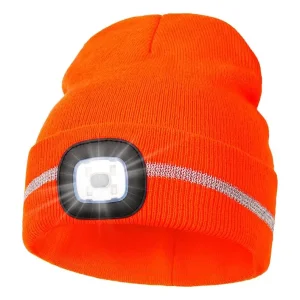
Hybrid cotton vests integrating micro-thin flexible LED strips powered by ultra-light rechargeable lithium polymer batteries, guaranteeing worker detection in zero-ambient-light subterranean or midnight roadworks.
Yongkang Wow Safety Products Co., Ltd.: Leveraging 15+ years of specialized manufacturing infrastructure to power global safety equipment brand supply chains.
As a premier Wholesale Safety Vest Cotton Manufacturer & Supplier located in Jinhua City, Zhejiang, China, Yongkang Wow Safety Products Co., Ltd. operates a state-of-the-art 6,000 m² industrial production plant staffed by over 150 highly skilled textile technicians. Our facility integrates automated digital pattern cutting, computerized multi-needle sewing stations, hot-press retroreflective bonding units, and in-house photometric darkrooms to guarantee strict quality assurance from raw cotton yarn to packaged finished goods.
We offer full-spectrum private label manufacturing: custom dyed cotton colorways (fluorescent lime, high-vis orange, deep navy, safety red), specialized pocket configuration tailored for surveyor equipment, screen printing, embroidery, and custom branded neck labels.
Every production batch undergoes batch testing for dimensional stability during laundering, color fastness under artificial xenon arc light, tensile tear strength, and retroreflection retention, ensuring 100% compliance with client tender specifications.
With a monthly production capacity exceeding 300,000 high-visibility units, our logistics network provides flexible freight solutions (FOB Ningbo/Shanghai, CIF, DDP) supported by complete export clearance documentation for North American, South American, European, and Middle Eastern ports.
In-depth technical answers addressing critical search intents, compliance inquiries, and bulk ordering specifications for safety vest cotton buyers.
Explore our secondary tier of complementary high-visibility gear, weather-resistant jackets, breakaway vests, and headwear for all-weather workplace protection.