1 / 4
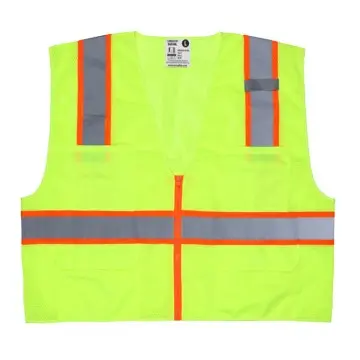
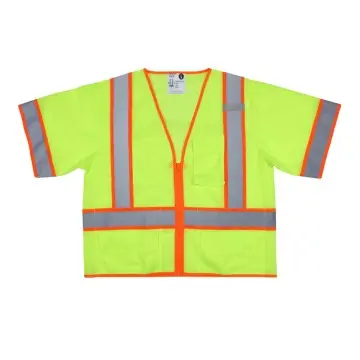
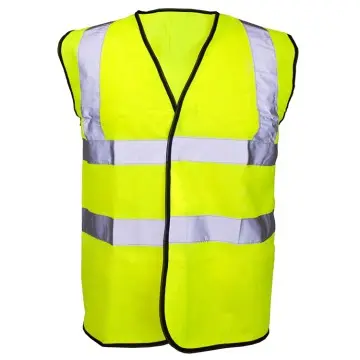
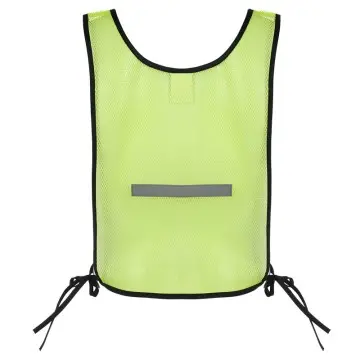
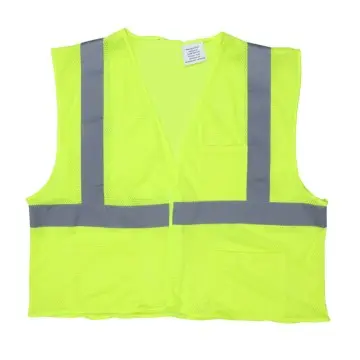
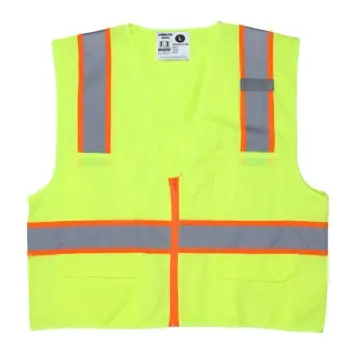
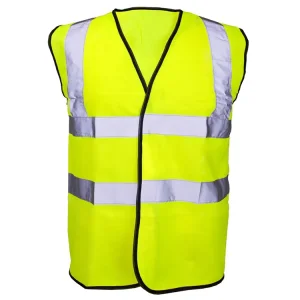
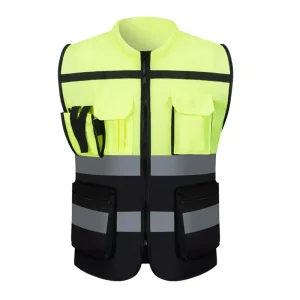
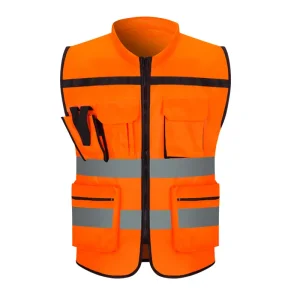
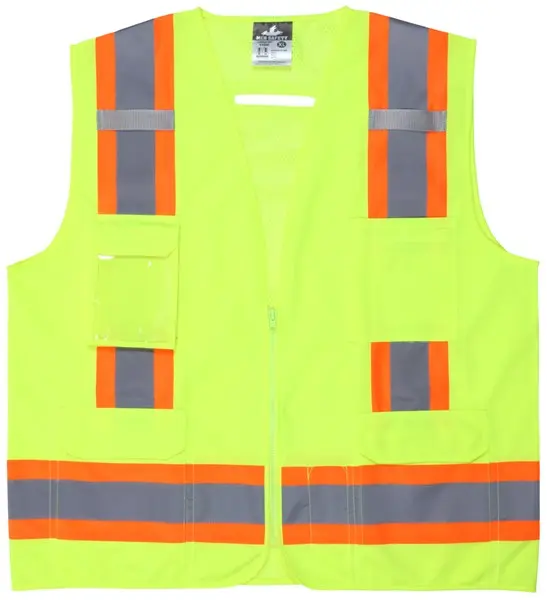
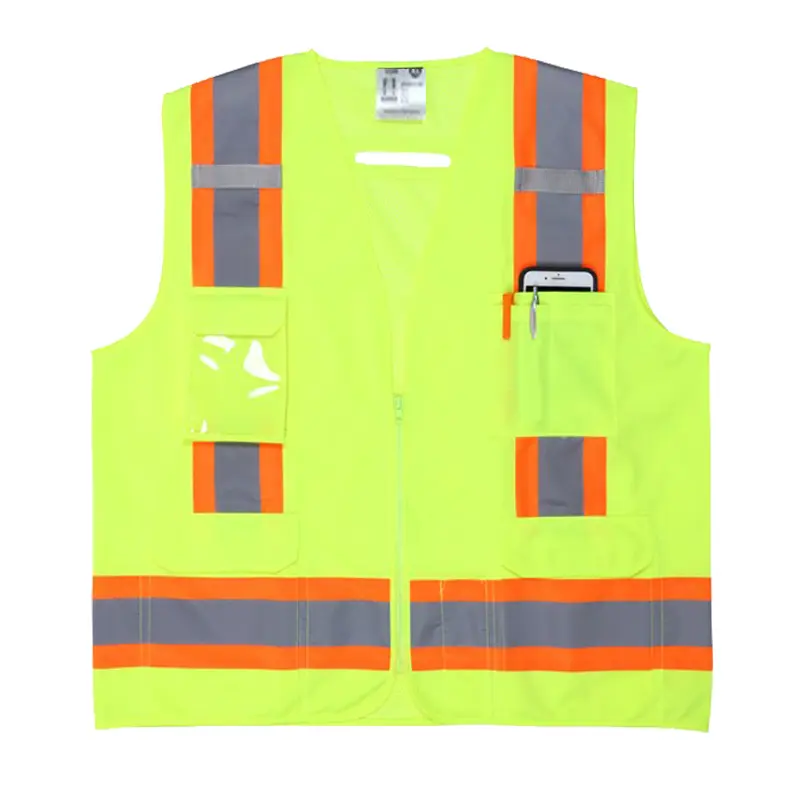
Class 2 safety vests require a minimum of 775 sq. inches of background fabric and 201 sq. inches of reflective tape, making them suitable for work near traffic traveling up to 25 mph. Class 3 vests offer higher visibility with at least 1,240 sq. inches of background material and 310 sq. inches of reflective tape, designed for high-risk environments or traffic exceeding 50 mph.
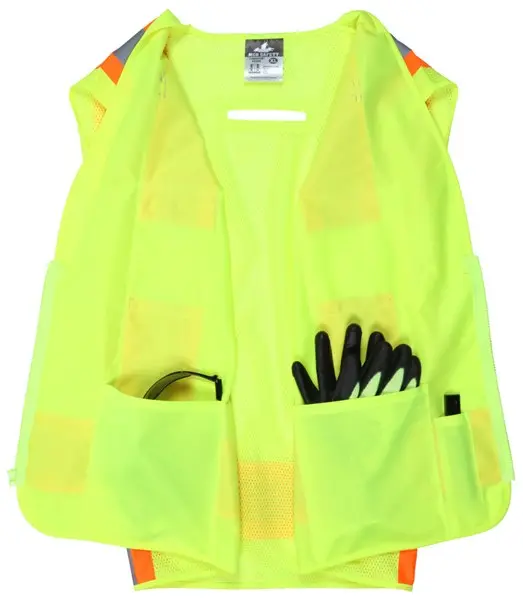
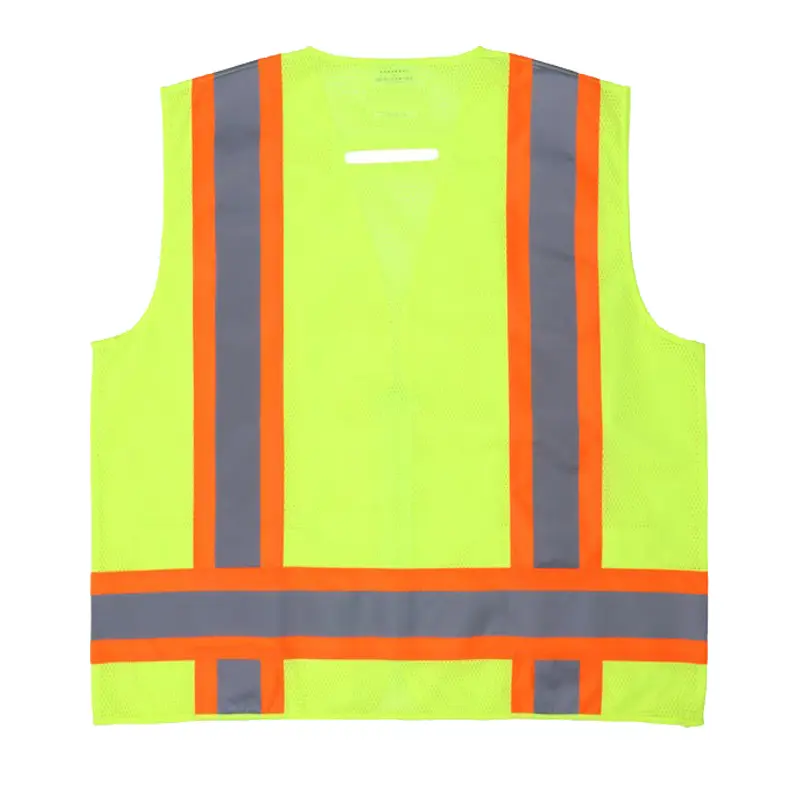
Mesh fabric allows maximum airflow and ventilation, significantly improving comfort during warm weather or physically demanding outdoor tasks while maintaining compliance with high-visibility safety standards.
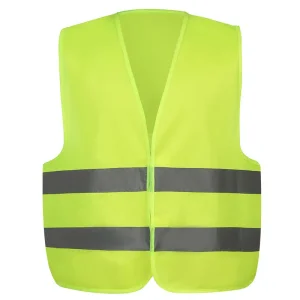
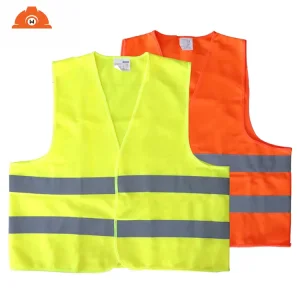
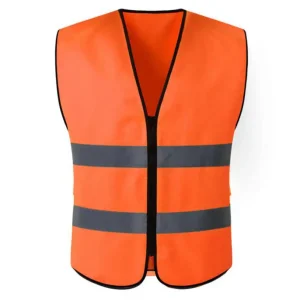
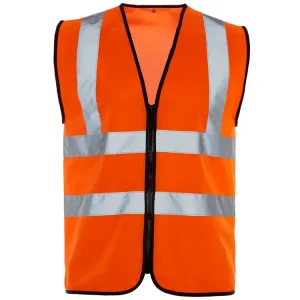
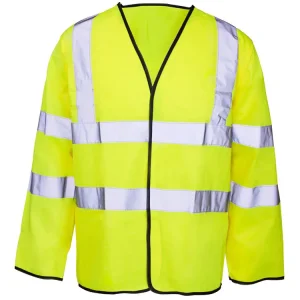
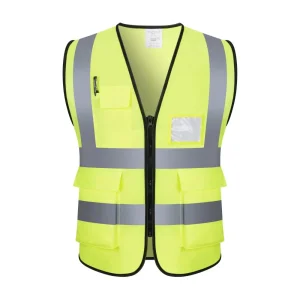
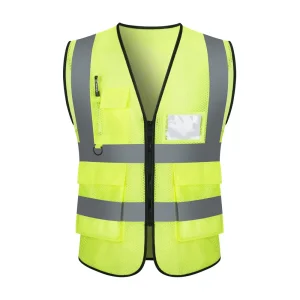
Hook-and-loop (Velcro) closures allow quick tear-away removal, which is ideal if there is a risk of the vest getting caught in moving machinery. Zipper closures provide a firmer, more secure fit for standard construction and traffic control duties.
Wash safety vests in cold water on a gentle cycle using mild detergent. Avoid bleach, fabric softeners, or high-heat machine drying, as these can degrade the micro-prismatic silver reflective tape and reduce visibility performance.
Safety vests should be replaced immediately if they are heavily soiled, faded, torn, or if the reflective stripes no longer reflect light clearly from a distance of 1,000 feet. Under typical daily outdoor usage, replacing vests every 6 to 12 months is recommended.