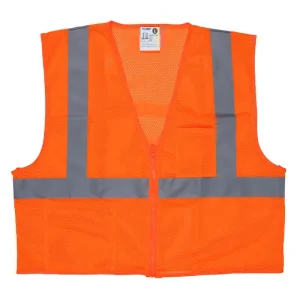
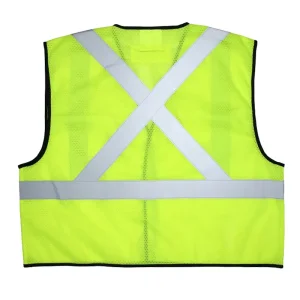
Certified high-visibility safety jackets, vests, and accessories engineered with multi-functional pocket configurations for optimal field utility.
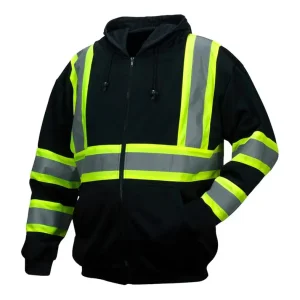
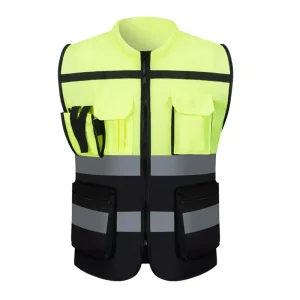
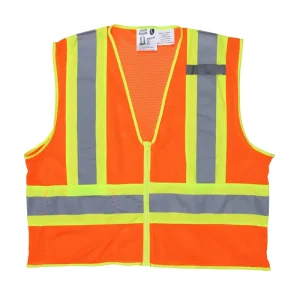
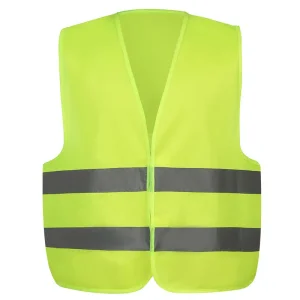
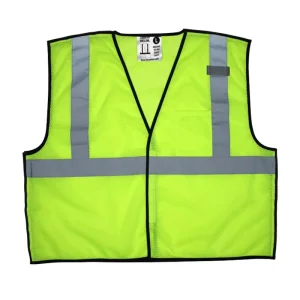
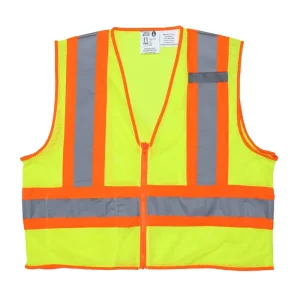
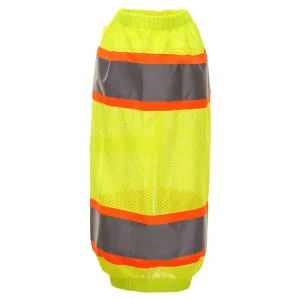
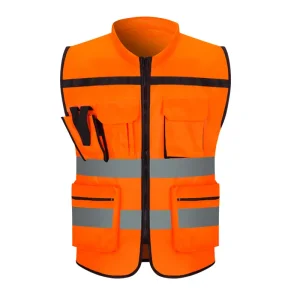
Strategic analysis of regulatory mandates, infrastructure expansion, and ergonomic pocket innovations driving global PPE sourcing demand.
The global Personal Protective Equipment (PPE) market has undergone a paradigm shift. High-visibility outerwear is no longer viewed merely as passive safety compliance gear. In modern civil infrastructure, logistics hubs, railway operations, and energy projects, the integration of wholesale safety jackets with pockets represents a crucial convergence of worker safety, operational efficiency, and ergonomic tool management.
According to international occupational health data, non-fatal workplace injuries resulting from dropped objects, unorganized tool transportation, and poor night-time worker contrast account for billions of dollars in annual enterprise operational losses. Enterprise safety directors now mandate high-visibility apparel that offers both optical luminosity (under ANSI/ISEA 107-2020 and EN ISO 20471 standards) and intelligent pocket architecture to streamline workflows.
In-depth technical breakdown of shell fabrics, waterproof membranes, micro-prismatic tapes, and structural stitching integrity.
Manufactured utilizing 300D to 600D Polyester Oxford weaves with polyurethane (PU) or polyvinyl chloride (PVC) backing. Engineered for superior tear resistance (>120N), color retention under intense UV exposure, and resistance against industrial abrasion in severe working conditions.
Incorporating premium glass-bead or micro-prismatic retroreflective materials certified to exceed 330 cd/(lx·m²) initial reflectivity. Maintains luminous flux density past 50 industrial wash cycles at 60°C (140°F), guaranteeing high visual contrast in ambient low-light settings.
Featuring advanced TPU micro-porous lamination delivering an 8,000mm hydrostatic head waterproof rating while maintaining 5,000g/m²/24h breathability. Fully sealed hot-melt taped seams eliminate water ingress through needle perforations.
| Performance Specification | Standard Test Method | Minimum Industry Requirement | Factory Superior Benchmark |
|---|---|---|---|
| Fluorescent Background Color | EN ISO 20471 / ANSI 107 | Luminance Factor β ≥ 0.70 (Lime) | β ≥ 0.76 (High-Chroma Lime/Orange) |
| Retroreflective Coefficient (Ra) | CIE 54.2 Protocol | ≥ 330 cd/(lx·m²) | ≥ 450 cd/(lx·m²) Prismatic Grade |
| Water Resistance (Hydrostatic) | ISO 811 / AATCC 127 | 5,000 mm H2O | 10,000 mm H2O Sealed Seams |
| Tear Strength (Warp/Weft) | ISO 13937-2 / ASTM D1424 | ≥ 25 N | ≥ 45 N Reinforced Ripstop |
| Industrial Laundering Life | ISO 6330 (60°C Washing) | 25 Cycles | 50 to 75 Certified Wash Cycles |
Structural pocket design breakdown optimized for digital equipment, radio communication, biometric clearance, and hand tools.
Expandable 3D gusseted pocket fitted with an adjustable hook-and-loop security strap, elastic antenna hold-downs, and dual heavy-duty mic tabs positioned at collarbone height.
Transparent window fabricated from UV-stabilized, non-yellowing TPU clear plastic. Rated for cold temperatures down to -25°C (-13°F) without cracking or clouding.
Dual large-capacity lower pockets engineered with side bellows to house gloves, tablets, and testing meters. Reinforced with heavy bartack stitching at load-bearing points.
Internal zipper-sealed pocket positioned under the primary storm flap. Protects blueprints, mobile phones, and inspection logs against direct rain exposure.
How our factory delivers certified custom safety outerwear with strict quality management protocols and scalable wholesale manufacturing capacity.
Operating a 6,000+ square meter specialized apparel production facility staffed by over 150 skilled garment technicians, our factory delivers end-to-end OEM and ODM services tailored to international distributors and brand owners. Sourcing wholesale safety jackets with pockets directly from China manufacturers yields significant procurement cost advantages while providing access to cut-and-sew customization.
Every production batch undergoes multi-stage inspections: incoming fabric tensile/colorfastness testing, in-line stitching accuracy verification, and post-assembly hydrostatic pressure testing prior to shipment.
Full support for custom corporate branding: silkscreen logo printing, heat-transfer vinyl reflective logos, custom woven neck labels, hangtags, zipper pullers, and specialized pocket placement options.
High-throughput automated cutting tables, computerized sewing units, and hot-melt seam sealing machinery ensure consistent sizing accuracy, low defect rates, and reliable lead times for large-scale B2B orders.
Matching specialized safety jacket builds with regional safety regulatory frameworks and industry environments.
Type R Class 2 & Class 3: Mandatory for roadway construction, utility work, and emergency response teams exposed to traffic exceeding 25 mph and 50 mph respectively. Requires minimum fluorescent background area (775 sq in for Class 2; 1240 sq in for Class 3) and retroreflective tape coverage.
Class 1, Class 2 & Class 3: Governs European high-visibility workwear. Incorporates strict background fabric color chromaticity coordinates (Fluorescent Yellow, Orange-Red, Red) and mandatory sleeve/torso retroreflective band placement.
High-Visibility Rail Orange: Specifically requires high-visibility orange garments ($R_a$ spectral color coordinates certified) to ensure trackside personnel are distinctively visible against track ballast and vegetation backgrounds.
Innovations shaping the future of industrial protective apparel: active illumination, eco-friendly textiles, and IoT integration.
The high-visibility safety clothing sector is undergoing accelerated technological advancement driven by smart wearable electronics and sustainable manufacturing principles. As global industries digitize, safety jackets are evolving into connected wearable platforms.
Integration of flexible, washable LED light strips within garment panels to provide active illumination in pitch-black environments without requiring an external light source to strike retroreflective tape.
Transitioning to 100% Recycled Post-Consumer PET polyester fabrics and eco-solvent DWR coatings, significantly reducing carbon footprints while maintaining ANSI/EN ISO luminosity criteria.
Embedding RFID chips into internal pocket structures for seamless automated tool tracking, equipment inventory management, and personal compliance verification upon site entry.
Expert responses to critical questions regarding compliance, pocket specs, wash durability, and wholesale manufacturing.
Under ANSI/ISEA 107-2020 and EN ISO 20471 standards, Level 2 retroreflective material must yield a minimum coefficient of retroreflection ($R_a$) of 330 cd/(lx·m²) at a 5° entrance angle and 0.2° observation angle. Factory-grade prismatic tapes can exceed 450 cd/(lx·m²).
Pocket placement must not reduce the total visible area of fluorescent background fabric below certified thresholds (775 sq in for Class 2; 1,240 sq in for Class 3). Retroreflective tape must remain continuous around the torso and sleeves without excessive break gaps caused by pocket flaps.
300D Oxford polyester is a heavy-duty woven fabric typically coated with PU or PVC, offering water resistance and high tear strength for jackets and parkas. Warp Knitted Tricot is lighter, highly breathable, and flexible, making it ideal for summer safety vests and light outerwear shells.
Yes. However, logo placement must comply with certification rules. Logos should be placed on pocket flaps or clear chest print zones so they do not obstruct retroreflective tape strips or reduce fluorescent background area below mandatory square-inch thresholds.
Standard safety jackets are certified for 25 domestic wash cycles at 40°C. Premium factory safety jackets engineered with industrial-grade heat-transfer reflective tape can endure 50 to 75 industrial wash cycles at 60°C while maintaining standard compliance.
Typical sample development requires 5–7 business days upon tech pack approval. Bulk production lead time generally ranges from 25 to 35 days, depending on fabric custom dyeing requirements, pocket complexity, and seasonal factory scheduling.
FR safety jackets utilize specialized Modacrylic, Flame-Retardant Treated Cotton, or Aramid fiber blends complying with NFPA 2112 and EN ISO 11612. They prevent melt-drip hazards in petrochemical or electrical arc flash environments while maintaining high visibility.
Supervisors require dual chest mic tabs for walkie-talkies, a clear TPU ID card badge pocket, a tablet-sized gusseted cargo pocket, specialized pen slots, and an internal zipped pocket for site documentation.
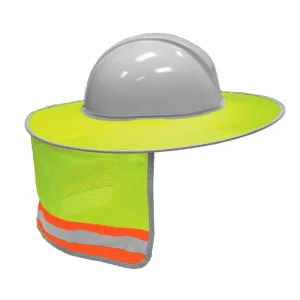
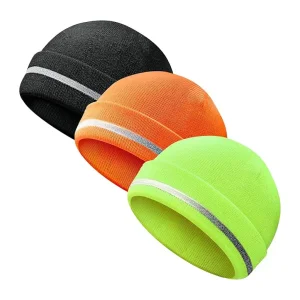
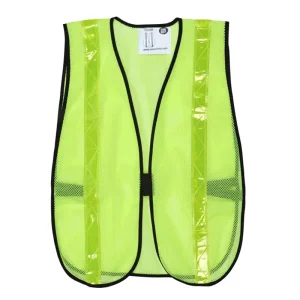
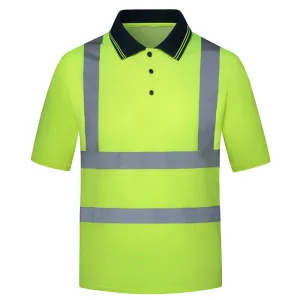
Complete your fleet PPE procurement with compliant safety headwear, leg gaiters, mesh vests, and specialized reflective gear.