What safety standards do high visibility reflective vests comply with?
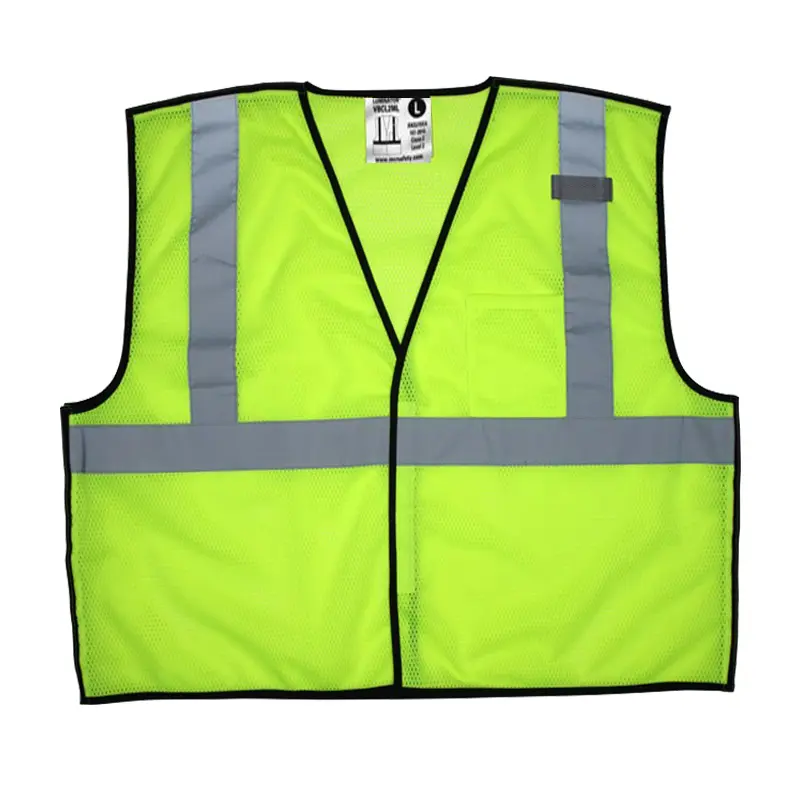
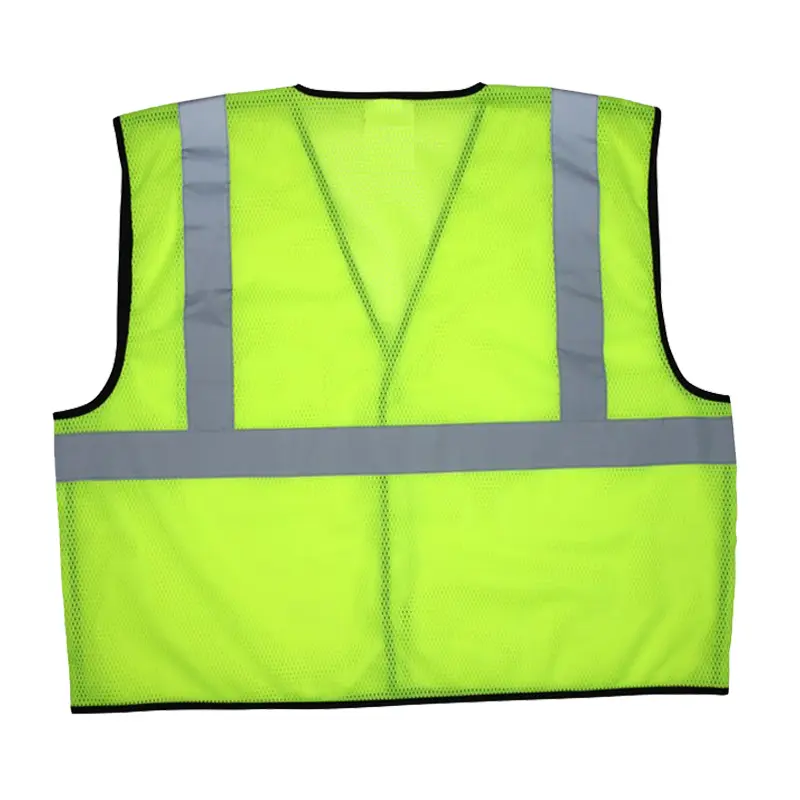
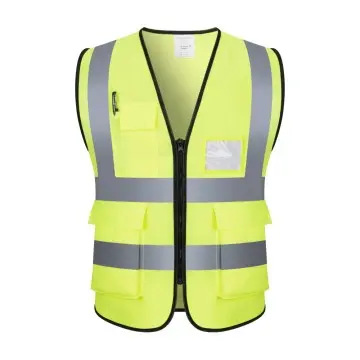
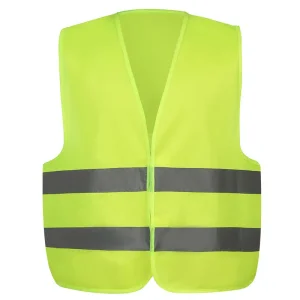
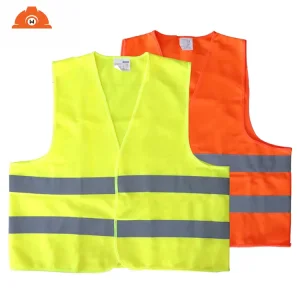
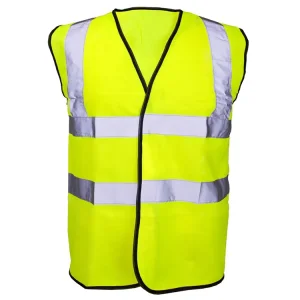
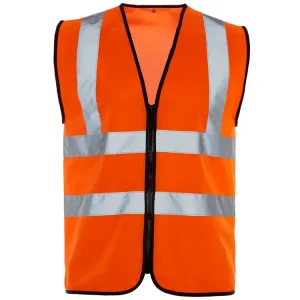
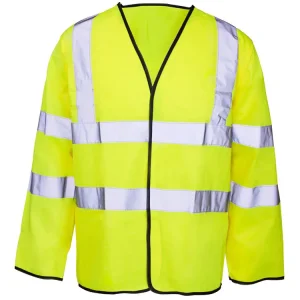
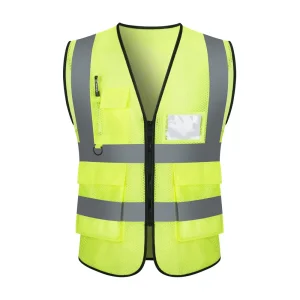
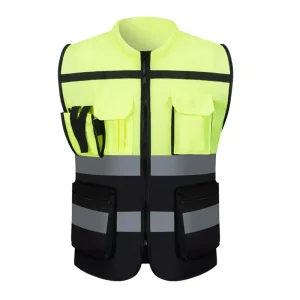
High visibility safety vests are typically designed to comply with international standards such as ANSI/ISEA 107 in the US and EN ISO 20471 in Europe. These standards regulate the minimum square area of background material and retroreflective tape required for adequate daytime and night-time visibility.
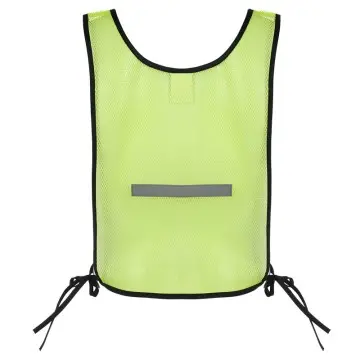
What is the difference between mesh fabric and warp knitted fabric?
Mesh fabric is lightweight and highly breathable, making it ideal for warm weather or intense physical work. Warp knitted fabric offers higher durability, structured fit, and better tearing resistance, which is suitable for harsher construction and industrial environments.
How do I clean and maintain reflective safety gear?
To preserve reflective efficiency, machine wash vests on a gentle cycle with mild detergent in cold or warm water. Avoid bleach, fabric softeners, and dry cleaning. Air drying is strongly recommended as high dryer temperatures can damage the reflective tapes.
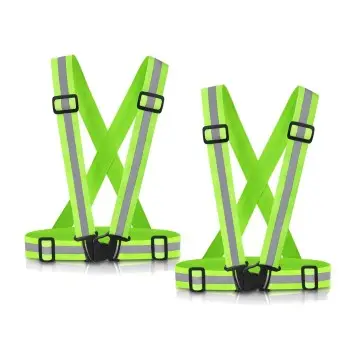
Are reflective running light belts adjustable for different body sizes?
Yes, high-visibility adjustable running belts feature elastic, fully customizable straps that can easily fit over summer t-shirts as well as bulky winter jackets, ensuring a secure and comfortable fit for both men and women.
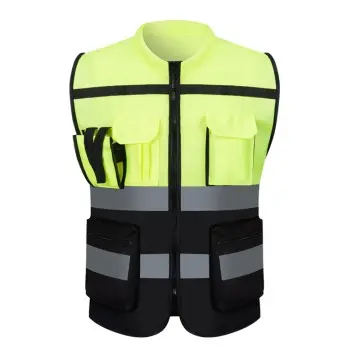
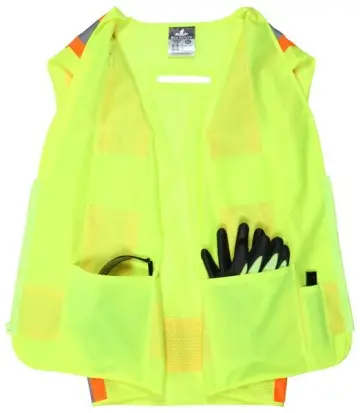
What are the benefits of multi-pocket reflective safety vests?
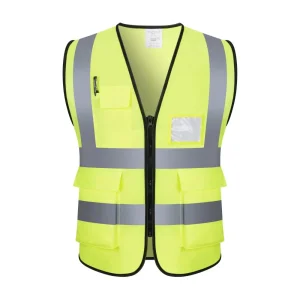
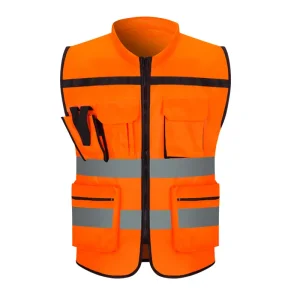
Multi-pocket safety vests provide functional convenience for professionals needing to carry tools, pens, notebooks, mobile phones, and IDs securely. Zipper fronts ensure quick wearing and robust closure during field activities.
Why are 4-inch contrast stripes used on safety vests?
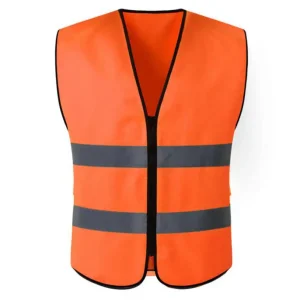
The 4-inch striping (typically combining high-contrast orange background with silver reflective tape) dramatically improves visual recognition against complex working backgrounds, enhancing worker detection in low-light and nighttime conditions.