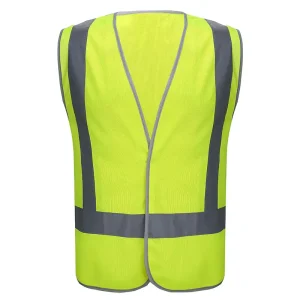
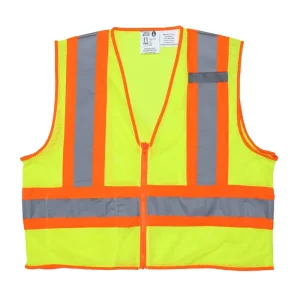
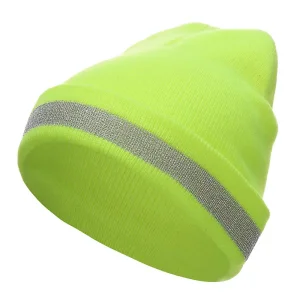
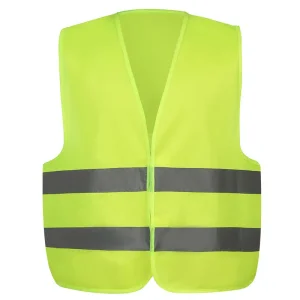
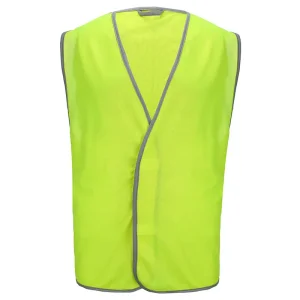
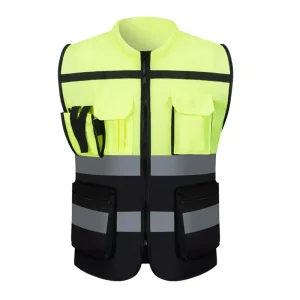
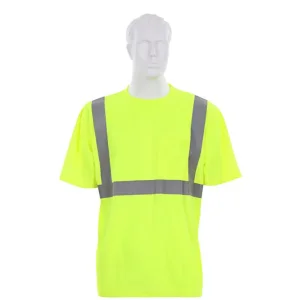
Factory-direct reflective vests and safety headwear compliant with ANSI/ISEA 107 Class 2/3 and EN ISO 20471 international standards.
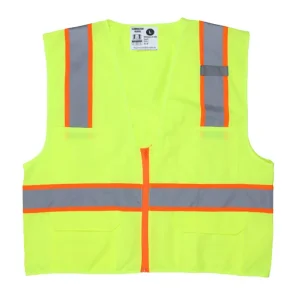
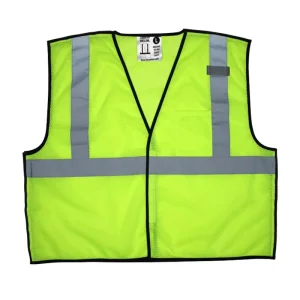
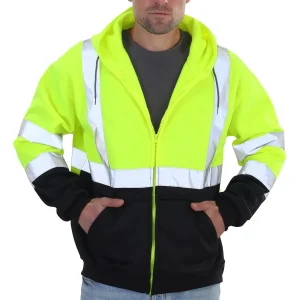

Strategic insights into global regulatory compliance, advanced photometric standards, and intelligent supply chain optimization for safety first vest procurement.
The global Personal Protective Equipment (PPE) sector has undergone a profound transformation. What was historically treated as a commoditized compliance item—simple high-visibility mesh garments—has evolved into a sophisticated, micro-engineered segment of industrial safety infrastructure. Modern safety first vests serve as the first line of passive defense against vehicle-related impact, machinery entanglement, and low-light occupational hazards across civil engineering, logistics hubs, mining concessions, and municipal response networks.
According to recent industrial safety market analyses, the demand for certified High-Visibility (Hi-Vis) apparel is projected to expand at a CAGR of 6.8% through 2030. This growth is accelerated by stricter statutory enforcement by regulatory entities such as the United States Occupational Safety and Health Administration (OSHA), the European Agency for Safety and Health at Work (EU-OSHA), and equivalent bodies across the Asia-Pacific region. Enterprise procurement teams no longer evaluate manufacturers strictly on unit price; instead, decision-making hinges on verified photometric longevity, supply chain transparency, ergonomic adaptability, and strict adherence to international standardizations (ANSI/ISEA 107-2020, EN ISO 20471:2013+A1:2016, and AS/NZS 4602.1:2011).
Benchmarking structural reliability, factory throughput, and compliance tolerances.
Understanding chromaticity coordinates, retroreflection technology, and structural fabric dynamics.
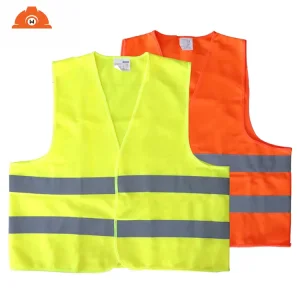
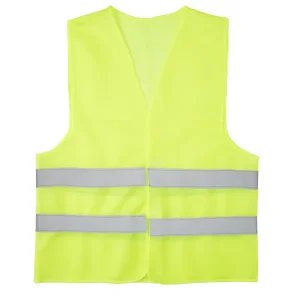
The daytime performance of a safety vest depends entirely on fluorescent base materials (Fluorescent Yellow-Green, Fluorescent Orange-Red, and Fluorescent Red). These fabrics convert invisible ultraviolet light into visible light through luminance radiation. We specify 100% warp-knitted polyester (120 gsm to 160 gsm) or high-tensile breathable polyester mesh. The yarn density guarantees high tear strength while maintaining lightweight ergonomics required for extended shifts in tropical or high-temperature environments.
Night-time visibility is achieved through retroreflective trims utilizing micro-glass bead or microprismatic optical science. Micro-glass beads focus incident light from vehicle headlamps and reflect it directly back to the driver's eye-level vector. OEM options include standard silver glass-bead tapes, 3M™ Scotchlite™ reflective materials, and contrast 3-inch/4.5-inch two-tone tape assemblies (e.g., silver tape centered over fluorescent orange or lime webbing) to offer enhanced daytime contouring alongside nighttime brilliance.
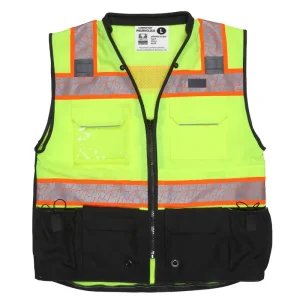
Workplace conditions demand specialized fast-release configurations. Heavy machinery operators and rail workers utilize 5-point breakaway vest designs (hook-and-loop closures at shoulders, sides, and front zip) to prevent entanglement accidents. Surveyor safety vests feature load-bearing 9-pocket configurations, reinforced mic tabs, zippered tablet pockets, and heavy-duty resin or metal front zipper closures to withstand demanding job-site utility.
| Standard / Class | Minimum Background Material | Minimum Retroreflective Tape | Typical Risk Environment | Recommended Sector |
|---|---|---|---|---|
| ANSI/ISEA 107 Class 1 | 0.14 m² (217 sq. in.) | 0.10 m² (155 sq. in.) | Vehicle speeds < 25 mph (40 km/h) | Parking attendants, warehouse personnel |
| ANSI/ISEA 107 Class 2 | 0.50 m² (775 sq. in.) | 0.13 m² (201 sq. in.) | Vehicle speeds > 25 mph, high traffic zones | Construction crews, utility workers, roadway survey |
| ANSI/ISEA 107 Class 3 | 0.80 m² (1240 sq. in.) | 0.20 m² (310 sq. in.) | High-speed traffic corridors, extreme night risk | Highway infrastructure, emergency first responders |
| EN ISO 20471 Class 2 | 0.50 m² | 0.13 m² | European municipal roads and construction | Logistics hubs, European public works tenders |
| AS/NZS 4602.1 Class D/N | Day & Night dual specification | 50mm wide high-performance retroreflective tape | Australasian outdoor and mining operations | Australian/NZ civil works & mining sites |
How modern Zhejiang manufacturing centers deliver unprecedented cost efficiency, batch consistency, and rapid global distribution.
Located in Jinhua City, Zhejiang Province, Yongkang serves as China's hardware and industrial protective gear nexus. This geographic concentration creates a fully integrated cluster: raw yarn spinning, fluorescent dyeing mills, reflective tape coating facilities, and specialized apparel factories reside within a 30-kilometer radius. This localized supply chain minimizes raw material procurement lead times to less than 48 hours, shielding international buyers from global supply chain friction.
Modern production facilities utilize automated laser nesting cutters that achieve zero-gap fabric utilization while maintaining laser-sealed edges that prevent fraying. Combined with digital ERP tracking systems, every batch of wholesale safety first vests undergoes spectrophotometric color checking and retroreflectometer calibration. Quality assurance adheres to ISO 9001 protocols, ensuring strict Acceptable Quality Limit (AQL 1.5/4.0) adherence prior to export dispatch.
From custom silk-screen corporate logos and heat-transfer vinyl branding to customized pocket geometries and multi-lingual care tags, China factories offer modular ODM services. Flexible line balancing permits rapid switching between economy high-volume promotional orders (50,000+ units) and highly technical, multi-norm compliant protective vest runs (e.g., flame-retardant NFPA 2112 combined with EN ISO 20471).
Customizing safety first vest specifications to match specific operational hazards and global environmental conditions.
High-speed road construction demands maximum visual contrast against asphalt and foliage. Vests configured with Class 2 or Class 3 bright lime-green fabric featuring 4-inch orange-silver-orange trim ensure 360-degree detection at distances exceeding 300 meters, granting vehicle operators adequate braking distance.
Aviation environments require zero Foreign Object Debris (FOD) hazards alongside strict tear-away compliance. Vests designed for tarmac workers utilize heavy-duty plastic zippers or hook-and-loop breakaway seams, integrated clear ID badge slots, and dual radio chest loops without loose strings or unanchored toggles.
In high-density distribution centers where automated guided vehicles (AGVs) operate alongside human pickers, lightweight 100% polyester mesh vests provide thermal regulation during physically demanding shifts, paired with targeted microprismatic strips optimized for warehouse LED spectral waveband reflection.
Hazardous zones containing combustible dust or hydrocarbon vapors necessitate high-visibility vests constructed from Anti-Static (ESD) yarn and Flame-Retardant (FR) treated cotton/modacrylic blends, preventing electrostatic discharge ignition while providing emergency visual tracing.
Expert answers to standard compliance, sourcing procedures, and technical specifications for B2B procurement managers.
Explore our expanded collection of surveyor vests, warp-knitted garments, and AS/NZS certified protective wear.