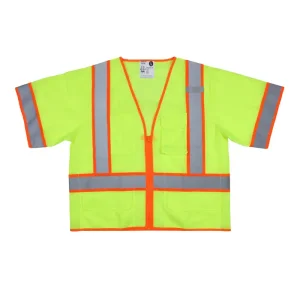
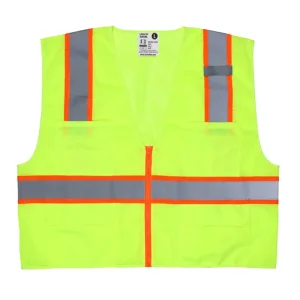
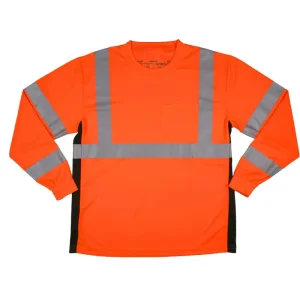
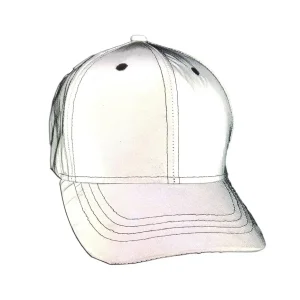
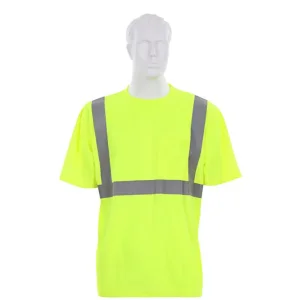
Explore our flagship high-visibility apparel engineered for industrial safety, maximum photopic contrast, and severe-duty performance across global logistics and construction environments.
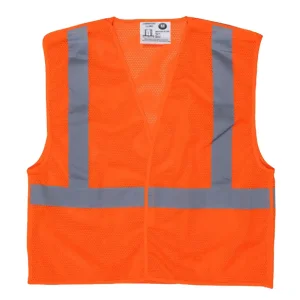
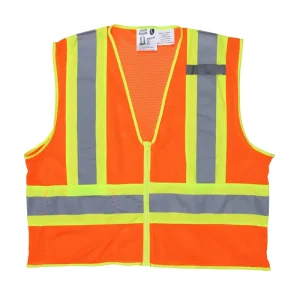
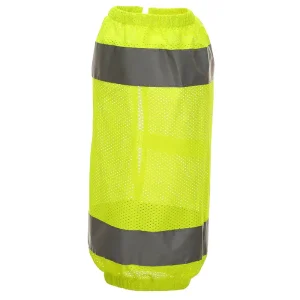
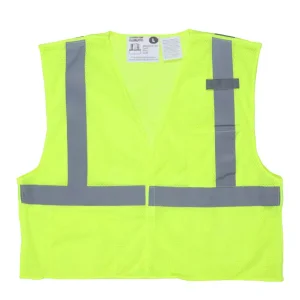
In the contemporary occupational safety landscape, the global Personal Protective Equipment (PPE) sector has undergone a structural paradigm shift. High visibility tee shirts (Hi-Vis T-Shirts) have evolved from basic compliance-driven garments into highly engineered, multifunctional technical apparel. Enterprise procurement managers, institutional safety buyers, and B2B distributors sourcing from wholesale high visibility tee shirts suppliers & supplier networks now demand far more than mere chromatic brightness. Modern industrial environments require ergonomic comfort, advanced moisture management, compliance with complex regulatory standards, and extended garment lifespans under severe laundering conditions.
The macroeconomic drivers behind this transition include stringent enforcement by safety authorities such as the US Occupational Safety and Health Administration (OSHA), European Directive 89/686/EEC, and updated ISO standards. Modern infrastructure mega-projects, expanded logistics networks, and 24/7 manufacturing hubs require continuous worker visibility across fluctuating ambient light levels, extreme ambient temperatures, and complex visual environments. Consequently, top-tier B2B suppliers must integrate cutting-edge textile chemistry, precision retroreflective physics, and automated apparel manufacturing workflows to deliver high-performance Hi-Vis T-shirts at scale.
The core performance of any high visibility tee shirt lies in its fabric architecture and chromatic dye formulation. Leading manufacturers utilize high-tenacity synthetic yarns, primarily 100% spun polyester or specialized poly-cotton blends, engineered to bind with fluorescent dyestuffs at the molecular level.
Designed with open 3D cellular structures that facilitate rapid heat dissipation and passive airflow. Ideal for high-heat environments like road construction and summer utility maintenance.
Yarns treated with permanent capillary moisture-wicking finishes pull sweat away from the epidermis to the outer surface for rapid evaporation, preventing heat stress and fatigue.
Incorporation of UPF 50+ UV-blocking inhibitors and silver-ion antimicrobial coatings prevents solar radiation damage and bacterial degradation during extended outdoor wear.
The safety efficacy of high visibility garments during dusk, dawn, and nighttime operations depends directly on retroreflective coefficient performance (measured in cd/lx/m²). Modern wholesale high visibility tee shirts suppliers utilize two distinct technological routes for retroreflective elements:
Navigating international safety standards is paramount for B2B importers, corporate buyers, and safety supply distributors. High visibility tee shirts must meet strict quantitative thresholds regarding minimum background fabric area, retroreflective tape surface area, chromaticity coordinates (x,y), and luminance factor (Y%).
| Standard Region | Classification | Min. Background Material | Min. Reflective Material | Primary Target Application |
|---|---|---|---|---|
| ANSI/ISEA 107-2020 (USA) | Type R, Class 2 | 0.50 m² (775 sq. in.) | 0.13 m² (201 sq. in.) | Roadway construction, traffic control, utility crews (>25 mph) |
| ANSI/ISEA 107-2020 (USA) | Type R, Class 3 | 0.80 m² (1240 sq. in.) | 0.20 m² (310 sq. in.) | High-speed highway zones, emergency response (>50 mph) |
| EN ISO 20471:2013 (EU) | Class 2 Garment | 0.50 m² | 0.13 m² | European logistics hubs, municipal maintenance, railway personnel |
| EN ISO 20471:2013 (EU) | Class 3 Garment | 0.80 m² | 0.20 m² | Full-body coverage required for extreme hazardous conditions |
| AS/NZS 1906.4:2010 (AU/NZ) | Class F / Day/Night | High-luminance fluorescent | Photometric Class R | Australian mining sectors, port authorities, rail networks |
Leading tier-1 factories back their product claims with rigorous third-party lab testing from accredited bodies such as SATRA, SGS, TÜV Rheinland, and Intertek. Standard test protocols evaluate color fastness under artificial light exposure (ISO 105-B02), dimensional stability after 50 industrial wash cycles (ISO 6330), and tear/tensile strength.
High visibility tee shirts are deployed across diverse operating environments, each presenting unique mechanical stress, climatic conditions, and optical hazards. Wholesale buyers must carefully match garment specifications to industry-specific demands:
Demands ANSI Class 2 or Class 3 compliance with Fluorescent Yellow-Green or Fluorescent Orange-Red background fabrics. Requires rugged 150+ GSM interlock or bird-eye polyester to withstand dirt, oil, and frequent friction.
Requires high contrast garments, often pairing fluorescent fabrics with dark contrast panels (navy blue or black bottom hem) to conceal grease stains. Must incorporate anti-static carbon fibers when operating in fueling zones.
Emphasis on lightweight, high-breathability mesh fabrics with segmented elastic reflective striping. Provides maximum mobility for fork-lift operators, order pickers, and freight loaders working in active loading bays.
Partnering with an experienced, factory-direct supplier provides B2B buyers with immense competitive advantages in pricing agility, customization flexibility, and inventory turnover. Establishing a reliable wholesale supply chain for high visibility tee shirts requires assessing several critical operational parameters:
Enterprise clients frequently require corporate branding alongside safety compliance. Suppliers must offer precision screen printing, heat transfer vinyl, and embroidery techniques that preserve fabric breathability without compromising retroreflective certification zones.
Every shipment must adhere to strict Quality Assurance (QA) checkpoints prior to export. Inspection routines encompass raw fabric GSM verification, color shade matching via spectrophotometer under D65 daylight illuminants, seam tensile testing, and compliance labeling verification (including care instruction symbols, size charts, and ANSI/EN ISO cert badges).
The next decade will witness unprecedented integration of smart technology and sustainable manufacturing within the high visibility safety wear sector. Top suppliers are investing heavily in research and development to lead these industry shifts:
Integration of flexible LED ribbons and active optical fibers directly into garments, providing self-illuminating visibility even in total dark environments without external light sources.
Transition toward 100% Recycled PET (rPET) yarns derived from post-consumer plastic bottles, reducing carbon footprint while fulfilling corporate ESG compliance standards.
Embedded conductive micro-threads that monitor wearer heart rate, body core temperature, and hydration levels in real time to prevent heatstroke in extreme industrial work zones.
Comprehensive answers to key technical, compliance, and procurement questions regarding wholesale high-visibility t-shirts and protective safety apparel.
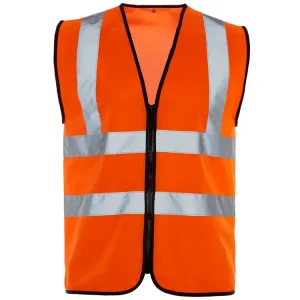
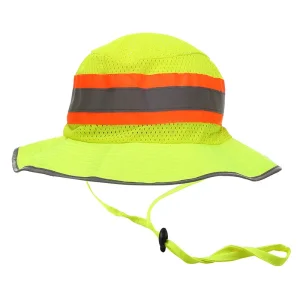
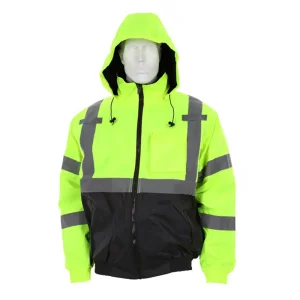
Explore additional specialized high-visibility equipment, protective vests, headwear, and multi-functional workwear designed for comprehensive industrial safety programs.