Direct factory wholesale items engineered for extreme durability, ANSI/ISEA compliance, and maximum breathability across harsh working environments.
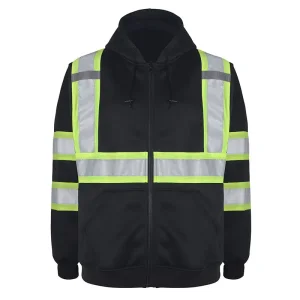
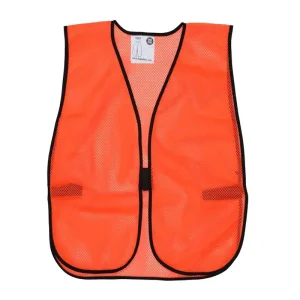
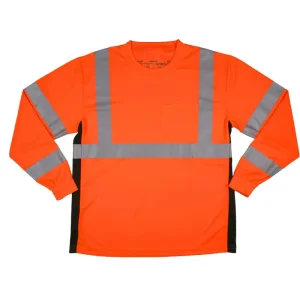
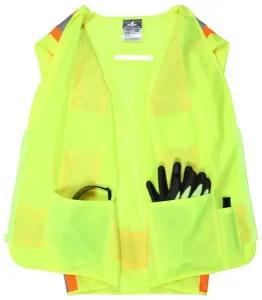
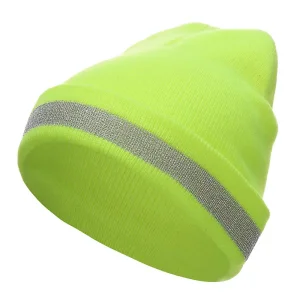
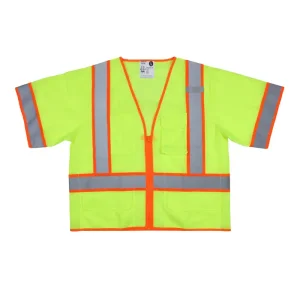
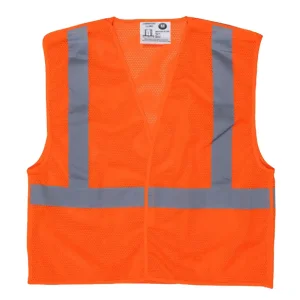
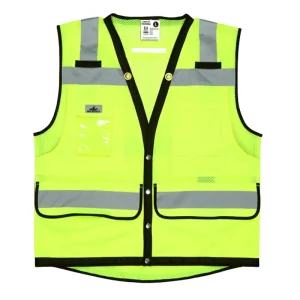
Understanding the transition from standard workwear to specialized high-visibility mesh garments in global industrial procurement.
In the modern personal protective equipment (PPE) sector, the high-visibility mesh vest has evolved from a basic compliance garment into a sophisticated, ergonomically engineered safety asset. As regulatory frameworks such as the U.S. Occupational Safety and Health Administration (OSHA) and European Personal Protective Equipment Directives become increasingly stringent, industrial entities worldwide require workwear that balances high photometric performance with wearer thermal comfort.
The global demand for high-visibility garments is surging across construction, transportation, aviation ground logistics, utility maintenance, and emergency services. Traditional solid polyester fabrics, while durable, often lead to heat stress, wearer exhaustion, and non-compliance when workers unzipper or remove garments due to uncomfortable heat buildup. This operational bottleneck has accelerated a major industry shift toward warp-knitted polyester mesh fabrics. By providing open-weave ventilation without compromising the surface area required for fluorescent background chromaticity, modern mesh vests represent the optimal balance of safety, thermal regulation, and structural longevity.
For B2B procurement managers, sourcing safety vests from qualified wholesale high visibility mesh vest factories requires evaluating crucial technical parameters: fabric Grams per Square Meter (GSM), retroreflective glass bead vs. micro-prismatic tape performance, wash durability ratings, and automated pattern consistency. China—specifically the manufacturing cluster in Yongkang and Jinhua, Zhejiang—serves as the primary operational nexus for global supply chains, offering unparalleled scalability, vertical material integration, and cost-efficiency.
A rigorous breakdown of fabric physics, chromaticity requirements, and retroreflective glass-bead technology.
Engineered using 100% high-tenacity polyester yarn. The warp-knitted honeycomb architecture guarantees high tensile strength, dimensional stability after laundering, and maximum airflow dissipation under direct sun exposure.
Formulated with specialized optical brighteners. Achieves strict CIE 15 chromaticity coordinates for Fluorescent Yellow-Green (x ≥ 0.387, y ≥ 0.610) and Fluorescent Orange-Red with luminance factors (β) exceeding 0.70.
Utilizes retroreflective micro-glass bead technology providing retroreflectivity values (μcd/lux/m²) > 330–500 cd/lux. Retains compliance after 25 to 50 industrial washing cycles at 40°C.
| Performance Characteristic | 120 GSM Polyester Mesh | 150 GSM Heavy Mesh | 120 GSM Solid Tricot |
|---|---|---|---|
| Air Permeability (mm/s) | > 2,500 mm/s (Maximum) | > 1,800 mm/s (High) | < 350 mm/s (Low) |
| Tear Strength (N) - ISO 13937-2 | ≥ 25 N | ≥ 40 N | ≥ 30 N |
| Thermal Resistance (Rct) | 0.008 m²K/W (Ultra-cool) | 0.012 m²K/W (Cool) | 0.035 m²K/W (Warm) |
| ANSI/ISEA 107 Background Area | Compliant (Class 2 & 3) | Compliant (Class 2 & 3) | Compliant (Class 2 & 3) |
| Recommended Work Environment | Hot/Humid Outdoor Construction | Mining, Heavy Rigging, Industrial | Indoor Logistics, Cold/Mild Weather |
When sewing retroreflective tape onto breathable mesh, shear stress can alter tape alignment. Premium factories employ bonded backing tape or perforated micro-prismatic strips. Perforated retroreflective tape allows the mesh beneath to breathe freely through the tape itself, lowering total garment thermal mass while preventing edge delamination caused by sweat and moisture accumulation during long shifts.
Tailoring high-visibility mesh vest specifications to specific job site hazard levels and microclimates.
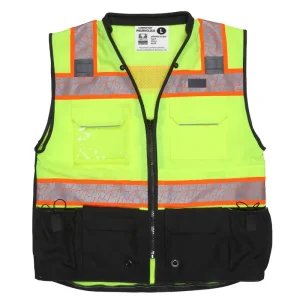
Requirement: ANSI/ISEA 107 Type R Class 2 or Class 3. Roadway workers operating near traffic moving at speeds over 25 mph require 360-degree visibility. Fluorescent lime mesh with 2-inch silver reflective tape and contrast 4-inch orange backing ensures distinct identification against complex asphalt backgrounds under daylight and nighttime illumination.
Requirement: Anti-Static Mesh & Non-Magnetic Fasteners. Ramp agents and airport tarmac personnel require mesh vests equipped with plastic zippers or non-conductive hook-and-loop closures to prevent Foreign Object Debris (FOD) hazards and spark ignition in fueling zones.
Requirement: Multi-Pocket Surveyor Vests with Reinforced Mesh. Field engineers need storage for tablets, blueprints, radio units, and calipers. Heavy-duty 150 GSM mesh vests incorporate dual mic tabs, grommets for tape dispensers, and padded neck collars to distribute tool weight comfortably.
Requirement: 5-Point Breakaway Safety Mechanism. In high-hazard zones, machinery entanglements pose severe risks. Breakaway mesh vests utilize tear-away velcro closures at the shoulders, sides, and front zipper, allowing the garment to release immediately under mechanical tension.
How the Yongkang/Jinhua manufacturing hub delivers scale, speed, and cost advantages for global wholesale buyers.
The Yongkang industrial ecosystem clusters raw polyester yarn spinning, fluorescent dyeing mills, retroreflective tape manufacturers, and zipper foundries within a 30-kilometer radius. This proximity reduces material lead times to under 48 hours.
Modern factory floors leverage computer-numeric-control (CNC) automated laser cutters to trim mesh panels with sub-millimeter precision, preventing fabric fraying and ensuring perfect seam alignment across high-volume OEM orders.
Operating under ISO 9001 and BSCI standards, factory QC teams conduct spectrophotometer color matching, tensile tear strength tests, and wash-durability sampling per Acceptable Quality Limit (AQL) 1.5/4.0 criteria.
Navigating complex international standard specifications across North America, Europe, Australia, and Asia-Pacific.
| Standard | Target Region | Key Test Criteria | Minimum Background Mesh Area | Minimum Reflective Tape Area |
|---|---|---|---|---|
| ANSI/ISEA 107-2020 | North America | Chromaticity, Retroreflectivity, Heat Resistance | 0.50 m² (Class 2) / 0.80 m² (Class 3) | 0.13 m² (Class 2) / 0.20 m² (Class 3) |
| EN ISO 20471:2013 | European Union / UK | Color Fastness, Industrial Laundry, Xenon Arc Aging | 0.50 m² (Class 2) / 0.80 m² (Class 3) | 0.13 m² (Class 2) / 0.20 m² (Class 3) |
| AS/NZS 4602.1:2011 | Australia / New Zealand | UV Degradation, Day/Night Class splits, Harness compatibility | 0.40 m² (Class D/N) | 0.10 m² (Class D/N) |
| OEKO-TEX Standard 100 | Global | Chemical safety: Zero Azo Dyes, Heavy Metals, Formaldehyde | N/A (Fabric Eco-Safety) | N/A (Fabric Eco-Safety) |
Emerging innovations transforming the high-visibility workwear ecosystem.
Leading wholesale suppliers are transitioning to post-consumer recycled polyethylene terephthalate (rPET) yarns. Recycled mesh fabrics retain 100% of virgin polyester tensile strength while reducing carbon footprints by up to 45%.
Passive retroreflectivity requires an external light source (headlights). Future smart mesh vests combine passive silver stripes with flexible, washable micro-LED light strips powered by lightweight USB-rechargeable lithium cells.
Integration of lightweight body-temperature, pulse, and fall-detection sensors directly within the mesh vest lining. Real-time telemetry alerts site safety officers of worker heat stroke or physical trauma.
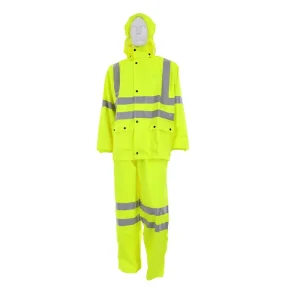
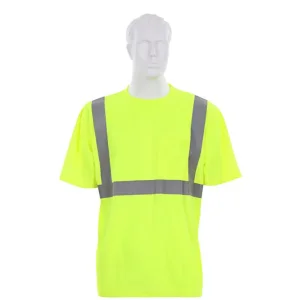
Explore our broader high-visibility safety product lines available for global OEM volume orders.
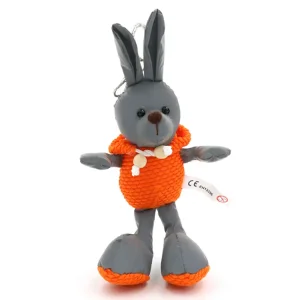
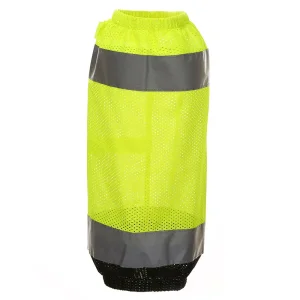
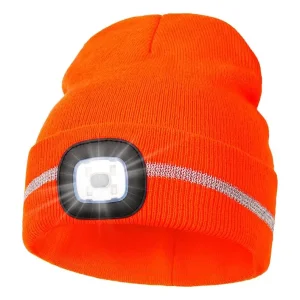
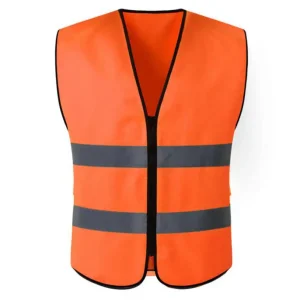
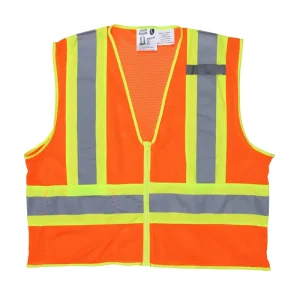
Expert answers regarding factory custom OEM ordering, certification compliance, logo printing limits, and quality control protocols.
Under ANSI/ISEA 107-2020 standards, Class 2 vests require a minimum of 775 square inches (0.50 m²) of fluorescent background fabric. If a large corporate logo is screen-printed across the back mesh panel, the ink covers the fluorescent surface area. Our factory engineering team calculates the net background square inches before production to ensure custom branding remains compliant without violating certified minimum area thresholds.
Standard factory wholesale MOQs start at 500 units per style for standard colors (Fluorescent Lime-Yellow and Orange-Red). Custom dye matching (PMS color matching) or specialized pocket designs typically require an MOQ of 1,000 to 2,000 units. Sample prototyping is completed in 3 to 5 working days using automated pattern CAD systems.
A 120 GSM 100% polyester warp-knit mesh is optimal for hot and humid conditions. It provides high tensile strength and air permeability while retaining the structural rigidity necessary to prevent retroreflective tapes from buckling during movement.
Sewing retroreflective tape onto open mesh can lead to thread tension gaps. Our factory utilizes double-needle lockstitching with reinforced backing scrim behind the mesh seams, or thermal bonding technology that fuses retroreflective tape directly onto the mesh matrix without compromising wash durability.
Yes. We supply Modacrylic/Cotton blend flame-resistant mesh vests compliant with NFPA 2112 and ASTM F1506 standards. FR mesh vests are recommended for utility workers, oil & gas refineries, and electrical arc flash environments where thermal protection and breathability are required simultaneously.
Every OEM bulk shipment includes comprehensive compliance packages: CE Certificate of Conformity, ANSI/ISEA 107 third-party test reports from accredited laboratories (SGS, TÜV, Intertek), Factory ISO 9001 Audit Certificates, and Bill of Lading documentation.