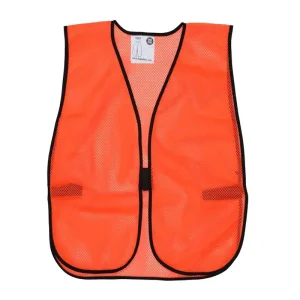
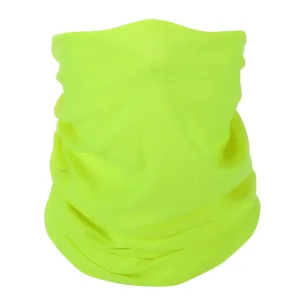
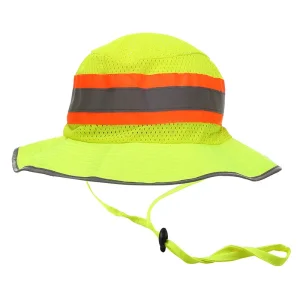
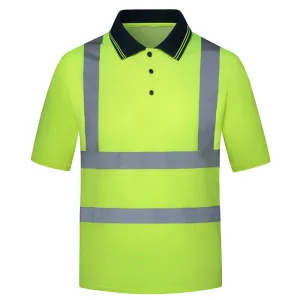
Certified high-visibility workwear engineered for rugged field conditions, high photometric performance, and international regulatory compliance.
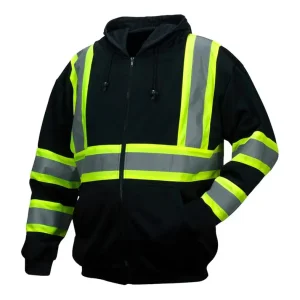
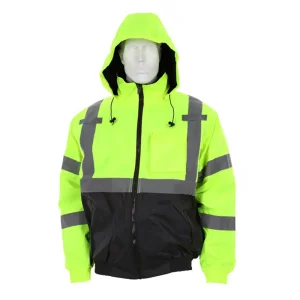
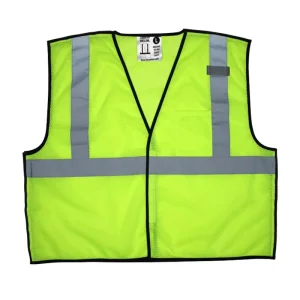
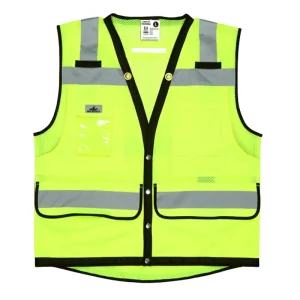
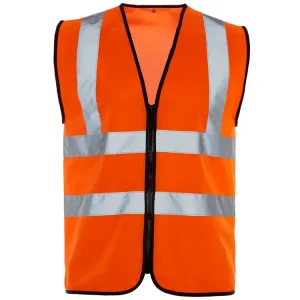
In modern occupational safety management, high-visibility (hi-vis) protective workwear has undergone a structural paradigm shift. The conventional paradigm of layering rigid, impermeable rain shells over bulky thermal sweaters has been rapidly superseded by engineered Soft Shell Safety Jackets. Integrating multi-layer composite textile engineering, windproof micro-porous Thermoplastic Polyurethane (TPU) membranes, and high-coefficient retroreflective photometric tapes, high-visibility softshell outerwear delivers unprecedented dynamic ergonomics, thermal regulation, and severe weather defense.
As global procurement managers, occupational health officers, and enterprise buyers navigate stringent safety compliance frameworks—such as ANSI/ISEA 107-2020 in North America and EN ISO 20471:2013+A1:2016 in Europe—partnering with an established, technically competent OEM manufacturer becomes a strategic imperative. Base OEM entity Yongkang Wow Safety Products Co., Ltd. (operating a 6,000 m² state-of-the-art manufacturing facility in Jinhua City, Zhejiang, China, powered by 150+ skilled technicians) represents the apex of China's advanced textile manufacturing capabilities, blending competitive cost structures with uncompromised international regulatory compliance.
Information Gain Paradigm: Unlike standardized 2-layer coated fabrics, industrial-grade 3-Layer (3L) Softshell textiles engineered by top Chinese factories incorporate a micro-porous TPU membrane sandwiched between a high-density Durable Water Repellent (DWR) treated mechanical stretch outer shell and an anti-pilling microfleece backing. This structural matrix achieves a hydrostatic head rating exceeding 8,000mm to 10,000mm H2O while sustaining a Moisture Vapor Transmission Rate (MVTR) above 3,000 to 5,000 g/m²/24h.
To understand why global enterprise buyers are shifting contract volume to specialized Chinese softshell factories, one must examine the internal composite architecture of professional high-visibility softshell apparel:
100% mechanical stretch polyester or polyester-spandex blend (75D/150D). Impregnated with C0 eco-friendly PFAS-free DWR coatings to shed surface moisture, oil, and liquid debris while resisting mechanical abrasion.
A monolithic or micro-porous Thermoplastic Polyurethane membrane. Keeps rain droplets (approx. 100 microns) out while letting sweat vapor molecules (approx. 0.0004 microns) vent freely during heavy physical exertion.
100% micro-polar fleece (140g/m² to 220g/m²) or bonded mesh. Traps insulating warm air pockets against the body while rapidly wicking moisture away to prevent cold chills during rest intervals.
Why do leading global B2B workwear brands, industrial safety distributors, and enterprise procurement buyers consistently select Chinese soft shell safety jacket manufacturers? The competitive advantage extends beyond simple unit-cost differentials; it lies in hyper-dense industrial cluster economies, vertical textile integration, advanced automation, and rapid OEM/ODM prototyping.
Located in Yongkang, Jinhua City—the industrial heartland of Zhejiang province—manufacturers like Yongkang Wow Safety Products Co., Ltd. benefit from immediate proximity to world-class synthetic textile weaving hubs (Shengze, Jiangsu and Shaoxing, Zhejiang), specialized glass-bead retroreflective film chemical plants, and automated hardware trim suppliers (zippers, snaps, drawcords). This localized ecosystem slashes raw material lead times by up to 60% compared to non-integrated overseas manufacturing regions.
| Evaluation Parameter | Direct China Factory (e.g., Wow Safety) | Third-Party Sourcing Intermediary | Regional Domestic Wholesaler |
|---|---|---|---|
| Landed Unit Cost Economics | Direct Factory Floor Pricing (Max Margin) | Intermediate markup (+20% to +35%) | Highest cost tier (+50% to +100%) |
| Technical Customization (OEM/ODM) | Full custom pattern making, custom TPU laminates, tailored pocket ergonomics | Restricted to standard catalog modifications | Extremely limited (only localized logo screen printing) |
| Regulatory Audit & Testing | Direct batch-level test certificates (SGS, TUV, SATRA) for ANSI & EN ISO | Secondary documentation; variable traceability | Third-hand compliance certificates |
| Fabric & Trim Traceability | Direct mill-to-factory inspection; batch-dyed fluorescent color control (Delta E < 0.8) | Partial visibility into raw material mills | No direct control over mill-level dyeing or lamination |
| Production Capacity & Agility | 6,000m² facility; 150+ tailors; flexible monthly output of 100,000+ units | Constrained by subcontractor queue priority | Dependent on supplier stock inventory level |
Operating in international B2B markets demands flawless adherence to regional health and safety mandates. A softshell jacket sold in North America must comply with different design parameters than one deployed on a European rail network or an Australian mining site. Reliable Chinese manufacturers build localized regulatory parameters directly into their CAD garment pattern designs.
Mandates specific background fluorescent material surface area (Class 2: ≥ 775 sq in; Class 3: ≥ 1,240 sq in) and retroreflective material area (Class 2: ≥ 201 sq in; Class 3: ≥ 310 sq in). Class 3 softshell jackets require full 360° torso coverage plus continuous reflective banding around the sleeves to outline the human form in motion.
Enforces strict chromaticity coordinates (x, y) and luminance factor (β) for Fluorescent Yellow, Fluorescent Orange-Red, and Fluorescent Red both before and after harsh Xenon light exposure and industrial wash cycles. Softshell jackets certified under Class 3 must integrate minimum 0.80 m² of fluorescent base cloth and 0.20 m² of Class 2 retroreflective tape.
Requires Class D/N (Day/Night) rating. Softshell jackets must incorporate UPF 50+ ultraviolet protection factors in the outer textile weave and feature specific "H-pattern" or "X-pattern" retroreflective tape configurations with additional lower torso tail coverage for outdoor sun and glare protection.
Top-tier Chinese factories utilize eco-certified raw materials free from harmful Azo dyes, heavy metals, phthalates, and Per- and polyfluoroalkyl substances (PFAS/PFOA). All textiles conform to REACH Regulation (EC) No 1907/2006 and OEKO-TEX Standard 100 guidelines.
The performance of a softshell safety jacket in low-light environments (night construction, fog, twilight highway maintenance) hinges on the retroreflective coefficient ($R_A$) of its reflective tapes. Yongkang Wow Safety Products integrates certified glass-bead or micro-prismatic tapes achieving initial retroreflectivity values exceeding 330 to 500 cd/(lx·m²), far outpacing the baseline standard of 250 cd/(lx·m²). These reflective strips retain over 80% of their photometric performance even after 25 to 50 home wash cycles at 60°C.
Enterprise procurement professionals managing corporate safety uniforms for multi-thousand-employee workforces demand more than standard catalog items. They require customized functional features engineered for specific work environments. Experienced Chinese soft shell safety jacket suppliers provide extensive Original Equipment Manufacturing (OEM) and Original Design Manufacturing (ODM) programs.
Soft shell safety jackets are versatile high-visibility solutions deployed across diverse, demanding industrial sectors worldwide:
For road construction crews operating near high-speed vehicular traffic. Class 3 softshell jackets provide max visual contrast against asphalt and foliage under headlamp illumination.
Engineered windproof TPU membranes (0 CFM wind permeability) protect technicians working at extreme heights on wind turbine nacelles or exposed marine docks.
Combines thermal warmth with high mobility for forklift operators and logistics personnel transitioning between refrigerated units and outdoor loading docks.
The hi-vis workwear industry is undergoing technological innovations focused on environmental sustainability and digital integration:
Expert answers regarding technical specs, custom OEM ordering, certification transfer, and supply chain logistics.
Standard custom OEM production runs typically start at 500 to 1,000 units per colorway/style. However, for established distributors or enterprise clients testing market expansion, sample prototyping and flexible trial batches can be arranged.
Softshell jackets offer superior breathability, dynamic 4-way stretch flexibility, and athletic movement with zero fabric noise. Traditional raincoats excel in torrential rain but lack breathability during active work, whereas 3-layer bonded softshells strike the ideal balance for 85% of cold-weather work environments.
Yes. Certified CAD technicians position direct embroidery or heat-transfer logos strictly within designated non-certified zones (such as small chest areas or sleeves) or ensure that background fluorescent area dimensions remain well above the mandatory minimum thresholds.
Every production batch includes full material test reports covering retroreflective tape intensity ($R_A$), background fabric color fastness, tear/tensile strength, hydrostatic waterproof pressure, and MVTR breathability ratings certified by independent laboratories like SGS, TÜV, or SATRA.
Customized OEM tech-pack samples are completed within 7 to 10 business days. Mass production lead times generally range between 30 and 45 days after sample approval and deposit confirmation, depending on order complexity.
We utilize spectrophotometer color matching technology to ensure all fluorescent yellow and fluorescent orange-red dye lots maintain strict compliance within Delta E < 0.8 under D65 standard illuminant conditions.
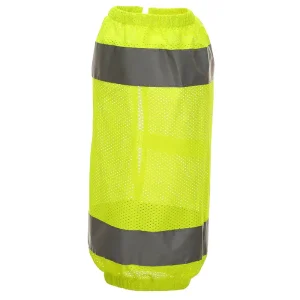
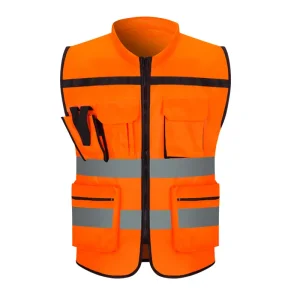
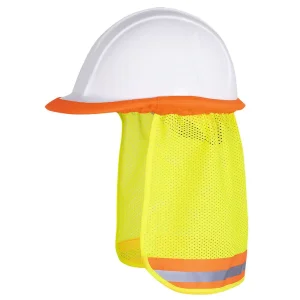
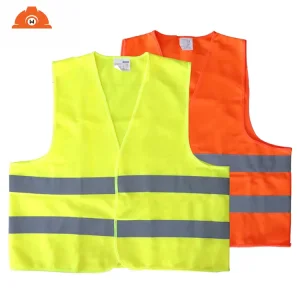
Explore our broader high-visibility product line, including specialized mesh vests, neck gaiters, safety hats, and reflective gear.