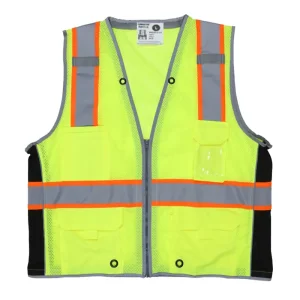
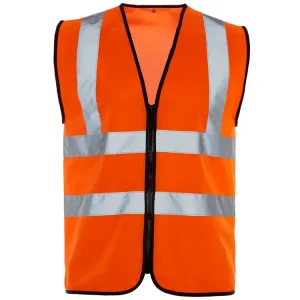
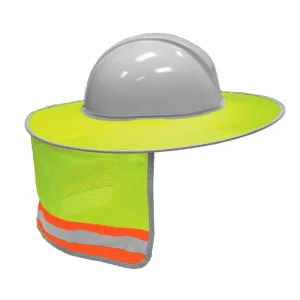
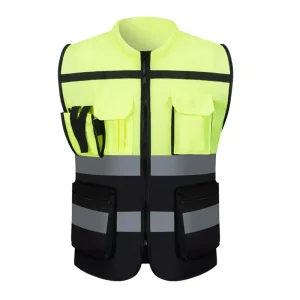
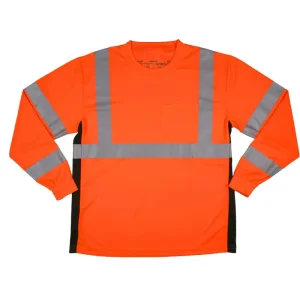
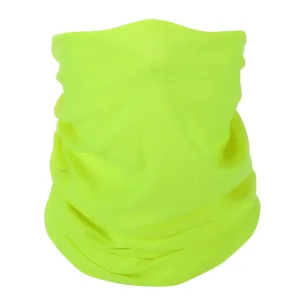
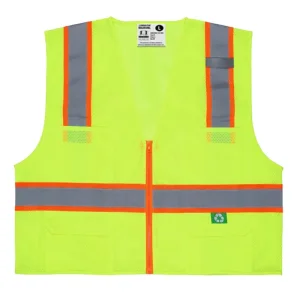
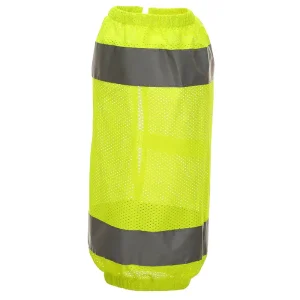
Explore our core manufacturing line of industrial-grade reflective shirts, vests, and protective gear engineered for maximum daytime luminance and nighttime retroreflectivity.
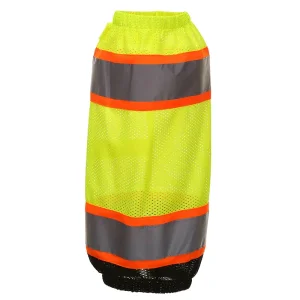
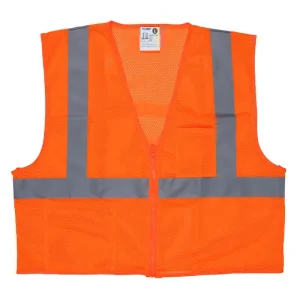
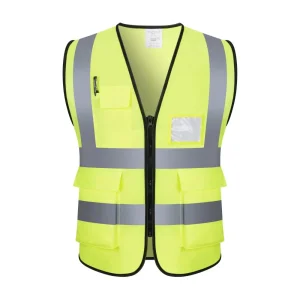
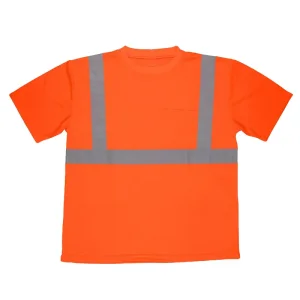
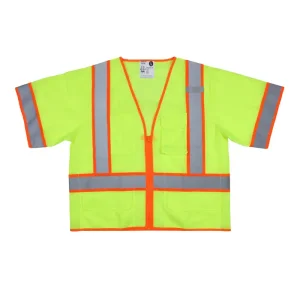
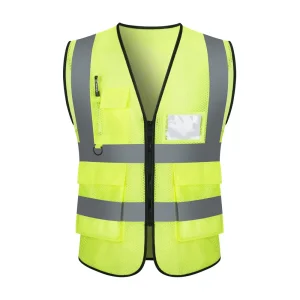
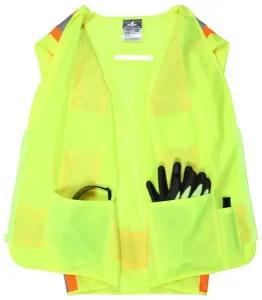
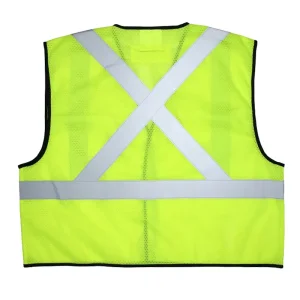
In the global landscape of Occupational Health and Safety (OHS) apparel, China has consolidated its position not merely as a high-volume assembly hub, but as the world's most vertically integrated innovation cluster for High-Visibility (Hi-Vis) protective clothing. For international buyers, enterprise distributors, and safety equipment OEMs, understanding the structural advantages of Chinese manufacturing is key to optimizing supply chain resilience, cost efficiency, and technical compliance.
The concentration of textile engineering infrastructure in regions such as Zhejiang Province (specifically Yongkang and Jinhua) creates unmatched synergistic value. Unlike fragmented supply chains where fabric knitting, fluorescent pigment dyeing, retroreflective tape lamination, and garment assembly occur in isolated geographies, Chinese industrial clusters execute these operations within streamlined regional ecosystems.
Chinese factories leverage direct access to raw polyester polymer synthesis, high-gauge knitting machinery (such as Karl Mayer warp knitting systems), and specialized dye houses. This verticality minimizes lead times by 35% compared to Southeast Asian alternatives that rely heavily on imported greige goods.
Modern Chinese factories deploy computerized LECTRA and GERBER multi-layer automatic cutting systems. These high-precision technologies optimize fabric yields by up to 92%, drastically reducing material wastage while ensuring sub-millimeter accuracy for complex multi-panel safety shirt designs.
Leading manufacturers operate under strict ISO 9001 quality management systems. In-house testing facilities perform batch-level spectrophotometric colorimetry, tensile tear strength validation, and retroreflective coefficient ($R_A$) measurements prior to export dispatch.
The engineering of a high-performance reflective hi-vis shirt requires balancing two opposing physical demands: achieving maximum daylight optical luminance alongside nighttime retroreflectivity, while providing wearers with microclimate thermal comfort and moisture regulation.
Selecting the correct fabric substrate depends heavily on the end-user's operational environment, seasonal conditions, and laundering protocols:
| Fabric Type | Weight (GSM) | Composition | Key Technical Benefits | Primary Target Applications |
|---|---|---|---|---|
| Birdseye Knit Mesh | 130 - 160 GSM | 100% Polyester | Maximum air permeability, rapid moisture wicking, lightweight, non-chafing texture. | High-heat outdoor construction, summer road maintenance, logistics. |
| Micro-Interlock Soft Touch | 140 - 180 GSM | 100% Polyester | Smooth hand-feel, enhanced pill resistance, excellent substrate for sublimated logo printing. | Corporate high-vis uniforms, surveyor polo shirts, facility inspection. |
| Cotton-Rich Safety Interlock | 180 - 220 GSM | 55% Cotton / 45% Poly | Natural skin contact comfort, superior anti-static behavior, breathability. | Mining operations, heavy machinery manufacturing, sensitive skin environments. |
| Flame-Retardant (FR) Blend | 190 - 240 GSM | 93% Nomex / 5% Kevlar / 2% P140 | Permanent inherent flame resistance, arc flash protection (ATPV Cat 2), zero melt-drip. | Petrochemical plants, oil & gas refining, electrical utility operations. |
Retroreflectivity is achieved when light rays striking a surface are reflected directly back toward their original source (such as vehicle headlights). China's leading safety shirt factories utilize two primary optical technologies:
Consists of microscopic spherical glass beads embedded in a durable synthetic resin matrix. Light entering the bead is focused at its rear mirrored surface and reflected back. Micro-glass bead tape offers excellent flexibility, soft hand-feel, and economical pricing for standard ANSI Class 2 and Class 3 garments.
Rather than stitching rigid continuous bands, segmented retroreflective film is thermally bonded to the fabric in micro-patterned stripes. This enhances garment stretchability by up to 30%, eliminates heat trapping beneath the tape, and prevents seam cracking after repeated industrial wash cycles.
Compliance with international high-visibility safety standards is a strict prerequisite for importing reflective shirts into North American, European, and Australasian markets. Qualified Chinese manufacturers engineer garments from the fiber level up to meet or exceed these rigorous specifications.
Governs safety apparel in North America. Defines garments by Occupational Type (Type R for Roadway, Type O for Off-Road, Type P for Public Safety) and Class (Class 1, Class 2, Class 3):
The harmonized European benchmark for high-visibility professional workwear. Classifies performance into three distinct tiers based on surface area calculation:
Specifies garment design requirements for high-risk applications across Oceania. Focuses heavily on daylight visibility and severe solar UV radiation exposure:
The global personal protective equipment market is undergoing a rapid transition toward eco-friendly materials, smart wearable technology, and enhanced ergonomic architecture. Forward-thinking Chinese factories are leading this shift through heavy investment in green textile processing and dynamic functional finishes.
Global enterprise brands are demanding carbon-neutral supply chains. Top Chinese suppliers now produce ANSI-certified hi-vis shirts constructed from 100% Recycled Polyethylene Terephthalate (rPET) derived from post-consumer plastic water bottles, reducing energy consumption by 45% and greenhouse gas emissions by 30% per garment.
Long work shifts in hot environments cause bacterial proliferation in synthetic fabrics. Next-generation hi-vis shirts integrate non-leaching silane quaternary ammonium or silver-ion anti-microbial treatments that inhibit odor-causing bacteria for up to 50 industrial washes.
Bridging the gap between passive retroreflection and active illumination, hybrid safety shirts incorporate flexible, lightweight Electroluminescent (EL) or micro-LED strips powered by rechargeable lithium polymer battery packs, providing visibility even in zero-light conditions without vehicle headlamp illumination.
High-visibility reflective shirts are not one-size-fits-all products. Different industrial environments require specialized functional modifications, pocket configurations, and specialized fabric treatments to maximize worker efficiency and protection.
Requires ANSI Class 3 long-sleeve shirts equipped with 360° 2-inch wide retroreflective tape on arms and torso. High-density polyester Birdseye mesh prevents heat exhaustion during summer paving operations while maintaining high color intensity.
Focuses on lightweight ANSI Class 2 short-sleeve crew neck or polo shirts with segmented heat-transfer tape. Incorporates reinforced chest mic-tabs, dual pencil slots, and anti-snag knit constructions for working around conveyor belts.
Garments feature heavy-duty radio loops, clear vinyl ID badge holders, and anti-static carbon fiber grid stitching (EN 1149-5) to prevent spark discharges near aviation fuel zones. Zero loose trim designs prevent Foreign Object Debris (FOD) hazards.
To ensure seamless bulk purchasing from Chinese manufacturers, global procurement directors should implement a structured quality management standard operating procedure (SOP). This framework guarantees product consistency, brand accuracy, and regulatory compliance.
Define exact GSM, fabric weave, Pantone/RAL fluorescent color codes, retroreflective tape spec ($R_A$ rating), size grading charts, and custom label placement.
Factory dye houses produce lab dip swatches evaluated under Datacolor spectrophotometers to verify $\Delta E < 1.0$ color tolerance against standard illuminants (D65).
Physical sample validation including wash durability testing (ISO 6330 at 60°C for 25 to 50 cycles) to ensure retroreflective tape adhesion and dimensional stability.
Third-party or in-house quality controllers perform pre-shipment inspections following ISO 2859-1 (AQL 2.5 Normal Level II) for stitching, sizing, and packaging.
Expert answers to common technical, regulatory, and logistics queries from commercial buyers and safety apparel distributors.
Discover our comprehensive collection of complementary protective apparel, surveyor vests, neck gaiters, and sun protection gear manufactured to rigorous international standards.