High-performance reflective safety garments engineered to meet rigorous international PPE standards while providing optimal surfaces for customized corporate logo printing.
An authoritative evaluation of raw material physics, retroreflective photometrics, corporate branding compliance, and direct factory procurement strategies.
In the global personal protective equipment (PPE) sector, high-visibility (hi-vis) logo shirts represent a vital intersection of compliance engineering, human ergonomics, and corporate brand representation. A custom-branded hi-vis shirt is far more than a standard workwear garment with a silk-screened emblem; it is a meticulously calibrated safety device subject to global statutory frameworks such as ANSI/ISEA 107-2020 in North America, EN ISO 20471:2013+A1:2016 across Europe, and AS/NZS 1906.4:2010 in Australia and New Zealand.
When enterprise procurement managers, international distributors, and safety compliance directors search for reliable China Hi Vis Logo Shirts Manufacturers & Supplier partners, their primary objective is balancing regulatory conformity with supply chain agility, cost efficiency, and durable brand execution. Integrating custom corporate logos—whether on short-sleeve polo shirts, moisture-wicking long-sleeve T-shirts, or heavy-duty safety sweatshirts—requires technical awareness of how ink coverage, patch thickness, and placement affect the minimum required surface area of background fluorescent fabric and retroreflective tape.
High-visibility fabrics convert invisible ultraviolet radiation into visible light wavelength via specialized dyes (Fluorescent Yellow-Green x>0.310, Fluorescent Orange-Red x>0.535). Our fabrics deliver superior photopic luminance factors (β > 0.70 for yellow, β > 0.40 for orange).
Utilizing high-coefficient glass bead or micro-prismatic retroreflective structures, our tape returns headlamp light directly back to vehicle operators, achieving reflectance values exceeding 330 to 500 cd/(lx·m²) under 5° entrance angle and 0.2° observation angle.
Improper logo sizing can obscure essential fluorescent background fabric, voiding certification. We calculate non-compliant surface area deductions to guarantee Class 2 and Class 3 threshold compliance remains intact after logo application.
Analyzing the industrial ecosystems, raw material integration, and scalable output capabilities of Yongkang, Zhejiang safety apparel clusters.
The global dominance of China’s high-visibility apparel manufacturing sector is rooted in unmatched vertical integration. In regions like Jinhua and Yongkang within Zhejiang Province, safety clothing factories operate within immediate physical proximity to synthetic yarn spinners, specialized dye houses, retroreflective film manufacturers, and automated garment assembly hubs. This geographic clustering eliminates supply chain latency and drastically reduces raw material transit costs.
Modern high-visibility shirts demand sophisticated textile construction to ensure worker comfort in extreme environmental conditions. Leading China suppliers utilize advanced polyester bird's-eye mesh, 100% spun interlock polyester, and hybrid bamboo-polyester blends engineered with hydrophilic finishes. These micro-porous knits wick perspiration away from the skin via capillary action, accelerating moisture evaporation and maintaining skin thermal regulation during grueling 12-hour shifts on highway construction sites or inside hot distribution centers.
In response to global corporate ESG (Environmental, Social, and Governance) mandates, premier China manufacturers have integrated Global Recycled Standard (GRS) certified post-consumer recycled polyester into hi-vis shirt production lines. Derived from post-industrial PET bottles, rPET hi-vis shirts deliver identical color fastness, tear strength, and fluorescent chromaticity compared to virgin polyester, while reducing carbon footprint by up to 32% per garment produced.
Direct sourcing from specialized OEM/ODM factories in Yongkang, China eliminates multi-tier middleman markups, reducing unit costs by 25% to 45% without compromising technical standards. Furthermore, in-house laboratory testing equipped with spectrophotometers, hydrostatic pressure testers, and industrial laundering validation machines guarantees that every batch meets buyer specifications before leaving the factory floor.
Evaluating durability, breathability, reflective performance, and wash-cycle degradation across custom logo application technologies.
| Logo Printing Technique | Ideal Fabric Compatibility | Wash Durability (Cycles) | Breathability Impact | Reflective Integration | Optimal Order Volume |
|---|---|---|---|---|---|
| Screen Printing (Plastisol/Water-Based) | 100% Polyester Mesh, Bird's-Eye Knit | 25 - 50 Home Washes | Moderate (Solid ink blocks pores) | Optional (Glass bead mix) | Bulk Orders (> 500 pcs) |
| Sublimation Printing | 100% White/Light Yellow Polyester | 50+ (Permanent Dyestuff) | 100% Retained (Zero feel) | Non-reflective base | Medium to Bulk (> 100 pcs) |
| Direct-to-Film (DTF) Transfer | Polyester, Cotton Blends, Softshell | 30 - 40 Home Washes | Low at print zone | Can overlay on reflective | Small to Medium (> 50 pcs) |
| Segmented Reflective Vinyl Heat Transfer | Polo Shirts, Breathable T-Shirts | 50+ Industrial Washes | High (Gaps allow stretch & airflow) | Class 2 / ANSI Compliant | All Quantities |
| Direct Embroidery / Woven Patches | Heavy Sweatshirts, Fleece, Jackets | 50+ (High Abrasion Resistance) | Local restriction | Metallic / Silver threads | Medium to High |
Applying corporate insignia to high-visibility safety shirts requires precise geometric placement to preserve standard compliance. Under EN ISO 20471 Class 2 standards, a minimum of 0.50 m² of background fluorescent material and 0.13 m² of retroreflective tape must remain unobstructed around the torso. Placing large, opaque screen-printed logos across the chest or upper back reduces the visible fluorescent area. Professional manufacturers perform digital area calculations prior to production, ensuring that chest pockets, back panels, and sleeve logo prints never breach certified thresholds.
Furthermore, for workers operating in high-heat or physically demanding environments, Segmented Reflective Heat Transfer Logos provide a distinct ergonomic advantage. Unlike continuous solid vinyl transfer strips, segmented designs feature laser-cut gaps that flex with the garment’s natural stretch, permitting heat accumulation to dissipate while maintaining retroreflective visibility from all angles.
Navigating regional safety norms to ensure imported custom logo shirts pass customs inspection and third-party safety audits.
Categorizes garments into Performance Classes (Class 1, Class 2, Class 3) and Use Types: Type R (Roadway), Type P (Public Safety), and Type O (Off-Roadway). Custom logo placement on Type R Class 2 shirts must maintain 775 sq inches of background fabric and 201 sq inches of reflective material.
Mandates strict chromaticity coordinates and luminance factors after wash tests. Class 2 requires ≥0.50m² fluorescent material. UK Railway standard RIS-3279-TOM dictates specific high-visibility orange dye formulas for trackside workers, compatible with dark contrasting logo prints.
Specifies Class D (Day use only), Class N (Night use with reflective tape), and Class D/N (Day/Night). UPF rating (UPF 30+ or UPF 50+) is critical due to intense solar ultraviolet radiation in the region, requiring tightly knitted UV-blocking polyester fabrics.
A frequent challenge with low-tier safety shirts is rapid color fading and reflective tape peeling after repeated commercial laundering. Top-tier China manufacturers utilize disperse dyeing processes for polyester fibers, achieving Grade 4-5 color fastness against washing (ISO 105-C06) and light exposure (ISO 105-B02). Reflective heat-applied films undergo ISO 15797 industrial laundering evaluations, confirming that retroreflectivity remains above 100 cd/(lx·m²) even after 50 intensive thermal washing cycles at 60°C.
Tailoring high-visibility logo shirts to specific operational environments and occupational hazards.
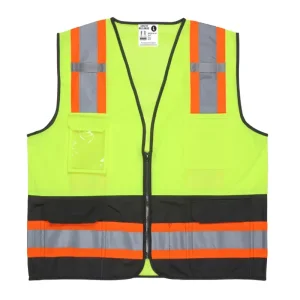
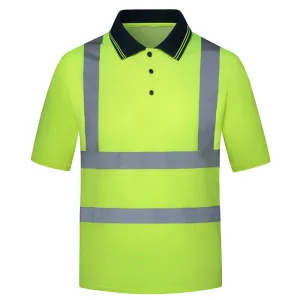
Dark navy or black bottom panels conceal dirt, grease, and soil in high-contact areas, while bright fluorescent yellow upper sections maintain Class 2 compliance. Custom company logos printed on left chest pockets and center back.
Designed for high-activity indoor fulfillment centers. 120 GSM bird's-eye mesh fabric delivers maximum ventilation. Sublimated company logos ensure zero stiff printing areas for unrestricted worker movement.
Full-length sleeve coverage featuring 360-degree retroreflective striping around arms and torso. Screen-printed reflective logos on the back provide extra distance identification for high-speed motorists.
Constructed from inherently flame-resistant modacrylic/cotton blends complying with NFPA 2112 and ASTM F1506. Logos applied exclusively via certified FR heat transfers or FR embroidery threads.
A step-by-step framework to ensure seamless factory auditing, pre-production sampling, and AQL quality inspection.
Before issuing a Purchase Order (PO) for custom hi-vis logo shirts, buyers should audit the supplier's manufacturing facilities. Reputable manufacturers such as Yongkang Wow Safety Products Co., Ltd. hold international certifications including ISO 9001 (Quality Management), BSCI (Business Social Compliance Initiative), and OEKO-TEX Standard 100 for eco-friendly textile safety. Verify that test certificates for fluorescent fabrics and reflective tapes are issued by accredited labs such as SGS, TÜV Rheinland, or SATRA.
Ensure your supplier generates 2D/3D digital tech packs showing exact vector logo dimensions, PMS color matching (Pantone Matching System), stitching density, and seam placements. Pre-production physical samples must undergo spectrophotometer color testing to confirm fluorescent chromaticity coordinates remain compliant post-printing.
Implement standard ISO 2859-1 (ANSI/ASQ Z1.4) sampling during final inline and pre-shipment inspections. Key inspection criteria include:
Addressing key procurement queries regarding compliance, lead times, minimum order quantities (MOQ), and logo techniques.
It can if the logo covers too much fluorescent background fabric. ANSI/ISEA 107-2020 and EN ISO 20471 mandate specific minimum surface areas for fluorescent yellow or orange materials (e.g., 0.50 m² for Class 2). If an opaque screen-printed logo reduces the remaining visible fluorescent fabric below this threshold, the garment loses certified status. Experienced China manufacturers like Wow Safety calculate non-compliant print surface areas prior to production to guarantee full standard compliance.
For standard stock fabric colors (Fluorescent Yellow-Green and Fluorescent Orange-Red), MOQs typically range from 200 to 500 pieces per design, inclusive of custom logo printing. If custom fabric dyeing (such as specific pantone two-tone body fabrics) or specialized FR modacrylic blends are required, MOQs generally start at 1,000 to 2,000 pieces due to textile mill dyeing batch constraints.
Sublimation printing or segmented reflective heat transfer film are optimal for warm climates. Sublimation dyes the polyester fibers directly without creating a rubbery layer, retaining 100% of the fabric's original breathability and moisture-wicking properties. Segmented reflective logos feature micro-gaps that flex with body movement and permit sweat dissipation, unlike thick plastisol ink blocks.
Standard production timelines following pre-production sample (PPS) approval range from 15 to 25 calendar days for order volumes between 1,000 and 10,000 units. Express sample development takes 3 to 7 working days. Freight transit times depend on destination: 12-18 days via sea to West Coast US, 25-30 days to Europe, or 3-5 days via global express air freight.
Suppliers use high-fixation disperse dyes for polyester background fabrics combined with cross-linking curing agents in logo printing inks. Fabrics undergo pre-washing color fastness testing under ISO 105-C06 standards. When applying dark logos onto bright yellow background shirts, thermo-stable barrier transfer films are utilized to prevent dye migration (sublimation bleed) during heat pressing.
Yes, dual-element printing is highly popular. Companies often place a full-color corporate logo on the front left chest pocket (using DTF or silkscreen printing) and a enlarged reflective retroreflective logo or text banner across the upper back to enhance night-time operator identification.
Discover our extended line of ANSI & EN ISO compliant reflective equipment, protective vests, headwear, and accessories available for wholesale export.
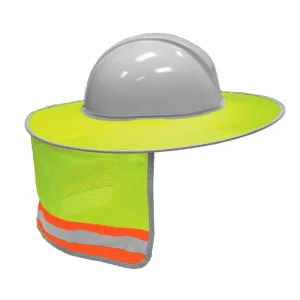
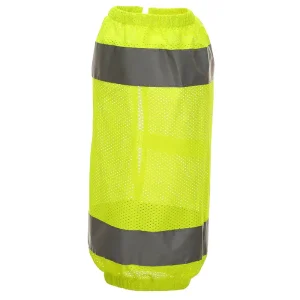
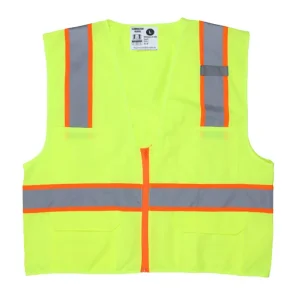
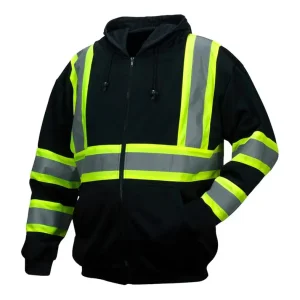
Whether you require high-volume OEM manufacturing for nationwide construction fleets or specialized custom logo hi-vis polo shirts for regional utility crews, Yongkang Wow Safety Products Co., Ltd. delivers certified protection, competitive factory-direct pricing, and uncompromised quality assurance.