Nordic Safety Standard & Engineering Whitepaper

Hi-Vis Beanie Factory & Factories in Sweden

Technical Analysis of Cold-Climate High-Visibility Headwear Manufacturing, EN ISO 20471 Compliance, Sub-Zero Photometric Performance, and Strategic B2B Supply Chain Engineering for Swedish Heavy Industries.

Featured Cold-Climate PPE

Sweden-Spec Premium Hi-Vis Beanie & Thermal Gear Solutions

Engineered for extreme sub-zero conditions, polar darkness visibility, and compliance with Nordic work safety directives.
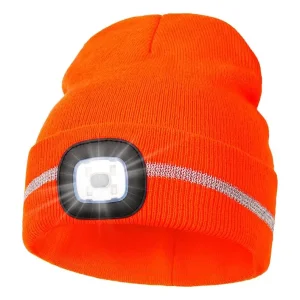
Nordic-Spec Hi-Viz Beanie with 360° Reflective Stripe & Integrated Rechargeable LED Headlamp

Nordic-Spec Hi-Viz Beanie with 360° Reflective Stripe & Integrated Rechargeable LED Headlamp

View Product Specs
Arctic-Grade USB Rechargeable 4-LED Thermal Headlamp Cap for Swedish Outdoor & Mining Operations

Arctic-Grade USB Rechargeable 4-LED Thermal Headlamp Cap for Swedish Outdoor & Mining Operations

View Product Specs
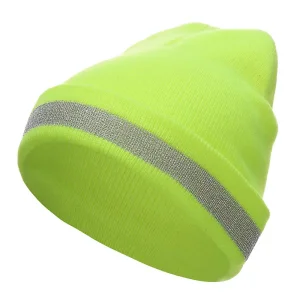
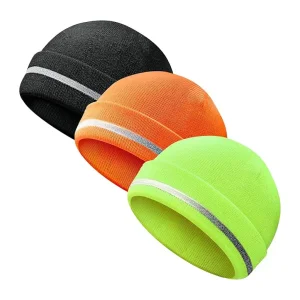
Hi-Vis Fluorescent Yellow/Green Knit Winter Beanie with Dual Silver Reflective Ribbing

Hi-Vis Fluorescent Yellow/Green Knit Winter Beanie with Dual Silver Reflective Ribbing

View Product Specs
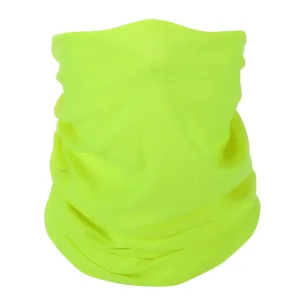
Sweden Extreme Cold Thermal Neck Gaiter & Fluorescent Thermal Safety Headwear Gear

Sweden Extreme Cold Thermal Neck Gaiter & Fluorescent Thermal Safety Headwear Gear

View Product Specs
330+
cd/lx/m² Retroreflectivity
-40°C
Arctic Flex Resistance
50+
Industrial Wash Lifespan
100%
EN ISO 20471 Audit Ready

1. Macro Landscape: Swedish Industrial Demand for Hi-Vis Safety Beanies

Sweden represents one of the most demanding markets globally for personal protective equipment (PPE), specifically regarding cold-climate high-visibility headwear. The Swedish industrial ecosystem—spanning heavy iron ore mining in Kiruna and Gällivare, extensive wind-energy infrastructure installations in Norrland, year-round maritime port operations in Gothenburg, and massive civil engineering builds under the Sverigeförhandlingen infrastructure initiative—operates under environmental extremes that strain standard protective wear.

During the Scandinavian polar winter, regions above the Arctic Circle experience up to 24 hours of darkness per day, while southern cities like Stockholm and Malmö encounter drastically reduced daylight hours combined with heavy precipitation, ice fog, and ambient temperatures dropping well below -20°C. Under the stringent regulatory oversight of the Swedish Work Environment Authority (Arbetsmiljöverket) and European Council Directives (EU) 2016/425, employers are legally obligated to provide personnel with high-visibility apparel that guarantees thermal insulation without compromising optical luminance or ergonomic safety.

"In the Swedish industrial safety sector, a Hi-Vis Beanie is not merely an accessory; it is a critical life-safety component engineered to maintain chromaticity standards at -30°C while providing secondary active lumen emission during polar twilight conditions."

While local Swedish PPE distributors excel at design, distribution, and client relationships, the physical manufacturing of specialized Hi-Vis beanies relies heavily on advanced OEM/ODM factories. Modern high-visibility beanie factories in Asia—specifically certified facilities equipped with WHO/GRS/OEKO-TEX credentials—serve as the primary production engine for Swedish and broader Nordic safety brands. This whitepaper evaluates the technical engineering, compliance standards, manufacturing processes, and sourcing strategies required to engineer Hi-Vis safety beanies capable of thriving in Sweden's challenging operational climate.

2. Technical Engineering & Material Science of Sub-Zero Hi-Vis Headwear

To meet the operational requirements of Swedish end-users, a Hi-Vis beanie must balance three competing physical properties: thermal resistance (TOG value), fluorescent luminance (daytime visibility), and retroreflectivity coefficient (nighttime visibility).

2.1 Yarn Selection & Micro-Thermal Construction

Standard commercial acrylic beanies fail prematurely in Arctic construction zones due to fiber embrittlement and low thermal retention under damp conditions. Advanced Hi-Vis beanie factories servicing Sweden employ a dual-layer engineered textile architecture:

  • Outer Shell: High-density 100% solution-dyed fluorescent Acrylic or REPREVE® Recycled Polyester fibers. Solution-dyeing ensures that fluorescent pigments are integrated into the polymer matrix prior to extrusion, offering superior lightfastness (Grade 6-7 on the ISO 105-B02 scale) against UV degradation during snow reflection.
  • Inner Thermal Lining: 3M™ Thinsulate™ Flex Insulation (40g to 100g) or micro-polar fleece with hydrophobic properties. This inner barrier traps warm air pockets while actively wicking perspiration away from the wearer's scalp during strenuous labor, preventing hypothermia caused by moisture accumulation.

2.2 Photometric Chromaticity & Fluorescent Pigmentation

Under EN ISO 20471 and EN 17353 (Type B3), high-visibility yellow and orange fabrics must fall strictly within defined chromaticity coordinates $(x,y)$ on the CIE 1532 colorimetric triangle after exposure to industrial laundering and extreme cold. Standard factories often struggle with color fading when combining fluorescent dyes with cold-resistant thermal treatments.

Performance Indicator Standard Commercial Beanie Nordic Industrial-Grade Hi-Vis Beanie Testing Standard
Luminance Factor ($\beta$) < 0.40 (Sub-standard) ≥ 0.70 (Fluorescent Safety Yellow) EN ISO 20471 / CIE 15.2
Retroreflective Coefficient ($R'$) 50 - 100 cd/(lx·m²) ≥ 330 - 500 cd/(lx·m²) EN ISO 20471 Class 2 Strip
Cold Flex Endurance Cracks at -10°C No cracking at -40°C (10,000 cycles) ISO 4675 Arctic Test
Thermal Insulation Rating 1.0 - 1.5 TOG 3.2 - 4.5 TOG (Thinsulate Laminated) BS 4745 / ISO 11092
Active Illumination (LED) Non-compliant / Unrated IP67 Waterproof, Cold-Cell Li-Po Battery CE / IEC 60529 Standard

2.3 Integration of Retroreflective Yarn vs. Segmented Transfer Films

Achieving 360-degree night visibility on a flexible knit beanie requires specialized material application. Factories utilize two primary methods:

  1. Interwoven Retroreflective Yarns: Glass-bead retroreflective threads (0.5mm to 1.0mm diameter) twisted directly into the acrylic knit pattern. This provides multidirectional light return and high stretch elasticity without restricting head contour fit.
  2. Segmented Heat-Transfer Films: High-performance glass-bead retroreflective films heat-sealed onto a ribbed cuff. The segmented design allows the knit fabric to expand without cracking or delaminating the reflective surface.

2.4 Active Illumination Technology: Rechargeable LED Modules

In polar darkness, passive reflection requires an external ambient light source (e.g., vehicle headlights). When a worker is positioned behind heavy equipment or inside unlit mining shafts, active lumen emission becomes vital. Modern Hi-Vis beanie factories integrate ultra-lightweight, USB-rechargeable 4-LED or SMD light modules into the beanie brim. These modules deliver 120+ lumens of illumination with battery chemistry optimized for linear discharge curves even at sub-zero temperatures.

Polar Night Luminescence

Dual-action passive retroreflectivity combined with active 6000K daylight-white LED beams to ensure worker identification up to 250 meters away in dense blizzard conditions.

Zero Delamination Guarantee

Proprietary high-frequency ultrasonic bonding processes prevent reflective tape lifting or peeling after repetitive exposure to industrial laundering cycles and frozen slush.

Arbetsmiljöverket Compliant

Full technical dossiers provided with every production lot, including ISO 17025 accredited laboratory test reports for color fastness, tear strength, and non-toxicity.

3. Regulatory & Compliance Framework for Sourcing Hi-Vis Beanies in Sweden

Importers, wholesalers, and safety distributors supplying the Swedish commercial market must navigate complex European Union standards. Selling non-compliant headwear exposes distributors to severe liabilities under Swedish product safety laws (Produktsäkerhetslagen 2004:451).

3.1 Relevant European Harmonized Standards

  • EN ISO 20471:2013+A1:2016 (High Visibility Clothing): While headwear alone generally cannot meet Class 2 or Class 3 surface area requirements due to its limited total square meters, Hi-Vis beanies are audited as accessory safety wear under Class 1 ensemble rules or certified under EN 17353:2020.
  • EN 17353:2020 (Enhanced Visibility Equipment for Medium Risk): This framework covers headwear designed for environments where workers need to be seen, but risk assessments do not mandate strict EN ISO 20471 full-body ensembles. Type B3 (nighttime use with retroreflective elements) and Type AB3 (day and night protection) are standard for high-visibility beanies.
  • EN 342:2017 (Ensembles and Garments for Protection Against Cold): Evaluates thermal insulation values ($I_{cler}$) and air permeability. Hi-Vis beanies supplied to Swedish forestry or rail crews must demonstrate zero air infiltration under high wind velocities.
  • REACH Regulation (EC) No 1907/2006: Guarantees that dyes, reflective coatings, and plastic LED housings contain zero restricted substances, including AZO colorants, phthalates, heavy metals, or SVHCs (Substances of Very High Concern).

3.2 Quality Control & Factory Audit Requirements

A capable Hi-Vis beanie factory servicing Swedish enterprises must maintain a robust Quality Management System (QMS). Premium manufacturing partners operate under ISO 9001:2015 and possess BSCI (Business Social Compliance Initiative) or SEDEX SMETA social audit certifications to satisfy the ethical sourcing requirements of Swedish public sector tenders.

Looking to Custom-Manufacture EN ISO Compliant Hi-Vis Beanies for Nordic Buyers?

Direct factory-to-brand OEM/ODM manufacturing with customized reflective strip layouts, private labeling, and complete CE compliance certification support.

Send Inquiry Now

4. Global B2B Sourcing Strategies & Supply Chain Engineering

Procurement directors managing safety fleets across Scandinavia face severe challenges regarding lead-time predictability, raw material cost fluctuations, and batch consistency. Building a resilient supply chain between Chinese manufacturing hubs (such as Yongkang and Jinhua, Zhejiang) and Swedish logistics networks in Gothenburg or Örebro requires systematic quality checkpoints.

4.1 The OEM/ODM Customization Workflow

Swedish safety brands often require custom Jacquard knit logos, specialized color combinations (e.g., Hi-Vis Yellow matched with Navy Blue lower ribs for dirt concealment), and bespoke branding labels. The ideal manufacturing partner offers an integrated OEM workflow:

Step 1: Spectrophotometric Fiber Dyeing

Masterbatches are color-matched using X-Rite spectrophotometers to ensure precise compliance with EN ISO 20471 chromaticity coordinates prior to yarn spinning.

Step 2: Computerized Seamless Knitting

State-of-the-art circular knitting machines automatically incorporate double-layer thermal crowns and reinforced ear-band structures for maximum windproofing.

Step 3: Ultrasonic Reflective Bonding

Micro-prismatic or glass-bead reflective bands are applied using automated thermal press lines with precise pressure-temperature-time curves to guarantee wash durability.

Step 4: Quality Control & Batch Testing

Randomized sampling per AQL 2.5 standards for tensile strength, lumen output testing on LED modules, and photometer verification of reflective return.

4.2 Sustainable Sourcing: GRS-Certified Recycled Materials in Sweden

Sustainability is a core purchasing criterion for Swedish corporate enterprises. Leading contractors like Skanska and Peab prioritize suppliers using Global Recycled Standard (GRS) certified materials. Hi-Vis beanie factories leveraging GRS-certified recycled polyester (RPET) spun from post-consumer plastic bottles allow Swedish distributors to win public sector bids by reducing environmental footprints without sacrificing photometric safety performance.

Industry Innovations 2025–2030

Technical Roadmap: Next-Generation Smart Safety Headwear

Pioneering smart-textile integrations and eco-engineered protective gear designed for the future of Scandinavian industry.

IoT & BLE Man-Down Beacons

Integration of ultra-compact Bluetooth Low Energy (BLE) transmitters inside beanie cuffs to provide emergency location tracking for isolated miners and tunnel workers in northern Sweden.

Photoluminescent Hybrid Yarns

Combining retroreflectivity (reflecting light back to source) with persistent photoluminescence (glowing independently in total blackout situations) for multi-hazard protection.

Circular Biodegradable Fibers

Development of fully recyclable mono-material beanies using ocean-bound polyamides and bio-based elastomeric reflective coatings that decompose naturally upon end-of-life landfill disposal.

Procurement Knowledge Base

Frequently Asked Questions: Sourcing Hi-Vis Beanies in Sweden

Expert answers regarding European certification, custom manufacturing, logistics, and sub-zero performance.

Q: Can a Hi-Vis beanie achieve standalone EN ISO 20471 Class 3 certification?
No. EN ISO 20471 Class 3 requires a minimum background fabric area of 0.80 m² and reflective material area of 0.20 m², which exceeds the physical surface area of any headwear item. However, Hi-Vis beanies are certified under EN 17353 (Type B3/AB3) or used to elevate an ensemble (such as pairing a Class 2 jacket with a certified beanie) to satisfy high-risk workplace assessments in Sweden.
Q: How do LED light modules in Hi-Vis beanies withstand Swedish sub-zero winters?
Industrial-grade safety beanies utilize sealed lithium-polymer (Li-Po) micro-batteries equipped with low-temperature electrolyte additives. This prevents voltage collapse at temperatures down to -30°C. Furthermore, the electronic light units are IP67 waterproof rated, protecting them against snow melting and wash cycles when removed prior to laundering.
Q: What is the standard minimum order quantity (MOQ) for custom OEM Hi-Vis beanies?
For custom dyed fluorescent yarns, bespoke reflective tape layouts, and custom woven brand tags, the standard factory MOQ ranges between 500 to 1,000 units per colorway. Stock high-visibility beanie models with standard silver reflective tape can be supplied in smaller batch sizes for rapid distributor dispatch.
Q: How does industrial laundering affect retroreflective performance on knit beanies?
Premium Hi-Vis beanies utilize high-tack heat-transfer micro-glass bead tapes rated for 25 to 50 ISO 6330 wash cycles at 40°C or 60°C. Using mild detergents and avoiding high-heat tumble drying ensures the reflective coefficient remains well above the required 330 cd/(lx·m²) benchmark throughout the garment's operational lifespan.
Q: Why choose a specialized manufacturer in China for Swedish PPE supply?
Specialized Chinese manufacturers located in PPE hubs (like Yongkang/Jinhua) offer unmatched vertical integration—combining yarn spinning, automated seamless knitting, LED circuit assembly, and certified photometric testing labs under one roof. This yields significant cost advantages, rapid prototyping capability, and strict compliance with EU standards for Swedish procurement teams.
Q: Are GRS certified recycled fibers suitable for high-visibility fluorescent dyeing?
Yes. Modern REPREVE® recycled polyester yarns undergo advanced chemical purification. When combined with specialized optical brighteners, GRS-certified recycled yarns achieve identical chromaticity coordinates ($x,y$) and luminance factors ($\beta \ge 0.70$) as virgin polymer yarns, satisfying both EN ISO 20471 and Swedish sustainability mandates.
Complete High-Visibility Apparel Portfolio

Sweden Compatible Industrial Hi-Vis Workwear Solutions

Pair your high-visibility headwear with our comprehensive line of certified vests, waterproof rainwear, and reflective safety apparel.
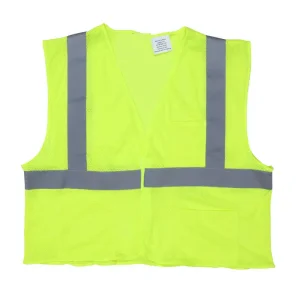
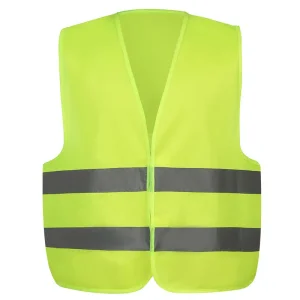
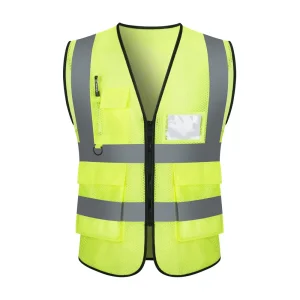
Heavy-Duty Hi-Vis Reflective Lime Safety Vest with 2-Inch Silver Micro-Prismatic Bands

Heavy-Duty Hi-Vis Reflective Lime Safety Vest with 2-Inch Silver Micro-Prismatic Bands

View Product Specs
Swedish Standard EN ISO 20471 Class 2 High-Visibility Lime-Yellow Workwear Vest

Swedish Standard EN ISO 20471 Class 2 High-Visibility Lime-Yellow Workwear Vest

View Product Specs
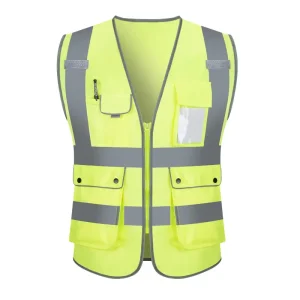
All-Weather Multi-Pocket Hi-Vis Reflective Safety Vest for Nordic Logistics & Construction

All-Weather Multi-Pocket Hi-Vis Reflective Safety Vest for Nordic Logistics & Construction

View Product Specs
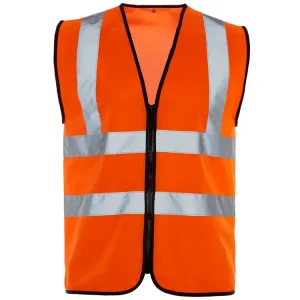
Industrial Reinforced Zipper Hi-Vis Safety Vest Jacket for Extreme Low-Light Workzones

Industrial Reinforced Zipper Hi-Vis Safety Vest Jacket for Extreme Low-Light Workzones

View Product Specs
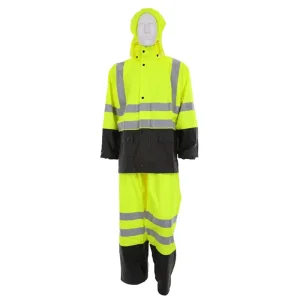
Scandinavia Sub-Zero Waterproof PU-Cotton Blend Stretch Reflective Safety Rainsuit

Scandinavia Sub-Zero Waterproof PU-Cotton Blend Stretch Reflective Safety Rainsuit

View Product Specs
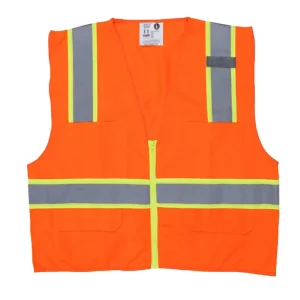
Dual-Tone Hi-Vis Reflective Orange & Lime Executive Safety Vest with Zipper Front

Dual-Tone Hi-Vis Reflective Orange & Lime Executive Safety Vest with Zipper Front

View Product Specs
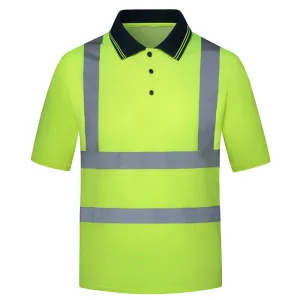
High-Visibility Moisture-Wicking Collar Safety Polo Shirt with 360° Reflective Strips

High-Visibility Moisture-Wicking Collar Safety Polo Shirt with 360° Reflective Strips

View Product Specs
Ultra-Lightweight 100% Polyester Breathable Hi-Vis Reflective Work Vest

Ultra-Lightweight 100% Polyester Breathable Hi-Vis Reflective Work Vest

View Product Specs
Direct OEM / ODM Manufacturing Partner

Partner with China's Premier Hi-Vis Beanie Factory for Swedish & European Markets

Gain competitive advantage through factory-direct pricing, certified EN ISO 20471/EN 17353 compliance, custom branding, and scalable production capacity tailored for Scandinavian procurement standards.

Send Inquiry Now