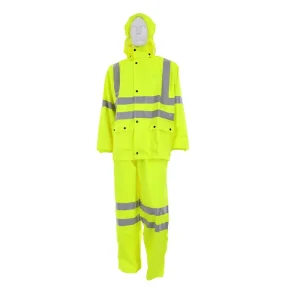
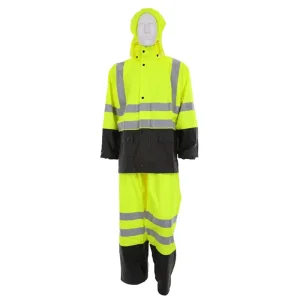
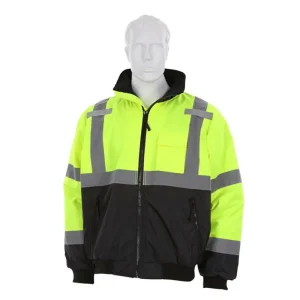
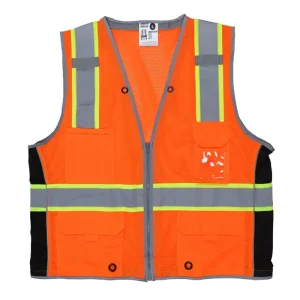
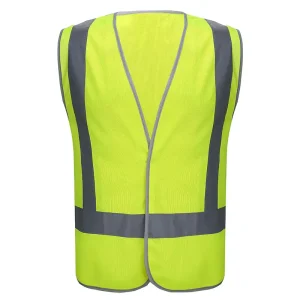
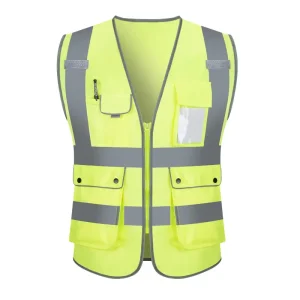
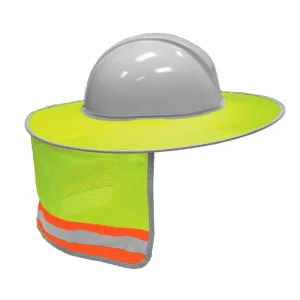
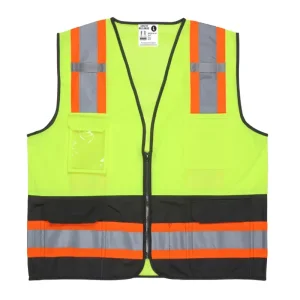
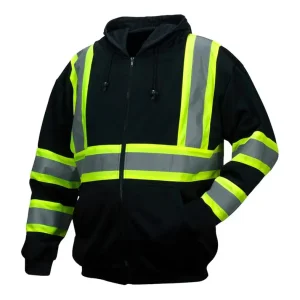
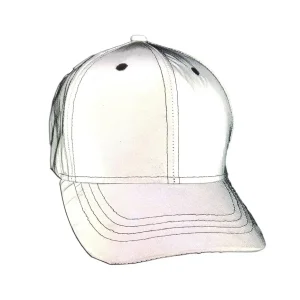
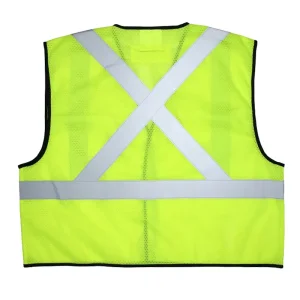
Fully compliant with Kenya Bureau of Standards (KEBS) and EN ISO 20471 Class 3 waterproof specifications.
East Africa’s economic landscape is undergoing an unprecedented structural transformation, with Kenya serving as the primary commercial, logistical, and infrastructure hub of the region. Driven by major public-private initiatives such as Kenya Vision 2030, the expansion of the LAPSSET (Lamu Port-South Sudan-Ethiopia Transport) Corridor, the extensive maintenance of the Standard Gauge Railway (SGR), and continuous road modernizations led by the Kenya National Highways Authority (KeNHA) and Kenya Urban Roads Authority (KURA), demand for standardized, high-performance safety apparel has surged dramatically.
Historically, the East African workwear market was saturated with low-grade, single-season PVC raincoats that lacked breathable membranes, torn easily under rigorous physical labor, and failed international retroreflective luminosity checks. However, today’s Kenyan enterprise buyers—ranging from multi-national civil engineering consortia and geothermal energy developers in Naivasha to agricultural conglomerates in the Rift Valley and port logistics operators in Mombasa—enforce strict safety compliance standards aligned with both international protocols (EN ISO 20471, EN 343, ANSI/ISEA 107) and national guidelines mandated by the Directorate of Occupational Safety and Health Services (DOSHS) and the Kenya Bureau of Standards (KEBS).
Procurement officers managing work crews in Kenya face a dual meteorological challenge. Kenya experiences two distinct rainy seasons: the "Long Rains" from March to May, characterized by intense, prolonged downpours, and the "Short Rains" from October to December. During these periods, field personnel operating in high-risk zones—such as highway construction, open-cast mining, and tea harvest plantations—are exposed to torrential water ingress while simultaneously subjected to high ambient humidity and equatorial solar radiation.
Traditional non-breathable rubber or cheap vinyl rainwear traps metabolic heat, leading to severe thermal discomfort, reduced operational productivity, and elevated risks of heat exhaustion among workers. As a direct result, modern procurement specifications are pivoting toward high-visibility Polyurethane (PU) breathable membranes combined with micro-porous technical fabrics. As a specialized China manufacturing plant, our production lines engineered specifically for the East African market utilize 300D to 600D Polyester Oxford matrix fabrics coated with hydrophilic PU backings. This architecture guarantees 100% hydrostatic water resistance (up to 10,000mm H₂O) while permitting internal moisture vapor escape (water vapor permeability exceeding 5,000 g/m²/24h), keeping workers completely dry from both external rains and interior perspiration.
Why procurement teams across Nairobi, Mombasa, and Kisumu are phasing out PVC in favor of advanced PU technical textiles.
| Performance Metrics | Traditional Heavy-Duty PVC / Polyester | Technical PU Coated Oxford (Our Kenya Spec) | Impact on Enterprise Supply Chain |
|---|---|---|---|
| Breathability & Thermal Comfort | Zero Water Vapor Permeability (Causes internal condensation) | High RET Rating (RET < 12) / Hydrophilic Micro-porous Membrane | Reduces worker fatigue; increases shift endurance by 25% in warm rain conditions. |
| Cold/Heat Flexibility | Becomes stiff under heat, cracks under heavy UV exposure | Ultra-flexible polyurethane structure; UV-stabilized anti-aging treatment | Extends garment service life from 3 months to 18+ months under equatorial sun. |
| Seam Waterproofing Integrity | Stitched or low-temp welded; prone to seam splitting under load | Fully Taped Seams with Hot-Melt Thermoplastic PU Tape (20mm - 25mm) | Eliminates liquid seepage at critical stress points (crotch, shoulders, underarms). |
| Weight-to-Strength Ratio | Heavy (400 - 550 GSM), restrictive movement | Lightweight High-Tenacity (180 - 220 GSM Oxford 300D) | Lowers freight forwarding costs per unit by up to 35% on container shipments to Mombasa. |
| Retroreflectivity Durability | Standard domestic tape; degrades after 5-10 wash cycles | Class 2 Glass-Bead / Micro-prismatic Tape (ISO 20471 Certified, 50+ Washes) | Ensures full compliance with road safety audit checks conducted by KeNHA/DOSHS. |
Engineered to withstand monsoon water pressure up to 10,000mm H₂O. Our seam-sealing technology utilizes automated hot-air taping machines running specialized 3-ply TPU sealing tape, guaranteeing zero leakage even when subjected to high-pressure water streams on construction sites.
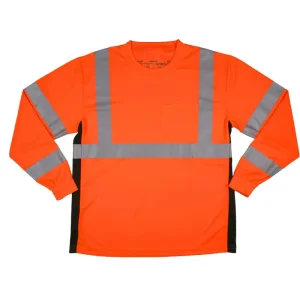
Utilizing fluorescent pigments certified under EN ISO 20471 for Fluorescent Yellow, Orange-Red, and Lime. Designed to optimize visual contrast against both urban concrete backdrops and lush rural plantation terrain across Kenya.
High-stress zones including cargo pocket corners, pant crotch intersections, and zipper bases feature bartack reinforcement stitching. Fabrics undergo tear-resistance testing according to ISO 13937 standards to prevent snagging on heavy equipment or flora.
Precision-tailored garment configurations serving public infrastructure, logistics, power generation, and commercial agriculture.
Road maintenance crews working along high-speed corridors (e.g., Nairobi Expressway, Northern Corridor A104) require ANSI Class 3 / EN ISO 20471 Class 3 two-piece rain suits featuring 360-degree reflective bands around torso, arms, and legs. Our garments incorporate storm-flap zipper covers and adjustable elastic cuffs to prevent wind-driven rain penetration during fast-moving traffic assignments.
Dockworkers, crane operators, and customs inspectors operating in salty, highly humid marine environments require rainwear with anti-corrosive heavy-duty resin zippers and salt-spray resistant PU coatings. Bright fluorescent orange rain pants with reinforced knees prevent staining from heavy oil grease while maintaining high visibility around container stackers.
Engineers and field geologists working near geothermal steam fields or open-pit mining operations face volatile weather fluctuations. We supply flame-retardant (FR) treated hi-vis PU rain jackets paired with anti-static grid fibers, protecting personnel against sudden rain squalls, mud splatter, and accidental thermal contact hazards.
Direct sourcing from a certified Chinese OEM factory offers immense cost benefits, but navigating trade regulations is vital for seamless operations. As an experienced exporter catering specifically to Kenyan enterprise clients, our factory provides end-to-end support for compliance with Kenya Bureau of Standards (KEBS) mandates, including Pre-Export Verification of Conformity (PVoC).
Every shipment dispatched to Kenya undergoes third-party inspection (via SGS, Intertek, or CCIC) prior to loading at Ningbo or Shanghai ports. We issue full CoC documentation to guarantee immediate clearance through KRA (Kenya Revenue Authority) Customs at the Port of Mombasa, eliminating container demurrage fees.
We offer high-definition silkscreen, heat-transfer vinyl, and reflective screen printing for contractor logos (e.g., company branding, project identifiers, safety badges). Logos are tested to ensure they do not shrink, peel, or compromise the waterproof membrane during prolonged field exposure.
Rainwear is vacuum-packed in heavy-duty moisture-proof polybags and consolidated into reinforced 5-ply export cartons. This maximizes container volume density, lowering ocean freight costs per unit by up to 20% for 20ft and 40ft HQ containers bound for Mombasa Port or Nairobi ICD (Inland Container Depot).
Future-proofing safety apparel through eco-friendly polymers, bio-based coatings, and smart reflective materials.
To support environmental sustainability initiatives undertaken by major infrastructure funds in Kenya, our R&D facility has developed 100% Recycled Polyester Oxford fabrics derived from post-consumer plastic bottles. Combined with solvent-free water-based PU coatings, these garments drastically reduce carbon emissions while maintaining identical tensile strength and hydrostatic ratings.
Moving beyond conventional glass-bead tapes, our next-gen rainwear option features encapsulated micro-prismatic structural retroreflective tape. This technology maintains over 80% of its initial retroreflectivity (cd/lux/m²) even during heavy downpours when water film covers the garment surface, drastically improving night-time survival rates for road construction personnel.
Currently undergoing field trials, our graphene-infused inner PU linings rapidly dissipate body heat in tropical equatorial climates, while preventing external cold wind chill during night-shift operations along high-altitude regions like Eldoret and Nakuru.
Explore our full range of safety vests, work jackets, fleece hoodies, and weather-protection accessories.
Expert guidance on factory orders, custom specifications, compliance, and shipping logistics.