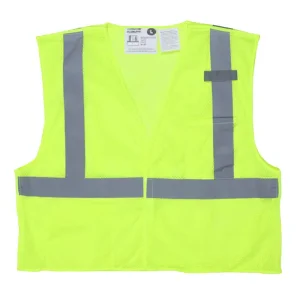
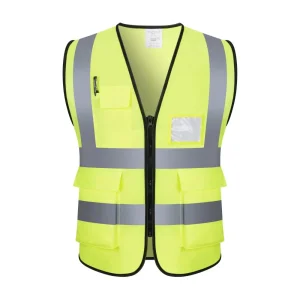
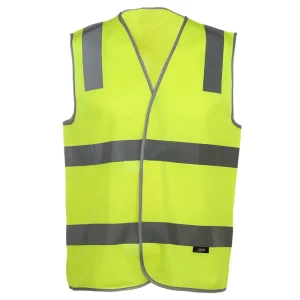
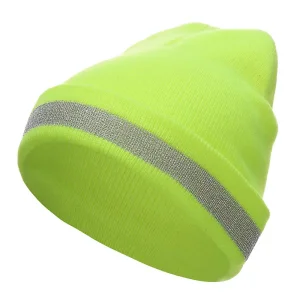
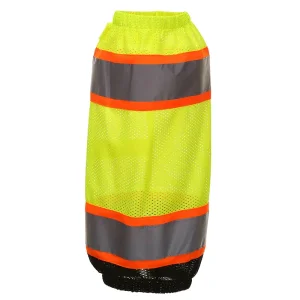
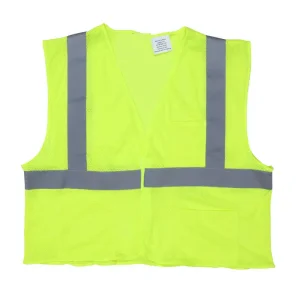
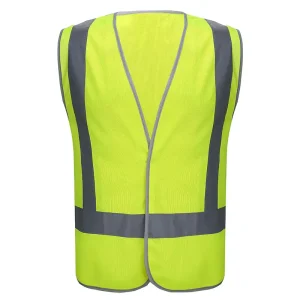
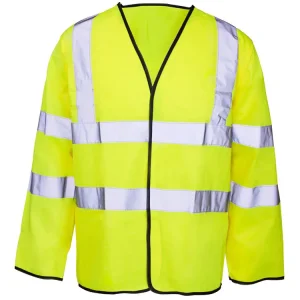
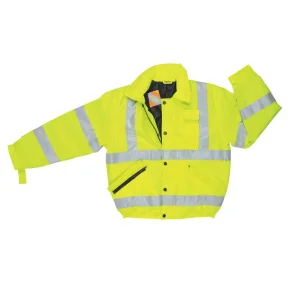
Engineered for extreme environmental resistance, high retroreflection, and ergonomic comfort for sub-zero industrial operations.
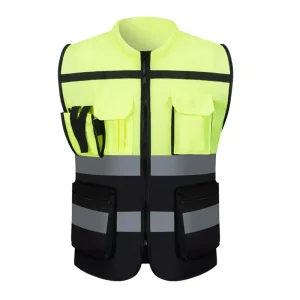
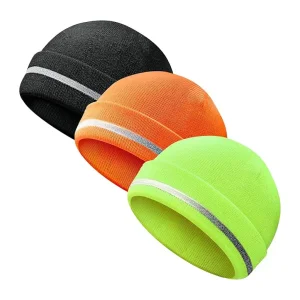
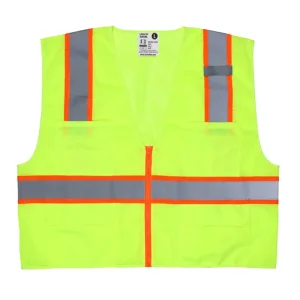
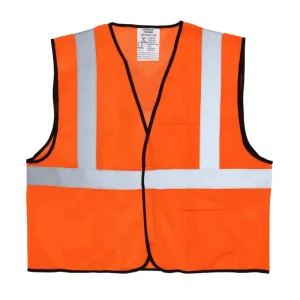
Strategic analysis of procurement trends, regulatory mandates, and market expansion across North American, Nordic, and Eurasian industrial sectors.
The global industrial personal protective equipment (PPE) sector has undergone a structural pivot toward specialized cold-climate workwear. As infrastructure expansion, offshore energy extraction, freight logistics, and year-round municipal engineering ramp up in sub-zero operational environments, the demand for wholesale winter safety vest suppliers and direct-manufacturing factories has reached unprecedented volume. Modern occupational safety frameworks no longer treat cold-weather garments as passive layering items; they are rigorously classified thermal-photometric life-safety barriers designed to prevent hypothermia while guaranteeing maximum retroreflective conspicuity under extreme atmospheric degradation.
The global high-visibility thermal apparel segment is projected to compound at 6.8% CAGR through 2030, driven by strict OSHA cold-stress regulations and EU Directive 2016/425 enforcement.
Enterprise buyers are transitioning from standard fleece-lined garments to certified CLO-rated insulation systems (range 1.2 to 2.8 CLO) designed for active labor at -20°C.
Bulk purchasers prioritize original equipment manufacturers (OEMs) with integrated fabric dyeing, automated laser cutting, and certified 3M/Reflexite micro-prismatic tape lamination.
Detailed technical breakdown of multi-layer garment construction, retroreflective glass bead technology, and weatherproofing membranes.
High-capacity manufacturing plants utilize advanced lamination process flows to construct industrial winter safety vests. Standard single-ply fabrics fail in sub-zero environments due to severe thermal bridging and moisture retention. Professional winter safety garments incorporate a tri-layer composite system:
Constructed from high-tenacity Oxford Polyester or Warp Knitted Polyester with PU/TPU breathable coating. Delivers a minimum hydrostatic head resistance of 8,000 mm (ISO 811) and abrasion resistance exceeding 25,000 Martindale rubs.
Utilizes hollow-fiber synthetic insulation or micro-fleece lining (280g/m²). Traps inert air pockets to achieve CLO ratings between 1.4 and 2.2, maintaining core warmth during static and dynamic work duty cycles.
Features anti-static silk taffeta or brushed tricot lining that facilitates seamless layering over heavy winter work jackets, hooded sweatshirts, or insulated coveralls without binding at the shoulders.
Standard PVC retroreflective tapes become brittle and crack when exposed to temperatures below 0°C. Leading China factory suppliers utilize specialized Polyurethane (PU) micro-prismatic tape or high-grade glass-bead retroreflective materials compliant with ANSI/ISEA 107 Level 2 and EN ISO 20471 Class 2 standards. These tapes retain a retroreflective coefficient ($R_A$) exceeding $330 \text{ cd/lx}\cdot\text{m}^2$ even after 50 cold-water industrial wash cycles and cold flex tests at -30°C.
| Technical Parameter | Standard Summer Safety Vest | Heavy-Duty Winter Safety Vest | Industrial Compliance Standard |
|---|---|---|---|
| Fabric Density & Weave | 120 GSM Polyester Mesh / Tricot | 300D-600D Oxford with TPU Membrane | ISO 13934-1 Tensile Strength |
| Thermal Resistance (CLO) | 0.2 - 0.4 CLO | 1.4 - 2.5 CLO | EN 342 Cold Environment Standard |
| Waterproof Rating | Non-waterproof or Water-repellent | 8,000mm to 15,000mm Hydrostatic | ISO 811 / EN 343 Class 3/4 |
| Retroreflective Coefficient ($R_A$) | > 250 cd/lx·m² | > 330 to 500 cd/lx·m² (Cold-Flex PU) | ANSI/ISEA 107-2020 / EN ISO 20471 |
| Pocket & Utility Hardware | Basic Hook-and-Loop / Light Zipper | Heavy-Duty YKK/SBS Zipper + Storm Flap | Reinforced Bar-Tack Stress Points |
Understanding regional certified standards to ensure smooth customs clearance, legal compliance, and worker protection across global jurisdictions.
Mandates background fabric surface area and retroreflective tape placement. Winter vests typically fall under Type R Class 2 or Class 3. Class 3 requires full sleeve coverage or combination ensembles with certified jackets for high-speed roadway traffic zones (>50 mph).
The European standard categorizes safety garments into 3 classes based on visible area. Winter safety vests specified with high-visibility background yellow, orange-red, or red must maintain colorfastness to light, washing, and cold weather exposure without chromaticity drift.
Canadian standards mandate a specific "X-Back" retroreflective striping pattern on the rear of the garment to signal to equipment operators whether a worker is facing toward or away from machinery in low-visibility blizzard conditions.
Australian and New Zealand standards require Class D/N (Day/Night) rating for outdoor winter garments. Requires extreme UV resistance for background fluorescents and high thermal endurance for mining site safety compliance.
Customizing garment specifications to match localized climate conditions, operational hazards, and sector-specific utility needs.
Requires extreme saltwater mist corrosion resistance, heavy-duty storm flaps over zippers, integrated harness passthrough slots, and 100% seam-taped waterproof shells (EN 343 4:4 rating).
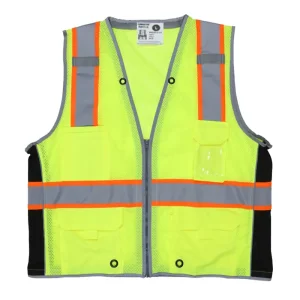
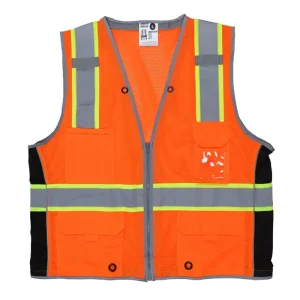
Emphasizes lightweight insulation (e.g., 100 GSM quilted polyfill) combined with dual-tier radio/mic tabs, clear ID badge holders, and high-contrast dual-tone lime/orange designs for yard operators.
Demands fleece-lined handwarmer pockets, break-away zipper designs for entanglement prevention around heavy machinery, and CSA Z96 X-back retroreflective configurations.
A comprehensive procurement framework for safety distributors, brand owners, and bulk buyers evaluating China manufacturing capabilities.
When executing high-volume tender contracts or stocking regional warehouse hubs, global procurement managers must evaluate potential suppliers beyond unit pricing. A reliable wholesale winter safety vest supplier must demonstrate end-to-end quality assurance, robust supply chain resilience, and precise customization capabilities.
Exploring active heating circuits, IoT emergency beacons, and eco-sustainable recycled fiber integration in modern PPE.
Integration of ultra-thin, flexible graphene heating pads powered by 5V/7.4V USB power banks, providing micro-climate temperature regulation without adding bulky insulation weight.
Embedding low-power Bluetooth (BLE) location tags and man-down tilt sensors within inner vest pockets to accelerate emergency response for lone workers in remote sub-zero environments.
Transitioning from virgin polyester to Global Recycled Standard (GRS) rPET derived from post-consumer plastic bottles, reducing product carbon footprint while maintaining EN ISO compliance.
Clear, authoritative answers to common technical, regulatory, and commercial sourcing inquiries from procurement professionals.
Standard safety vests are lightweight, single-layer mesh or tricot garments designed for thermal comfort in warm conditions. A winter safety vest incorporates multi-layer insulation (such as fleece, silk floss, or quilted padding), heavy-duty windproof/waterproof outer shells (300D Oxford), storm flaps, and cold-resistant retroreflective tape engineered for sub-zero temperatures.
Yes. While sleeveless winter vests natively achieve Class 2 compliance due to surface area constraints, they can achieve Class 3 certification when designed with removable insulated long sleeves or when combined with certified Class E safety pants or jackets as part of an ensemble system.
Professional factories specify PU-based or glass-bead retroreflective materials compliant with cold-flex standards (tested to -30°C). Tapes are laminated using automated heat-press machinery calibrated to precise temperature, pressure, and dwell time settings to bond permanently with the outer shell membrane.
Customization options include silk-screen printing, heat-transfer vinyl, and embroidered patches. Professional factories ensure logo placements are situated on pocket flaps, chest panels, or upper back locations so they do not reduce the minimum background fluorescent fabric square-inch requirements set by EN ISO 20471 or ANSI standards.
For standard stocked fabrics (fluorescent lime/yellow and orange-red 300D Oxford), MOQs typically range from 500 to 1,000 units per style. Fully customized pantone-dyed fabrics, specialized FR (Flame Resistant) treatments, or proprietary tape configurations may require an MOQ of 2,000+ units.
High-grade garments engineered by certified OEM factories are tested to withstand 25 to 50 industrial wash cycles at 40°C or 60°C (ISO 6330) without significant loss of fluorescent chromaticity or retroreflective lumen intensity.
Explore our full line of surveyor safety vests, multi-pocket winter jackets, long-sleeve apparel, and weather-resistant gear.