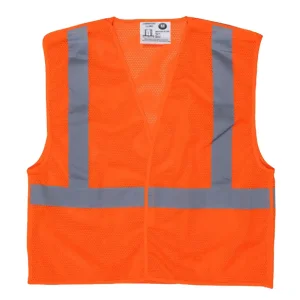
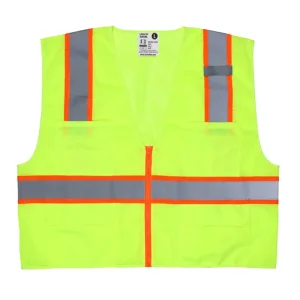
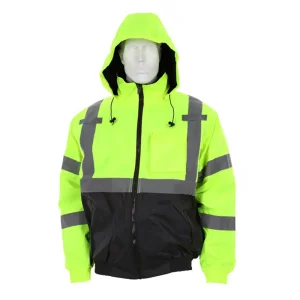
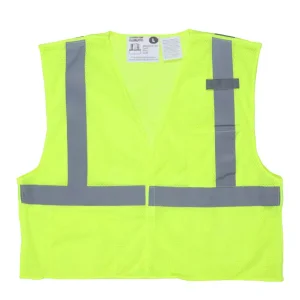
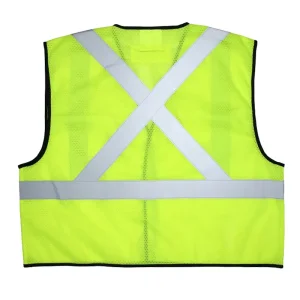
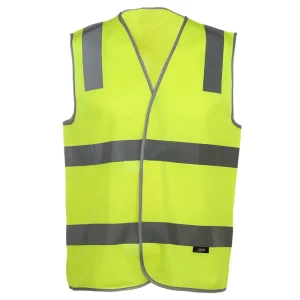
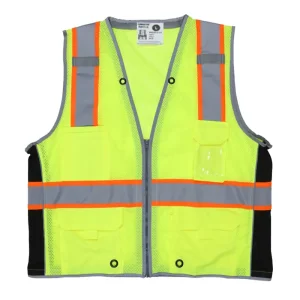
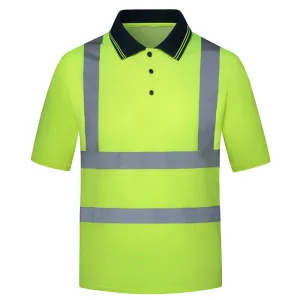
Industrial-grade waterproof jackets, reflective rainwear, and certified PPE manufactured for extreme field environments.
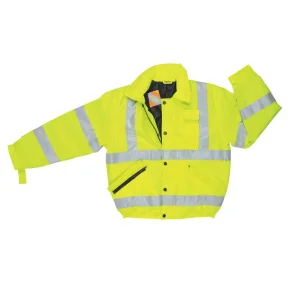
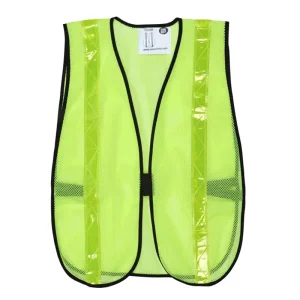
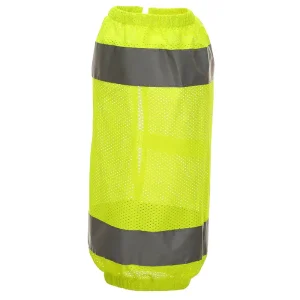
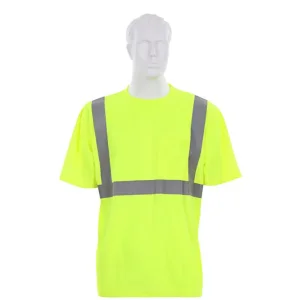
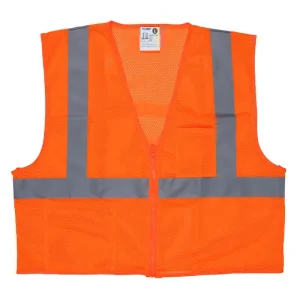
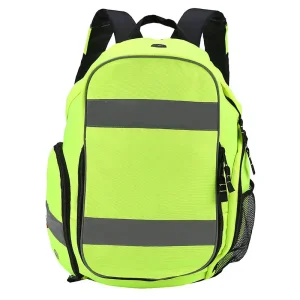
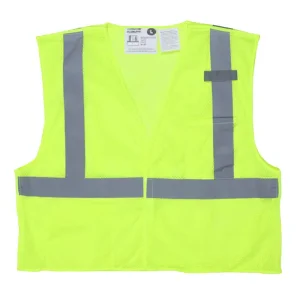
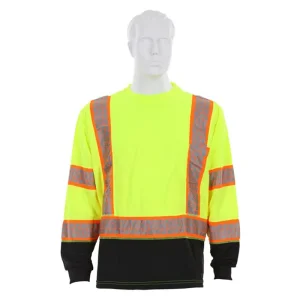
In modern industrial operations, occupational safety extends far beyond basic collision prevention. The global market for Personal Protective Equipment (PPE)—specifically high-visibility safety rain suits—has experienced a structural evolution driven by stringent occupational health and safety (OHS) legislation, accelerating infrastructure spending, and rising climatic volatility. Industrial rain suits are no longer evaluated merely as passive barriers against precipitation; they are engineered as complex, multi-functional protective systems that integrate retroreflective science, micro-porous membrane technology, ergonomic biomechanics, and flame-retardant (FR) properties.
Enterprise procurement directors across the North American, European, and Asia-Pacific regions are systematically re-engineering their supply chains. The legacy procurement approach of ordering low-cost, non-breathable PVC rain slickers has given way to specifying high-performance 300D to 600D Polyester Oxford rain suits treated with Polyurethane (PU) or Thermoplastic Polyurethane (TPU) coatings, fully taped waterproof seams, and micro-prismatic glass bead retroreflective banding compliant with ANSI/ISEA 107-2020 (Type R Class 2 and Class 3) and EN ISO 20471 / EN 343 standard specifications.
This whitepaper serves as a technical manual and strategic procurement guide for corporate buyers, safety equipment distributors, and industrial contract bidders. By analyzing the structural mechanics of rain suit production, evaluating regional standard variances, comparing manufacturing efficiency models in specialized production hubs like Yongkang, Zhejiang, China, and calculating Total Cost of Ownership (TCO), enterprise buyers can unlock substantial information gain and drive sourcing competitive advantages.
The protective performance of a wholesale safety rain suit depends entirely on its structural textile stack. A safety rain suit must balance two fundamentally opposing physical dynamics: preventing liquid water molecules (diameter ~100 to 3,000 microns) from penetrating from the outside while allowing water vapor molecules generated by human perspiration (diameter ~0.0004 microns) to evacuate from the inside.
High-end safety rain jackets and pants manufactured in tier-1 China factories utilize multi-layered composite textiles. Hydrostatic pressure tests (ISO 811 / AATCC 127) measure waterproofness by calculating the column of water height (in millimeters) that the fabric can withstand before moisture penetrates. Simultaneously, breathability is evaluated via Moisture Vapor Transmission Rate (MVTR - ASTM E96) or Water Vapor Resistance (RET - EN 31092).
| Fabric Material Grade | Coating / Lamination | Hydrostatic Rating (mm H₂O) | Breathability (MVTR g/m²/24h) | Primary Industrial Application |
|---|---|---|---|---|
| 150D Oxford Polyester | Direct PU Coating | 3,000 - 5,000 mm | 1,500 - 2,000 g/m² | Light Utility Work, Short-Duration Rain |
| 300D Heavy Oxford | Microporous PU Membrane | 8,000 - 10,000 mm | 4,000 - 6,000 g/m² | Highway Construction, Municipal Maintenance |
| 600D Ripstop Polyester | Breathable TPU Lamination | 15,000 - 20,000 mm | 8,000 - 10,000 g/m² | Offshore Energy, Mining, Harsh Monsoon Belts |
| FR-Treated PU Mesh Blend | Anti-Static / Arc-Resistant PU | 10,000+ mm | 5,000+ g/m² | Petrochemical Refineries, Electrical Utilities |
A common point of failure in low-grade safety rain suits is seam leakage. Needle punctures created during sewing compromise the fabric membrane. Professional safety rain suit factories deploy hot-air seam sealing machines that bond a multi-layer thermoplastic PU heat-seal tape across every stitch line (including armholes, crotch seams, pocket flaps, and necklines). This process guarantees 100% seam integrity under continuous hydrostatic pressure.
Utilizes premium 3M Scotchlite or TC retroreflective glass bead tapes certified to >500 cd/(lx·m²). Returns light directly back to vehicle headlamp sources, optimizing 360-degree worker recognition at up to 300 meters night visibility.
Dyes engineered for extreme ultraviolet (UV) stability. Fluorescent Lime-Yellow and High-Visibility Orange fabrics maintain chromaticity coordinates within ANSI/EN ISO color boxes even after 50+ industrial laundering cycles.
Articulated elbows, gusseted crotches, adjustable storm cuffs, and packable storm hoods engineered to eliminate movement restriction when worn over heavy thermal base layers or winter work uniforms.
Navigating international regulatory frameworks is a critical compliance mandate for enterprise B2B buyers. A safety rain suit that fails regional OHS compliance exposes corporations to catastrophic legal liability and regulatory fines. Professional factories construct garments based on specific regulatory standard profiles:
Our manufacturing facility maintains pre-approved third-party lab test certifications (SGS, TÜV Rheinland, SATRA, UL) for all standardized fabrics, retroreflective trims, and finished rain suit styles, eliminating compliance bottlenecks during customs clearance and site safety audits.
Why does China remain the undisputed epicenter for high-volume wholesale safety rain suit manufacturing? The answer lies in structural industrial clustering, raw material vertical integration, and advanced automation.
In specialized manufacturing ecosystems like Yongkang, Jinhua City, Zhejiang Province, the entire supply chain for reflective workwear and waterproof safety rainwear is concentrated within a 30-kilometer radius. This localized industrial ecosystem generates unprecedented agility and cost efficiencies:
Direct access to regional synthetic weaving mills, PU/TPU film extruders, and reflective bead coaters reduces raw material lead times from weeks to 48 hours, enabling rapid order scaling.
Factories utilize automated laser cutters, ultrasonic welding stations, and programmable hot-air sealing machinery to enforce zero-defect stitching on high-volume production runs.
In-house laboratories equipped with hydrostatic head testers, tensile strength equipment, and washing simulation chambers guarantee every batch meets client specifications prior to shipment.
Safety rain suits must be engineered to withstand diverse environmental stresses based on targeted industrial field environments:
Requires high-contrast ANSI Class 3 fluorescent lime-yellow rain suits equipped with 360-degree reflective striping. High visibility is essential to protect road crews from oncoming vehicles travelling at 65+ mph under torrential rain and dense fog.
Mandates anti-static, flame-resistant (FR) waterproof suits. Rainwear must prevent static electricity buildup that could ignite volatile hydrocarbon gases while simultaneously protecting technicians from chemical splash and downpours.
Demands 100% saltwater-resistant, heavy-duty 600D Oxford TPU rain suits with storm flaps, neoprene wrist cuffs, and high hydrostatic rating (>15,000 mm) to combat sea spray and severe offshore monsoons.
Demands streamlined, snag-free rain suits fitted with dual-zipper storm fronts, mic tabs for radio equipment, and dielectric zippers (non-conductive) for worker safety around high-voltage radar equipment.
When evaluating wholesale suppliers for safety rain suits, price per unit (FOB/CIF) is only one component of the Total Cost of Ownership (TCO). Procurement managers who select low-cost non-taped rain suits frequently encounter premature garment degradation, seam split failures, non-compliance fines, and worker injury claims.
Ensure the supplier holds ISO 9001 quality certification, BSCI social accountability compliance, and valid Oeko-Tex Standard 100 certifications for skin-contact safety fabrics.
Request recent test reports from accredited laboratories (SGS, Intertek, TÜV) confirming hydrostatic pressure limits, retroreflectivity cd/(lx·m²) values, and colorfastness ratings.
Confirm the factory’s capacity for custom screen printing, heat-transfer branding, private label packaging, custom pocket configurations, and specialized sizing ranges (S to 6XL).
Expert solutions to common technical, manufacturing, and regulatory inquiries regarding wholesale safety rain suits.
The fundamental difference lies in the total surface area of fluorescent background fabric and retroreflective tape. ANSI Class 2 rain gear is designed for work environments where traffic speeds do not exceed 25 mph and tasks permit full attention to approaching traffic. ANSI Class 3 rain suits are mandated for high-risk, high-speed environments (>50 mph) or extreme weather where total bodily visibility is essential. Class 3 garments require full sleeve coverage with retroreflective banding around limbs to explicitly identify human movement at distance.
While PVC (Polyvinyl Chloride) provides cheap waterproofing, it is stiff, heavy, prone to cracking in cold temperatures, and entirely non-breathable. PU (Polyurethane) coating, conversely, offers superior flex-durability, lightweight comfort, environmental compliance (phthalate-free), and cold-weather resistance (remaining pliable at sub-zero temperatures). Furthermore, micro-porous PU permits water vapor evacuation, vastly improving wearer comfort.
When rain suit fabrics are stitched, the needle creates micro-punctures through which water under pressure eventually leaks. Hot-air seam sealing applies a specialized thermoplastic polyurethane (TPU) heat-seal tape over all interior seam stitching under precise heat and pressure. This fuses the tape to the PU coating, completely sealing all needle holes against water ingress.
Standard OEM wholesale production MOQs range from 500 to 1,000 units per style/color combination for custom-dyed fabrics and custom reflective layouts. In-stock core styles can be ordered in lower minimums (100–300 units). Standard mass production lead times are typically 30 to 45 days post-sample approval, supported by expedited ocean freight or air freight logistics from Ningbo or Shanghai ports.
Yes, provided the total area of non-compliant logo printing does not reduce the required minimum background fluorescent fabric area below standard limits (e.g., ANSI Class 2 or Class 3 minimums). Logos should be applied using screen printing with compatible flexible polyurethane inks or via high-durability heat-transfer patches located on designated print zones (such as left chest, right chest, or upper back grid areas).
To preserve retroreflective performance and waterproof membrane integrity, rain suits should be machine washed on gentle cycles at water temperatures not exceeding 40°C (104°F) using mild neutral detergents. Bleach, fabric softeners, and dry cleaning must be strictly avoided as they degrade the PU coating and glass bead retroreflective binder layers. Line drying in shade is recommended.
EN 343:2019 Class 4:4 is the gold standard European specification for protective rainwear. The first '4' signifies the highest tier of waterproofing (withstanding >13,000 Pa water pressure pre- and post-pretreatment), while the second '4' signifies the lowest water vapor resistance (RET < 15 m²·Pa/W), ensuring maximum sweat evaporation during high-exertion manual labor.
By operating a direct 6,000 m² integrated production facility in Yongkang, Zhejiang, China, we eliminate intermediary trading broker markups. Our direct procurement of raw Oxford textiles and automatic in-house tape-sealing operations streamline production costs, allowing us to pass 15% to 25% cost savings directly to global wholesale distributors and enterprise procurement buyers.
Explore our full line of reflective safety vests, jackets, shirts, and accessories designed for global industrial procurement.