Explore our flagship certified protective garments engineered for extreme weather resilience, high photometric visibility, and ergonomic comfort.
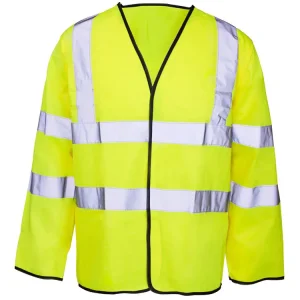
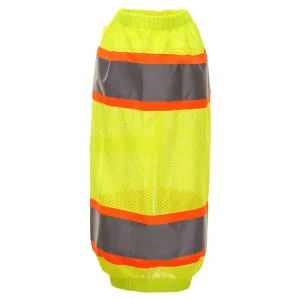
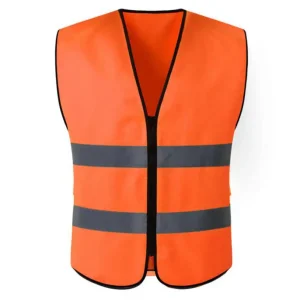
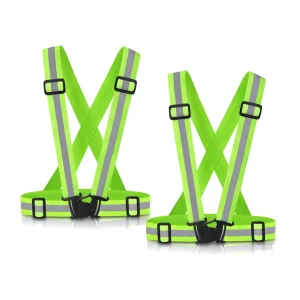
In modern industrial operations—spanning cold-chain logistics, sub-zero highway construction, offshore energy extraction, and municipal emergency response—the traditional boundary between high-visibility compliance (PPE) and thermal regulating outerwear has vanished. Procurement leaders no longer treat insulated safety vests as simple layered add-ons. Instead, they demand multi-hazard, microclimate-controlled apparel engineered to maintain core body temperature (homeostasis) without compromising photometric visibility standard compliance under ANSI/ISEA 107-2020 or EN ISO 20471:2013+A1:2016.
A quilted safety vest represents a precise balance of materials science and mechanical engineering. Unlike unlined mesh or solid polyester vests designed solely for daylight and retroreflective compliance, a heavy-duty padded vest incorporates multi-layered composite thermal traps. It combines weather-resistant outer shell fabrics, high-loft synthetic insulation wadding, and internal moisture-wicking linings with certified retroreflective glass-bead or micro-prismatic taping. Sourcing through specialized wholesale quilted safety vest suppliers and OEM factories gives enterprise buyers complete control over fabric denier, GSM weight, thermal resistance insulation values ($R_{ct}$ measured in m²K/W), and strict washing longevity standards.
Information Gain Key Insight: Thermal insulation in industrial vests is governed by ISO 11092 / EN 14058 standards. Selecting an improper insulation GSM or non-breathable lining can lead to internal moisture buildup (sweat condensation) during physical labor. This moisture drastically reduces the vest's effective Clo value (thermal insulation index), causing rapid body cooling during rest periods. High-tier manufacturers utilize zoned micro-perforated thermal linings combined with ultrasonic quilted channels to guarantee steady thermal homeostasis.
Inside the structural engineering of an industrial-grade insulated safety vest built for extreme working environments.
Constructed from heavy-duty 300D to 600D Polyester Oxford weave backed by polyurethane (PU) or polyvinyl chloride (PVC) microporous coatings. Delivers a minimum hydrostatic pressure water resistance rating exceeding 3,000mm to 5,000mm H₂O, with stain-repellent DWR (Durable Water Repellent) surface treatments.
Utilizes 120 GSM to 220 GSM high-loft thermo-bonded hollow-fiber polyester wadding or GRS-certified (Global Recycled Standard) recycled rPET insulation. Hollow synthetic fibers trap air micro-pockets to deliver lightweight insulation (0.8–1.6 Clo rating) without adding unnecessary bulk that limits movement.
Incorporates premium 2-inch (50mm) 3M™ Scotchlite™ 8912/8906 retroreflective glass-bead tape or micro-prismatic vinyl tape certified for high performance ($R_A > 330 \text{ cd/(lx}\cdot\text{m}^2)$). Maintains optical brilliance even after 50+ rigorous industrial laundering cycles at 60°C.
Traditional needle-stitched quilting creates thousands of microscopic needle punctures across the shell fabric, leading to cold spots and micro-leakage of rainwater. Modern China 4.0 factories employ high-frequency Ultrasonic Seamless Quilting Technology. This process bonds the shell, fill, and lining thermally in custom diamond or horizontal channel grids. The result is total water tightness, wind protection, and zero insulation fiber displacement during washing.
Features heavy-duty resin or brass YKK zipper closures, storm flaps with reinforced snap fasteners, double-stitched radio mic loops, clear PVC identification badge holders, and reinforced dual-entry utility cargo pockets. Integrated internal harness pass-through slits allow seamless compatibility with fall-protection systems on scaffolding and high-altitude rigs.
Specific operational environments demand specialized quilted safety vest configurations. Explore how our factory-customized apparel serves key industries.
Designed for sub-zero freezer distribution centers (-25°C). Uses high-loft 200 GSM polyfill, soft fleece-lined stand-up collars, and flexible armholes to ensure complete upper-body thermal protection while preserving full arm agility during forklift and palette handling operations.
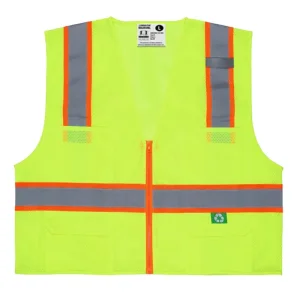
Tailored to meet ANSI Class 2/3 and EN ISO 20471 Class 2 standards. Features high-contrast 2-tone lime/orange fluorescent fabrics with 360° retroreflective banding to guarantee maximum vehicle operator visibility at speeds over 65 mph during night paving.
Combines thermal quilting with inherently Flame-Resistant (FR) outer shells (Nomex® or Modacrylic/Cotton blends) and antistatic grid fibers certified to NFPA 2112, EN ISO 11612, and EN 1149-5 for hazardous explosive environment safety.
Features tactical 5-point breakaway Velcro seams (shoulders, sides, front zipper) to protect workers from machinery entanglements. Includes specialized mic loops, flashlight holders, and reflective rear printing (POLICE, EMS, FIRE, UTILITY).
A quick technical reference comparing global safety clothing certification benchmarks implemented in our OEM/ODM factories.
| Regulatory Standard | Target Geographic Region | Minimum Fluorescent Fabric Area | Minimum Retroreflective Tape Area | Key Thermal / Mechanical Requirement |
|---|---|---|---|---|
| ANSI/ISEA 107-2020 (Type R Class 2) | United States / North America | 0.50 m² (775 sq in) | 0.13 m² (201 sq in) | Class 2 background visibility; high-wear colorfastness; 330+ $R_A$ tape reflection. |
| ANSI/ISEA 107-2020 (Type R Class 3) | United States / North America | 0.80 m² (1240 sq in) | 0.20 m² (310 sq in) | Full torso and sleeve coverage; mandatory vertical and horizontal reflective bands. |
| EN ISO 20471:2013+A1 (Class 2) | European Union / UK (UKCA) | 0.50 m² | 0.13 m² | Strict chromaticity coordinates for fluorescent yellow/orange/red; 50-wash durability testing. |
| EN 14058:2017 | European Union / UK | N/A (Thermal Specific) | N/A | Measures thermal insulation ($R_{ct}$), air permeability ($AP$), and water penetration resistance. |
| AS/NZS 4602.1:2011 (Class D/N) | Australia / New Zealand | 0.40 m² (Front & Back) | 50mm continuous tape pattern | Day/Night dual compliance; natural fiber option for high-temperature work zones; UV 50+ protection. |
| OEKO-TEX® Standard 100 | Global Compliance | N/A (Eco-Safety) | N/A | Guarantees zero harmful azo dyes, formaldehyde, heavy metals, or toxic DWR fluorocarbons (PFC-free). |
How modern automated production lines in Yongkang, Zhejiang deliver unprecedented BOM cost efficiencies, short lead times, and structural quality control.
High-speed CNC multi-needle quilting frames operate with millimeter accuracy. They automatically maintain uniform thread tension across thousands of meters of shell and filling fabric, ensuring zero down displacement or uneven insulation pockets.
CAD-integrated automated multi-ply fabric laser cutters guarantee precision sizing across XS to 7XL profiles. Heat-sealed edges prevent shell unraveling, reducing raw material waste by 14% compared to manual cutting techniques.
Located in Yongkang, Zhejiang—China's hardware and safety textile manufacturing cluster—our factory benefits from direct regional sourcing of zippers, reflective tapes, Oxford fabrics, and custom packaging. This localized network slashes raw material procurement lead times to just 3–5 days.
Next-generation technological developments transforming the high-visibility thermal safety apparel landscape.
Integrating flexible carbon-nanotube (CNT) or graphene heating elements powered by lightweight 5V/9V USB power banks. Smart sensor arrays automatically adjust thermal output based on internal microclimate temperature and ambient external conditions, extending worker endurance in arctic environments.
Transitioning from virgin petroleum-based synthetics to 100% Post-Consumer Recycled Polyester (rPET) derived from ocean plastics, combined with bio-based DWR fluorocarbon-free hydrophobic coatings. Eco-friendly recycled insulation maintains identical Clo performance while lowering carbon footprint by up to 45%.
Key evaluation criteria for enterprise purchasing managers, safety distributors, and OEM buyers requesting RFQs for custom quilted vests.
Low-cost safety vests lose retroreflectivity and structural fill integrity after 10–15 domestic washes. Specifying 50+ industrial wash certified 3M reflective tape and ultrasonic channel quilting extends garment service life by 300%, drastically reducing annual replacement costs per worker.
Verify that supplier manufacturing facilities carry active BSCI (Business Social Compliance Initiative), SMETA 4-Pillar, or ISO 9001:2015 quality management certifications to ensure ethical labor standards, environmental compliance, and seamless customs clearing.
Request tailored OEM features including screen-printed or embroidered corporate brand logos (placed without compromising minimum fluorescent surface area requirements), custom zipper pulls, specialized pocket dimensions, and private-label barcode hangtags.
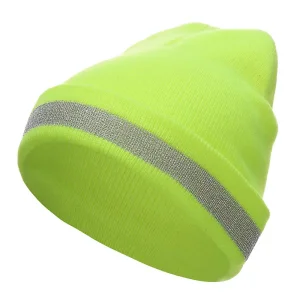
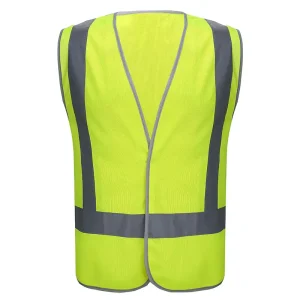
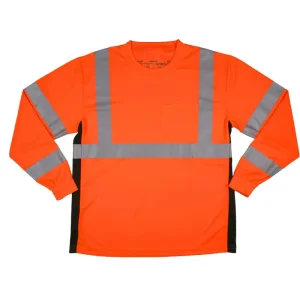
Complete your safety gear procurement program with our certified reflective apparel, rainwear, and protective headwear.
Get immediate answers to common procurement, compliance, and material engineering questions regarding wholesale quilted safety vests.