Explore our top-tier ANSI/ISEA 107-2020 and EN ISO 20471 certified high-visibility reflective apparel, manufactured with high-precision retroreflective glass bead and microprismatic technologies.
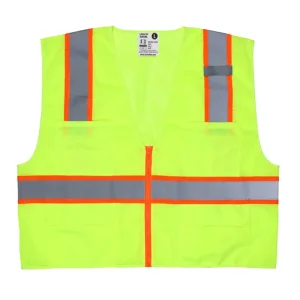
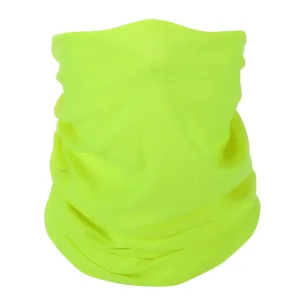
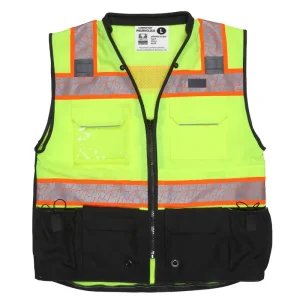
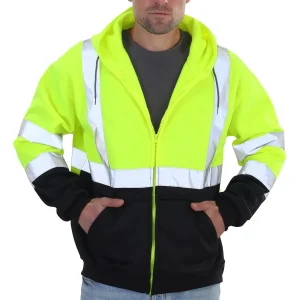
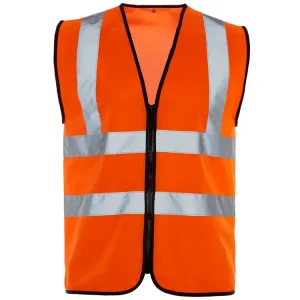
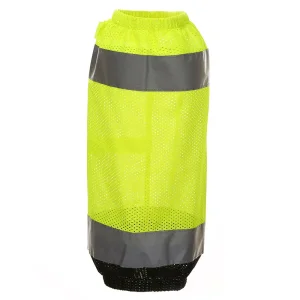
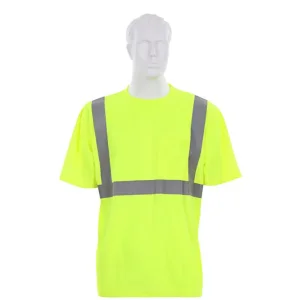
An engineering breakdown of modern high-visibility shirt construction, retroreflective photometrics, and ergonomic thermal regulation for industrial work environments.
Engineered using 100% hydrophobic polyester micro-filament yarns woven into a 130–160 GSM Birdseye mesh structure. This three-dimensional cellular weave creates micro-channels that accelerate capillary action, pulling sweat away from the dermis and enhancing evaporative cooling by up to 42% compared to standard cotton blends.
Utilizing microscopic glass beads embedded in a synthetic polymer matrix. Incident light rays strike the hemispherical rear surface coated with aluminum vapor deposition, reflecting light back toward the light source with a coefficient of retroreflection ($R_A$) exceeding 330 to 500 cd/(lx·m²) at a standard 0.2° entrance angle.
Fluorescent yellow-green and orange-red dyes absorb non-visible ultraviolet radiation (300nm–400nm) and re-emit it as longer, visible light wavelengths (500nm–600nm). This photoluminescent transformation yields luminance factors ($\beta$) exceeding 0.70 for yellow and 0.40 for orange, guaranteeing daytime visual conspicuity.
Understanding the economic, technological, and logistical advantages of sourcing high-visibility protective apparel directly from Yongkang, Zhejiang—China's global manufacturing hub.
Global B2B buyers, municipal procurement departments, and enterprise safety distributors constantly seek the optimal equilibrium between stringent safety compliance and unit cost efficiency. Direct procurement from specialized Chinese manufacturing hubs like Yongkang Wow Safety Products Co., Ltd. offers unparalleled competitive advantages:
Located in the heart of Zhejiang's textile and safety equipment industrial corridor, our facility leverages immediate proximity to raw polyester yarn extrusion mills, specialized fluorescent dye houses, and glass-bead coating facilities. This localized clustering eliminates supply bottlenecks, accelerates raw material staging, and reduces production lead times to just 15 to 25 days for standard container loads.
With over 6,000 square meters of modern manufacturing footprint and automated multi-head laser cutting machines, high-speed automated sewing arrays, and thermal bonding units, our facility outputs over 500,000 units monthly. Massive raw material purchasing power enables us to pass significant volume savings directly to wholesale buyers without compromising garment integrity.
Western procurement teams demand precision branding and specialized garment configurations. Our in-house R&D and pattern-making divisions support full OEM/ODM specs: custom pocket configurations (e.g., dual mic tabs, transparent ID badge holders, radio harness loops), screen printing, heat transfer reflective logos, and custom pantone-matched fluorescent paneling.
Every production batch undergoes multi-tier quality control testing adhering to ISO 9001 quality management systems. Our internal laboratory tests raw fabrics for tensile strength (ISO 13934-1), color fastness to washing and light exposure (ISO 105-B02), and retroreflective brightness after repeated industrial laundering cycles.
Navigating North American, European, and Australian safety apparel regulations to ensure total jobsite compliance and tender eligibility.
| Standard / Region | Garment Class / Type | Min. Fluorescent Base Fabric | Min. Retroreflective Tape Area | Primary Industrial Applications |
|---|---|---|---|---|
| ANSI/ISEA 107-2020 (United States / North America) |
Type R, Class 2 | 775 sq. inches ($0.50 m^2$) | 201 sq. inches ($0.13 m^2$) | Roadway construction, utility crews, traffic direction in speed zones under 45 mph. |
| ANSI/ISEA 107-2020 (United States / North America) |
Type R, Class 3 | 1,240 sq. inches ($0.80 m^2$) | 310 sq. inches ($0.20 m^2$) | High-speed highway work (>45 mph), emergency responders, night operations with full body coverage. |
| EN ISO 20471:2013+A1:2016 (European Union) |
Class 2 Garment | $0.50 m^2$ | $0.13 m^2$ | Urban roadworks, courier logistics, railway peripheral maintenance zones. |
| EN ISO 20471:2013+A1:2016 (European Union) |
Class 3 Garment | $0.80 m^2$ | $0.20 m^2$ | Heavy civil infrastructure, airport tarmac operations, high-risk industrial sites requiring long sleeves/pants. |
| AS/NZS 4602.1:2011 (Australia & New Zealand) |
Class D/N (Day & Night) | Full front & back coverage | 50mm wide reflective bands | Australian mining sectors, municipal works, logistics hubs requiring UPF 50+ sun rating. |
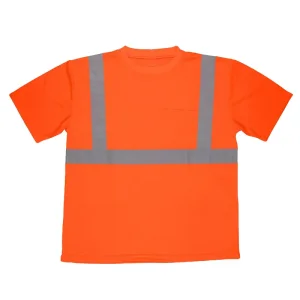
Both ANSI 107 and EN ISO 20471 mandates dictate that high-visibility shirts must provide 360° continuous horizontal visibility around the torso. Reflective bands must encircle the waist and chest without excessive gaps. When applying custom screen-printed corporate logos or side mesh ventilation panels, total certified fluorescent surface area must not drop below the legal square inch thresholds specified by the standard.
Discover how advancements in textile chemistry, thermal transfer tapes, and eco-sustainable manufacturing are defining the next generation of safety workwear.
Replacing rigid solid sewn reflective tape with flexible, laser-cut segmented heat-transfer tape. This eliminates garment stiffness, enhances airflow across tape seams, and allows 4-way fabric stretch without cracking tape silvering.
Global enterprises are adopting ESG green procurement. Modern hi-vis shirts now utilize post-consumer recycled plastic bottles spun into high-tenacity rPET yarn, certified by the Global Recycled Standard (GRS) while matching virgin polyester performance.
Integration of Flame-Resistant (FR) treated cotton-modacrylic fabrics with high-visibility fluorescent yellow/orange dyes. Meeting NFPA 2112 and NFPA 70E standards, providing single-layer protection against electrical arc flash and high-speed vehicular traffic.
Embedding active LED strip channels, RFID asset tracking chips, and heat-index sensing yarns directly into high-visibility shirts to optimize workplace safety management and lone-worker monitoring in real time.
Customized hi-vis safety shirts tailored to specific industrial environments, climatic stressors, and operational hazard profiles.
Recommended Spec: ANSI Class 3 long-sleeve moisture-wicking shirts with 2-inch wide 3M Glass Bead tape. Designed with dark black bottom panels to conceal soil, grease, and asphalt staining in high-wear zones.
Recommended Spec: ANSI Class 2 short-sleeve Birdseye mesh shirts with flexible segmented heat-transfer tape. Designed for high mobility, preventing snagging on pallet racks while keeping fork-lift operators clearly visible.
Recommended Spec: High-contrast two-tone yellow/orange shirts with anti-static static conductive fibers, meeting EN ISO 20471 Class 2/3. Ensures extreme visual contrast against runway concrete and track ballast.
How chief procurement officers and safety managers evaluate OEM suppliers to minimize legal liabilities, stockouts, and quality defects.
Require third-party test reports (e.g., SATRA, TÜV Rheinland, UL) verifying photometric $R_A$ retention after 25 to 50 wash cycles according to ISO 6330 industrial wash protocols.
Verify factory compliance with international labor and environmental standards via BSCI (Business Social Compliance Initiative), SMETA, or ISO 14001 certification audits.
Request pre-production pre-prints to verify seam tensile strength (min. 200N), collar stretch elasticity, chest pocket reinforced box stitching, and color fastness under artificial light.
Specify flat vacuum packing for high-density container loading (reducing freight volume up to 30%) and establish DDP (Delivered Duty Paid) or FOB Ningbo/Shanghai terms.
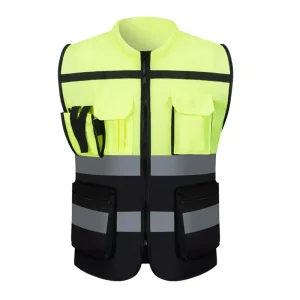
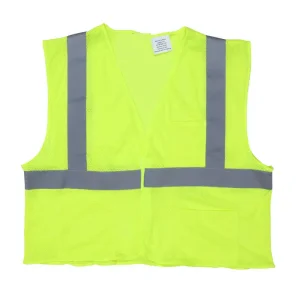
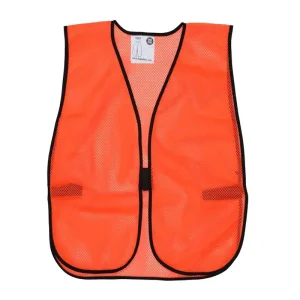
Complete your safety catalog with our secondary line of specialized hi-vis vests, jackets, weather-proof outerwear, and reflective accessories.
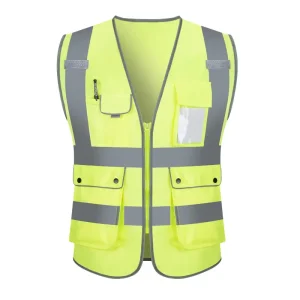
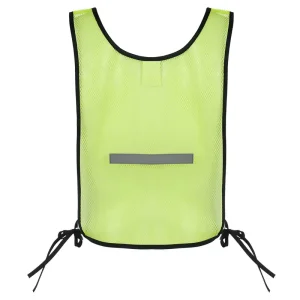
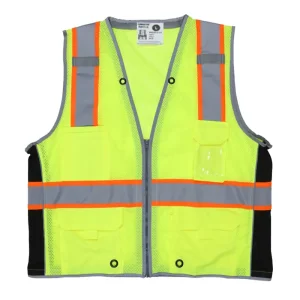
Answers to common technical, manufacturing, and legal compliance questions regarding wholesale high-visibility reflective shirts.
Our standard Minimum Order Quantity (MOQ) is 500 units per color/style for standard ANSI Class 2 or Class 3 configurations. For custom dyed Pantone base fabrics or specialized segmented tape patterns, the MOQ is 1,000 units per run. We also offer sample evaluation rounds prior to mass production.
Adding large screen-printed logos on the chest or back covers part of the certified fluorescent background material. ANSI 107 requires a minimum of 775 sq inches of visible fluorescent background for Class 2 and 1,240 sq inches for Class 3. Our design engineering team calculates exact print dimensions to ensure full legal compliance without compromising your brand placement.
Standard sewn glass bead reflective tape maintains certified photometric levels (>330 cd/lx/m²) for up to 25 domestic wash cycles. Our premium heat-transfer segmented tapes and industrial-grade silver reflective bands are rated for 50+ industrial wash cycles (ISO 6330 at 60°C / 140°F) before any degradation in brightness occurs.
Birdseye Mesh features micro-perforations that maximize air permeability and moisture transport, making it ideal for hot, high-humidity outdoor work environments. Solid Interlock Polyester provides a smoother surface for high-resolution screen printing, superior tear strength, and enhanced UPF 50+ UV protection for all-season use.
Yes. We supply comprehensive testing documentation from accredited independent laboratories (such as TÜV, SATRA, and SGS) confirming compliance with ANSI/ISEA 107-2020, EN ISO 20471, and AS/NZS 1906.4. These certificates are tailored to help distributors win competitive corporate and government tenders.