Explore our initial tier of enterprise-grade, certified high visibility safety apparel engineered for international wholesale distribution and industrial safety tenders.
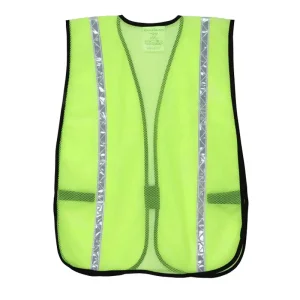
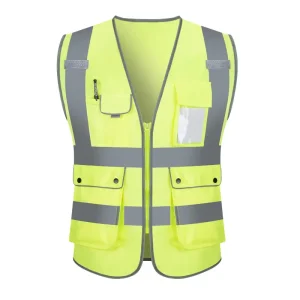
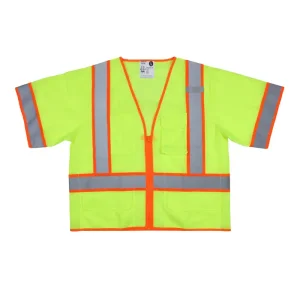
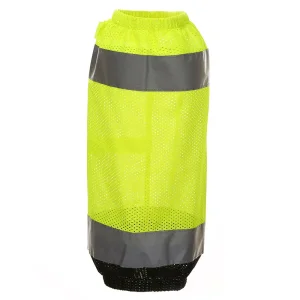
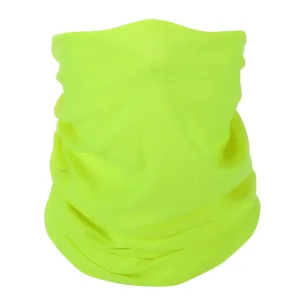
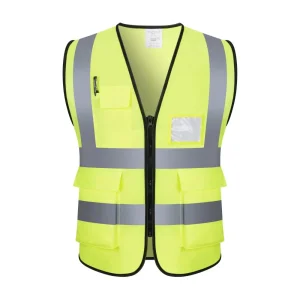
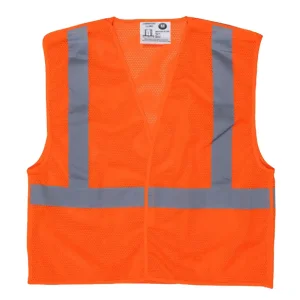

A rigorous engineering comparison regarding biomechanical weight distribution, retroreflective surface coverage, and structural integration with fall arrest systems.
Traditional safety vests serve primarily as loose-fitting external garments intended to provide visual conspicuity in low-risk environments. While effective for simple traffic control, traditional waistcoats exhibit critical engineering limitations when combined with working-at-height harnesses or heavy utility belts.
High Visibility Harnesses represent a specialized fusion of personal protective equipment (PPE). Engineered as either standalone load-bearing ergonomic harnesses or fully integrated fall-protection retroreflective assemblies, they guarantee uninterrupted 360° conspicuity alongside mechanical safety compliance.
Information Gain Insight: According to occupational safety metrics, improper layering of standard vests over fall-arrest harnesses reduces effective retroreflective surface visibility by up to 35% during body articulation. Specialized High Visibility Harness factories engineer pass-through ports and elasticized web channels to ensure compliance with both ANSI/ISEA 107-2020 (Type R/P) and ANSI Z359.11 fall protection criteria simultaneously.
| Standard Certification | Geographic Focus | Class / Type Tier | Min. Base Material Area ($m^2$) | Min. Reflective Material Area ($m^2$) | Key Application Environment |
|---|---|---|---|---|---|
| ANSI/ISEA 107-2020 | North America | Type R, Class 2 | 0.50 (775 sq. in.) | 0.13 (201 sq. in.) | Roadway construction, traffic direction near moving vehicles. |
| ANSI/ISEA 107-2020 | North America | Type R, Class 3 | 0.80 (1240 sq. in.) | 0.20 (310 sq. in.) | High-speed highways, severe weather night maintenance, rail infrastructure. |
| EN ISO 20471:2013 | European Union / UK | Class 2 | 0.50 | 0.13 | Utilities, municipal work, logistics hubs, surveyor applications. |
| EN ISO 20471:2013 | European Union / UK | Class 3 | 0.80 | 0.20 | High-risk civil engineering, airport apron crew, night track work. |
| CSA Z96-15 | Canada | Class 2 / Class 3 | 0.50 / 0.80 | 0.13 / 0.20 | Includes strict X-back pattern requirement on upper torso. |
A comprehensive examination of raw material chemistry, photometric performance, and hardware structural integrity required for high-risk industrial environments.
The core mechanism of high-visibility technology relies on retroreflection—redirecting incident light beams straight back toward the illumination source (e.g., vehicle headlights).
Fluorescent base fabrics convert invisible ultraviolet radiation into visible light, amplifying daytime conspicuity against dense background surroundings.
Hardware on high-visibility harnesses undergoes strict environmental and mechanical strain testing to ensure load retention during sudden impacts.
Why sourcing high visibility harnesses directly from specialized industrial hubs in Zhejiang and neighboring regions provides unmatched cost-efficiency, technical precision, and scaling agility.
China’s PPE manufacturing ecosystems, centered around Yongkang, Jinhua, and Taizhou in Zhejiang province, integrate raw polyester yarn spinning, fluorescent chemical dyeing, microprismatic lamination, and final automated sewing within a 50-kilometer radius.
Modern Chinese factories have transitioned to digital, AI-assisted manufacturing lines equipped with automated laser pattern cutters, robotic sewing cells, and computer-guided bar-tack machines.
By leveraging massive production volumes and standardized component sourcing, Chinese manufacturers offer flexible OEM/ODM capabilities while preserving unbeatable wholesale unit costs.
Key technological shifts reshaping high-visibility protective gear—from active illumination and recycled materials to wearable IoT safety sensors.
Traditional retroreflective materials require external light sources to function. Advanced active illumination harnesses incorporate ultra-flexible LED light strips or side-emitting optical fibers powered by compact, rechargeable lithium-ion battery packs.
ESG compliance and environmental responsibility are driving enterprise procurement teams to seek eco-friendly protective gear options without compromising physical performance.
Industry 4.0 digitizes personal protective equipment by embedding smart sensors into high visibility harness structures for real-time safety monitoring.
Modern high vis harnesses incorporate biomechanical research to minimize fatigue caused by extended wear during long 12-hour shifts.
Specific operational environments mandate distinct high-visibility harness configurations to satisfy safety compliance and worker comfort.
Nighttime track crews and high-speed rail technicians require EN ISO 20471 Class 3 / ANSI Class 3 high visibility harnesses featuring fluorescent orange-red base fabrics for maximum contrast against ballast and foliage.
Container terminal operators work around heavy crane machinery and corrosive saltwater fog. Harnesses require marine-grade corrosion-resistant fittings and dirt-repellent fabrics.
Turbine technicians require combined fall-arrest and arc-flash protection. Harnesses incorporate Nomex webbing and die-electrically coated D-rings tested to ASTM F1506 standards.
For high-speed traffic zones, 5-point breakaway harnesses engineered with hook-and-loop shoulder/side seams prevent workers from being dragged if entangled by passing vehicles.
A step-by-step roadmap for B2B procurement managers to specify, evaluate, and audit wholesale high visibility harness manufacturers.
Define clear tech-pack parameters including targeted standard (ANSI Class 2 vs 3, EN ISO 20471), fabric weight (GSM), tape coefficient ($R_A$), buckle tensile limits, and logo placement zones.
Request pre-production samples. Validate photometric retroreflection after 25 to 50 wash cycles, test fabric color fastness under ISO 105-X12, and conduct buckle impact tests.
Perform BSCI / ISO 9001 factory audits. Implement AQL 1.5 pre-shipment inspections to verify stitching density (SPI 7-9 stitches/inch) and HS Code classifications for optimized import duty tariffs.
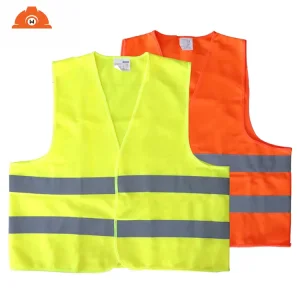
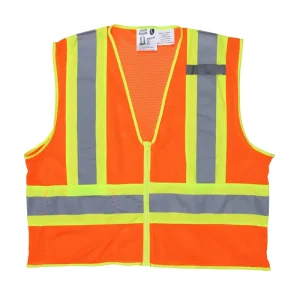
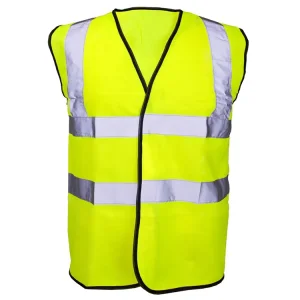
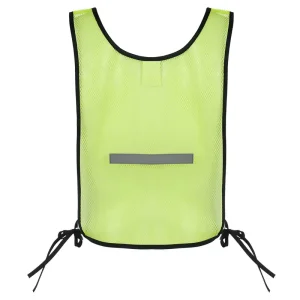
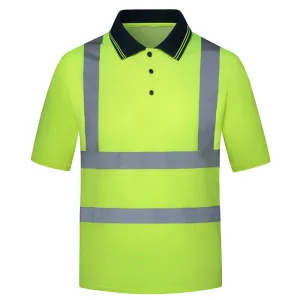
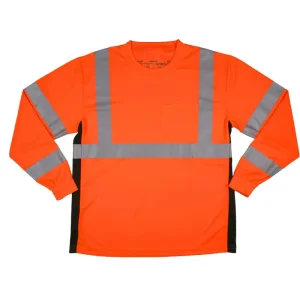
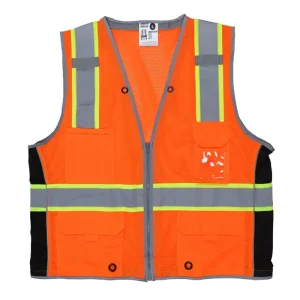
Explore our additional tier of safety vests, high-visibility shirts, and specialized reflective accessories engineered for global distribution.

In-depth responses regarding high visibility harness manufacturing, international safety standards, and wholesale procurement parameters.