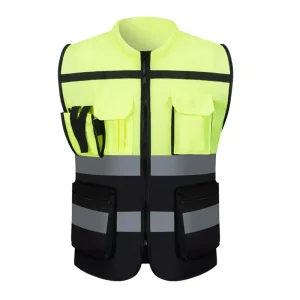
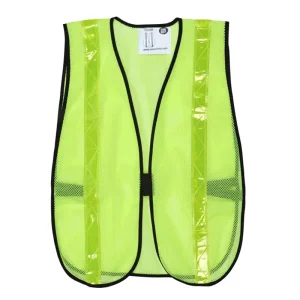
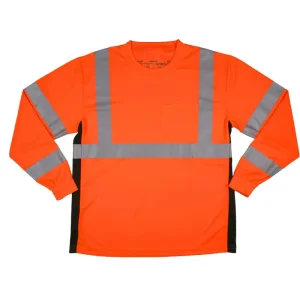
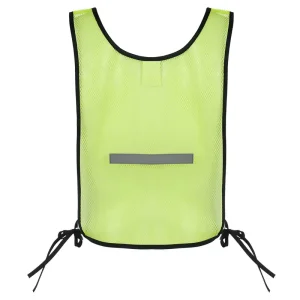
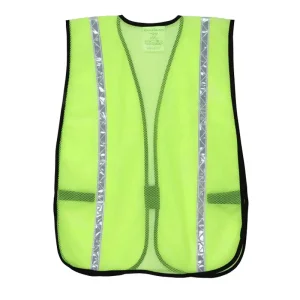
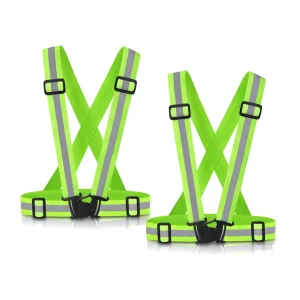
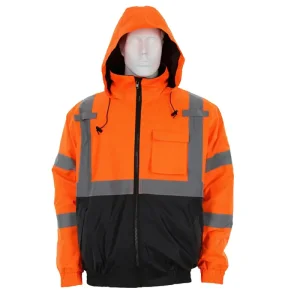
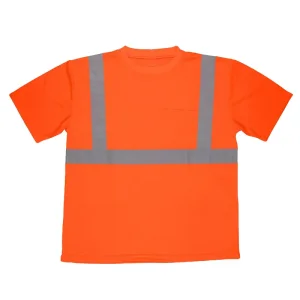
Explore our flagship high-visibility workwear engineered with advanced retroreflective technologies, compliant with ANSI/ISEA 107 and EN ISO 20471 global standards.
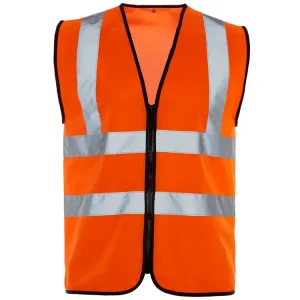
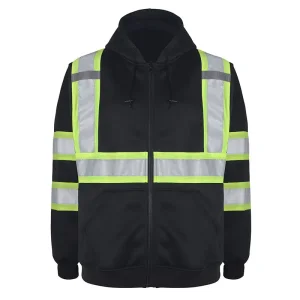
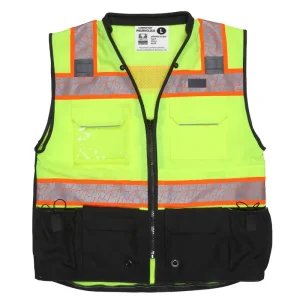
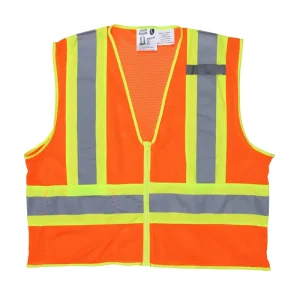
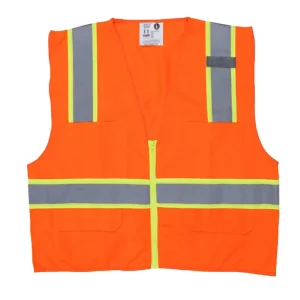
In modern industrial operations—spanning oil & gas refining, electrical utility maintenance, petrochemical processing, and heavy infrastructure—workforce protection requires a sophisticated, integrated approach to personal protective equipment (PPE).
Protection against flash fire, electric arc flash, and radiant heat thermal exposure using advanced self-extinguishing fiber blends engineered to prevent garment ignition and second/third-degree burn injury propagation.
Integration of fluorescent background fabrics (Fluorescent Yellow-Green, Orange-Red) with premium retroreflective element arrays for 24/7 visibility under harsh weather, smoke, and low-light environments.
Fully compliant with dual regulatory standards including NFPA 2112, NFPA 70E (Arc Flash CAT 2 / CAT 3), ANSI/ISEA 107 Class 3, EN ISO 20471 Class 3, and EN ISO 11612 international standards.
Information Gain Metric: Traditional safety workwear forces procurement teams to choose between standalone thermal resistance or visual conspicuity. Next-generation Dual-Hazard High Visibility FR Jackets bridge this gap through multi-layer textile lamination, non-conductive hardware design, and inherently flame-retardant retroreflective tapes, lowering overall workplace hazard exposure indices by up to 74% in complex industrial risk zones.
Analysing the structural shift in corporate PPE procurement, environmental compliance mandates, and supply chain resilience for enterprise buyers across North America, Europe, and Asia-Pacific.
Regulatory bodies worldwide, including OSHA (1910.269), EU PPE Regulation (2016/425), and Safe Work Australia, have implemented stringent mandatory safety protocols. Enterprise employers face severe legal penalties and reputational risk if PPE fails to provide verified multi-hazard compliance, driving long-term demand for audited factory-direct manufacturing partners.
The global market is rapidly transitioning from chemically treated FR fabrics (such as treated cottons) to Inherently Flame-Retardant (IFR) synthetic matrix fibers (Aramid, Modacrylic, Polybenzimidazole blends). IFR materials retain flame-resistant properties throughout the life of the garment, unaffected by industrial laundering cycles.
Modern ESG (Environmental, Social, and Governance) targets require industrial buyers to source eco-responsible PPE. Factories are adopting PFAS-free Durable Water Repellent (DWR) coatings, OEKO-TEX Standard 100 certified dyes, and energy-efficient textile weaving processes to reduce carbon footprints across global supply chains.
Understanding the tri-layer physical matrix and thermal degradation mechanics that power high-performance flame-retardant safety jackets.
Engineered with high-tenacity Nomex® / Modacrylic / Cotton ripstop weave (typically 7.5 oz/yd² to 9.0 oz/yd²). Features inherent carbon charring mechanics when exposed to direct flame, creating an insulating thermal barrier that prevents melt-drip hazard onto wearer skin.
Semi-permeable flame-retardant ePTFE/PU membrane providing hydrostatic head resistance exceeding 10,000mm while allowing body heat and moisture vapor transfer (>6,000 g/m²/24h), keeping workers dry in extreme weather environments.
Heat-applied segmented flame-resistant glass-bead retroreflective tape (e.g., 3M™ Scotchlite™ FR or Reflomax FR). Segmented geometry ensures zero restriction of fabric flexibility, breathability, and structural elasticity.
A comparative evaluation of primary flame-retardant textile technologies deployed in wholesale high-visibility FR jacket manufacturing.
| Material Metric | Inherently FR Modacrylic Blend | Aramid (Nomex® / Kevlar®) | Treated FR Cotton (Pyrovatex/Proban) |
|---|---|---|---|
| Thermal Protection Performance (TPP) | Very High (28 - 35 cal/cm²) | Extreme (38+ cal/cm²) | Moderate to High (18 - 25 cal/cm²) |
| Laundering Durability | Lifetime of Garment (100+ washes) | Lifetime of Garment (100+ washes) | 50 - 75 Washes (Degrades over time) |
| High Visibility Dye Affinity | Excellent (Bright Fluorescent Lime/Orange) | Moderate (Requires blended carrier) | Good (Fluorescent shades fade faster) |
| Breathability & Wearer Comfort | Superior Moisture Management | Moderate (Stiff texture profile) | High Softness & Breathability |
| Total Cost of Ownership (TCO) | Optimal Balance (Highest ROI) | Premium Investment | Low Initial Cost / Higher Replacement Rate |
Providing tailored high-visibility FR jacket manufacturing solutions designed to meet corporate brand identity, localized regional standards, and bulk procurement logistics.
Selection of heavy-duty non-conductive YKK® FR zippers, concealed brass snap closures, storm flaps with FR Velcro® strips, and insulated dielectric snaps ensuring no spark or conduction risk during electrical discharge events.
Application of certified flame-retardant embroidery threads (Aramid), direct FR screen printing, and heat-applied flame-resistant corporate logos without compromising the garment's NFPA 2112 compliance tag.
Options for removable 3-in-1 inner linings, including quilted FR fleece, Thinsulate™ FR insulation, or anti-static grid fleece for sub-zero operating conditions across arctic or winter field deployments.
Optimized FOB/CIF shipping options, customs harmonization code management (HS Code 6203.33 / 6201.93), and consolidated warehouse distribution support for seamless international logistics delivery.
Our high-visibility flame-retardant jackets are manufactured and certified to align with regional safety standards across international trade zones.
• ANSI/ISEA 107-2020: High-Visibility Safety Apparel (Type R, Class 2 & Class 3).
• NFPA 2112: Flame-Resistant Clothing for Protection of Industrial Personnel Against Short-Duration Thermal Exposures from Fire.
• NFPA 70E / ASTM F1506: Electrical Safety in the Workplace & Arc Flash PPE Category 2, 3, 4 compliance.
• EN ISO 20471:2013+A1:2016: High Visibility Clothing (Class 3 certification).
• EN ISO 11612:2015: Protective Clothing Against Heat and Flame.
• EN 1149-5:2018: Electrostatic Properties (Anti-static protection for explosive ATEX environments).
• IEC 61482-2: Live Working - Protective Clothing Against Thermal Hazards of an Electric Arc.
• AS/NZS 1906.4:2010: High Visibility Materials for Safety Attire.
• AS/NZS 4602.1:2011: High Visibility Safety Garments for High Risk Applications (Class D/N for Day/Night operational use).
• AS 4824: Protective Clothing for Wildland Firefighting.
Pioneering smart wearable integrations and next-generation protective fabric developments for high-hazard work environments.
Integration of ultra-thin, flexible LED light strips directly embedded into FR jacket seams, providing active illumination for workers in absolute darkness independently of external light source retroreflection.
Development of conductive thread circuits capable of connecting micro-sensors for real-time monitoring of toxic gas concentrations (H2S, CO), ambient temperature spikes, and wearer biometric distress indicators.
Synthesizing hollow-core aramid microfibers to achieve high Arc Thermal Performance Value (ATPV ≥ 40 cal/cm²) while reducing total garment weight by 35%, significantly improving worker ergonomics and heat stress management.
Pioneering closed-loop recycling systems for inherently flame-retardant polymers, enabling end-of-life workwear to be re-polymerized into high-strength safety yarns without thermal degradation.
With over 15 years of OEM/ODM manufacturing expertise, Yongkang Wow Safety Products Co., Ltd. operates a modern 6,000 m² production facility based in Jinhua City, Zhejiang, China. Equipped with advanced automated cutting machines, heavy-duty seam sealing units, and digital pattern design software, our 150+ skilled workforce supplies certified high-visibility reflective clothing and protective workwear to enterprise procurement teams across 50+ countries worldwide.
End-to-end quality inspection from incoming fabric batch tensile testing to spectrophotometer retroreflectivity verification before container shipment loading.
Dedicated rapid prototyping division capable of producing custom sample garments within 5 to 7 working days based on client technical drawings or sample originals.
Established supply chain partnerships with major shipping lines and freight forwarders, ensuring reliable delivery schedules across North America, Europe, Australia, and the Middle East.
Addressing key procurement, technical specification, certification, and washing protocol questions for B2B buyers.
ATPV (Arc Thermal Performance Value) measures the maximum incident energy resistance of a fabric before there is a 50% probability of second-degree burn injury (expressed in cal/cm²), used primarily for NFPA 70E Arc Flash compliance. TPP (Thermal Protective Performance) measures a fabric's total insulation ability against convective and radiant heat during a flash fire event under NFPA 2112 testing. Premium wholesale FR jackets are dual-rated to meet both ATPV (e.g., ≥ 12 cal/cm² CAT 2) and TPP (≥ 20 cal/cm²) performance thresholds.
Yes, but all logo materials must strictly adhere to NFPA 2112 and ANSI Class 3 standards. Non-FR vinyl heat transfers or standard polyester threads can ignite and melt during heat exposure. We utilize inherently flame-retardant Aramid threads for custom logo embroidery and certified FR transfer prints that maintain the integrity of the garment’s fire-resistant barrier.
Our inherently flame-retardant (IFR) Modacrylic and Aramid blended jackets maintain their FR performance for the entire life cycle of the garment (certified up to 100 industrial wash cycles). The retroreflective tape and fluorescent dyes are tested to preserve compliance with ANSI/ISEA 107 Class 3 and EN ISO 20471 for a minimum of 50 to 75 industrial wash cycles when laundered according to ISO 6330 / ISO 15797 guidelines.
For standard high-visibility safety jackets, our baseline factory MOQ starts at 500 units per style. For specialized Inherently FR (IFR) custom-dyed fabrics or custom-engineered jacket patterns, the MOQ typically ranges between 1,000 to 1,500 units depending on raw fabric weaving run requirements. Flexible trial order allocations are available for qualified enterprise distributors.
Yes, jackets configured with anti-static grid fibers (such as Nega-Stat® or Belltron® carbon filaments) meet EN 1149-5 electrostatic dissipation requirements. This prevents static spark accumulation, making them fully compliant and safe for operation in ATEX Zone 1 and Zone 2 hazardous petrochemical and gas environments.
Every bulk order shipment is delivered with comprehensive compliance documentation, including independent third-party lab test reports (UL, SGS, SATRA, or BSI certified) for ANSI/ISEA 107, NFPA 2112, NFPA 70E, and EN ISO 20471. Certificates of Conformance (CoC) and raw fabric batch inspection records are attached with shipment customs paperwork.
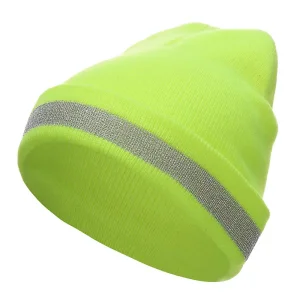
Discover our extended line of high-visibility protective wear, shirts, vests, rainwear, and reflective accessories manufactured for global safety suppliers.