Direct factory supply engineered to meet stringent ANSI/ISEA, EN ISO 20471, and AS/NZS compliance metrics.
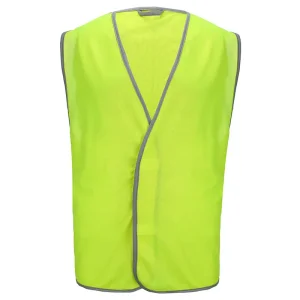
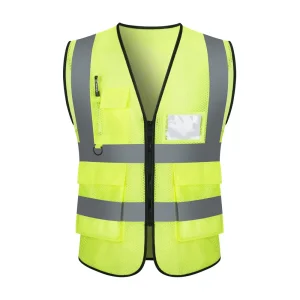
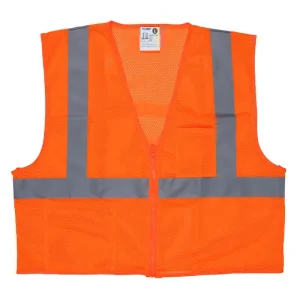
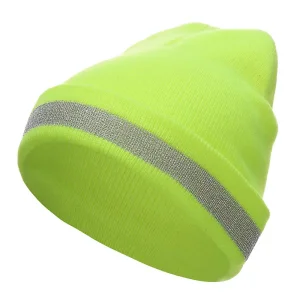
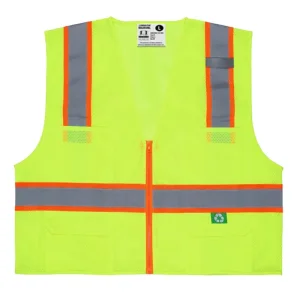
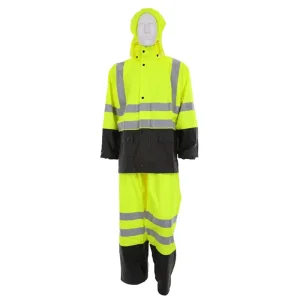
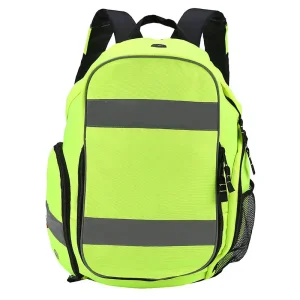
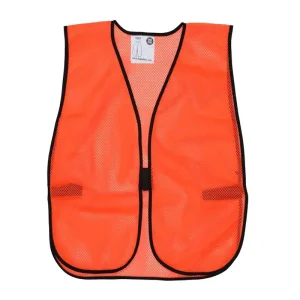
Understanding retroreflection optics, compliant textile engineering, and ergonomic design parameters for occupational safety compliance.
High-visibility reflective shirts rely on advanced retroreflective materials featuring millions of wide-angle micro-glass beads embedded in a durable resin layer. These beads redirect incident light beams directly back toward the light source—such as vehicle headlights—maximizing wearer detection distance up to 1,000 feet in low-light environments.
The background fabric must conform to precise CIE chromaticity and luminance factor guidelines defined by ANSI/ISEA 107 and EN ISO 20471. Utilizing high-grade fluorescent yellow-green, orange-red, and red dyes, our textiles convert invisible UV light into visible radiation, creating extreme contrast during daytime, twilight, and overcast conditions.
Industrial shirt manufacturing incorporates moisture-wicking 100% polyester bird's-eye mesh and microporous knits. By facilitating immediate sweat evaporation and heat dissipation, workers maintain optimal core temperature while adhering to strict job-site PPE mandates during demanding physical labor.
E-E-A-T Technical Benchmark: A high-performance hi-vis shirt must strike a technical balance between surface reflectance coefficient ($R_A \ge 330 \text{ cd/lx/m}^2$) and structural fabric integrity. Yongkang Wow Safety Products Co., Ltd. implements automated heat-transfer segmented tape technology that maintains flexibility while preserving full compliance after 50+ rigorous industrial laundering cycles.
| Compliance Class | Minimum Background Fabric | Minimum Retroreflective Tape | Primary Target Industry Use Cases |
|---|---|---|---|
| ANSI/ISEA 107 Class 2 | 0.50 m² (775 sq. in.) | 0.13 m² (201 sq. in.) | Construction managers, traffic direction, parking attendants, warehouse logistics. |
| ANSI/ISEA 107 Class 3 | 0.80 m² (1240 sq. in.) | 0.20 m² (310 sq. in.) | Highway infrastructure, emergency response teams, night utility crews, railway workers. |
| EN ISO 20471 Class 2 | 0.50 m² | 0.13 m² | European municipal works, courier networks, airport ground support personnel. |
| EN ISO 20471 Class 3 | 0.80 m² | 0.20 m² | High-speed roadway maintenance, heavy engineering plants, severe weather operations. |
Leveraging the Jinhua & Yongkang textile cluster to deliver cost leadership, rapid throughput, and custom OEM precision.
Our manufacturing plant in Yongkang, Zhejiang operates within China's premier safety equipment manufacturing hub. This proximity allows immediate access to specialized raw material suppliers—including GRS-certified recycled yarn spinners, high-visibility fluorescent dye mills, and 3M-equivalent retroreflective film producers. This geographic concentration minimizes supply chain friction, shortens lead times, and stabilizes material acquisition costs.
We utilize automated CAD laser cutters to eliminate edge fraying and guarantee millimetric consistency across multi-size production runs. Coupled with double-needle flatlock seam sewing machines, our hi-vis shirts demonstrate superior tensile strength (exceeding 250N seam tear resistance) to withstand intense operational stress in heavy industrial environments.
From ESG sustainability commitments to smart safety integration, explore how safety apparel is evolving.
Global enterprise buyers are rapidly phasing out virgin polyester in favor of recycled polyethylene terephthalate (rPET) derived from post-consumer plastic bottles. Our eco-friendly hi-vis shirt product lines utilize GRS-certified recycled yarns that reduce carbon emissions by up to 30% while retaining full chromaticity and high-visibility performance.
Traditional continuous solid reflective strips create stiffness and restrict garment stretch. The industry has shifted toward heat-applied, segmented micro-gap reflective patterns. This design improves fabric breathability, dynamic flexibility, and wearer movement without compromising certified surface area visibility.
Modern work environments demand versatile, multi-hazard safety gear. High-visibility shirts are now frequently engineered with secondary protective qualities, such as inherent Flame-Retardant (FR) properties, Anti-Static (ESD) threads, and UPF 50+ ultraviolet protection for extreme outdoor work environments.
Tailored hi-vis shirt configurations optimized for specific operational hazards and environmental stressors.
Requirement: Heavy physical wear, high dirt contact, constant proximity to traffic.
Solution: Two-tone Class 2/3 reflective shirts with dark navy/black bottom panels to mask grease and soil, combined with breathable bird's-eye polyester and 360-degree reflective body striping.
Requirement: Indoor thermal comfort, flexibility, tear resistance.
Solution: Lightweight 130 GSM moisture-wicking short-sleeve polo shirts with soft flat-seam construction and break-away mic tabs for radio communications.
Requirement: Arc flash protection, thermal flame resistance, low static electricity.
Solution: Modacrylic/Cotton blend knitted hi-vis shirts with non-conductive, inherent flame-resistant retroreflective heat transfer strips conforming to NFPA 2112 and EN ISO 11612 standards.
Critical quality parameters to evaluate when selecting a wholesale high-visibility apparel manufacturer.
Ensure manufacturer test reports are issued by accredited international testing bodies (such as SATRA, SGS, TÜV, or UL). Certification documents must cover both fluorescent background fabric luminance/colorfastness (ISO 105-B02) and retroreflective tape photometric performance after standard and industrial laundering.
Evaluate micro-glass bead degradation under heat and mechanical abrasion. Standard safety shirts withstand 25 wash cycles, whereas premium OEM grades engineered by Wow Safety support 50+ wash cycles at 60°C without delamination or falling below $100 \text{ cd/lx/m}^2$ reflection.
Select a partner capable of executing silkscreen logo printing, heat-seal transfers, and woven badge attachment without violating compliant background surface area metrics under ANSI Class 2 or Class 3 parameters.
Verify factory compliance with ethical manufacturing benchmarks through BSCI (Business Social Compliance Initiative), SEDEX SMETA, or ISO 9001 Quality Management System certifications.
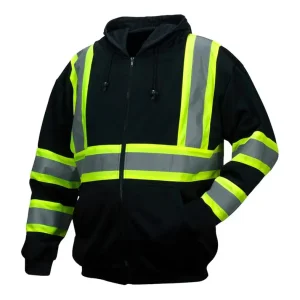
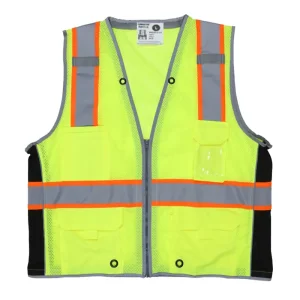
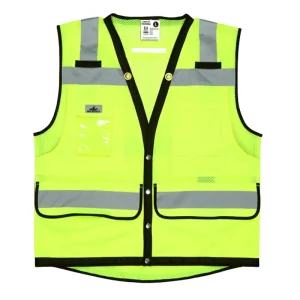
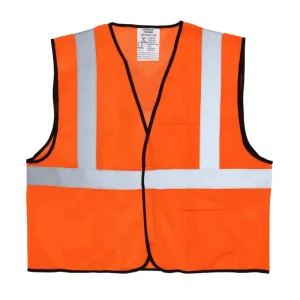
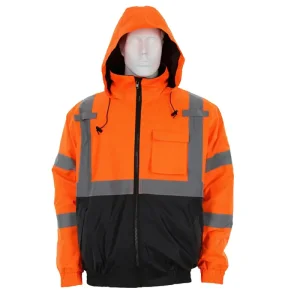
Explore our broader wholesale line of high-visibility jackets, hoodies, rainy-weather suits, and safety gear accessories.
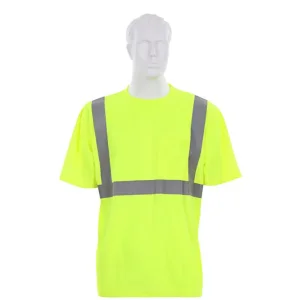
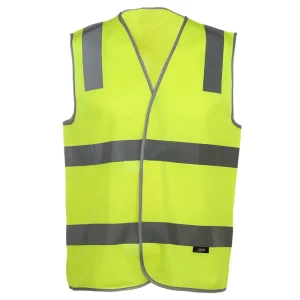
Answers to essential technical, logistics, customization, and certification queries for B2B buyers.
Our standard MOQ for OEM custom reflective shirts is 500 pieces per style/colorway. For catalog standard designs featuring custom screen-printed corporate logos, we offer flexible low-MOQ programs starting at 200 units to accommodate trial orders and regional distributors.
ANSI Class 2 shirts require a minimum of 775 sq. inches of fluorescent background fabric and 201 sq. inches of retroreflective tape, making them suitable for traffic under 50 mph. Class 3 shirts require 1,240 sq. inches of background fabric and 310 sq. inches of tape, requiring full sleeves with reflective encircling bands for high-speed roadway and high-hazard environments.
Yes. Custom logos can be integrated via screen printing, vinyl heat transfer, or embroidery. However, the logo placement must avoid covering essential retroreflective tape areas and must not exceed maximum square inch thresholds that would reduce the compliant background fabric area below mandatory safety standards.
For warm and humid climates, we recommend our 130–150 GSM 100% Polyester Birdseye Knit mesh. This specialized fabric incorporates micro-perforated channels that enhance convective air-cooling while rapidly wicking perspiration away from the skin surface.
We specify heat-transfer retroreflective tapes bonded with high-durability polyurethane adhesive layers. Every batch undergoes rigorous accelerated washing tests in accordance with ISO 6330 standards, ensuring retroreflection remains above $100 \text{ cd/lx/m}^2$ even after 50 wash cycles at 60°C.
Standard mass production lead time is 25 to 35 calendar days following pre-production sample approval and deposit receipt. Expedited 15-day manufacturing runs are available for established recurring B2B partners.