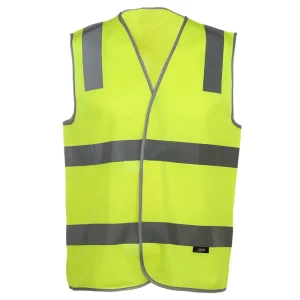
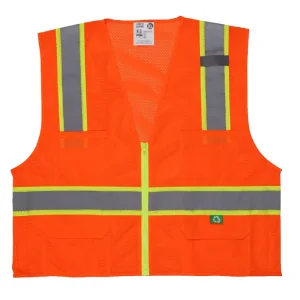
China High Visibility Reflective Lime Orange Safety Vest Supplier, Factories
View Specifications


Engineered with advanced inherent flame-retardant fibers, glass-bead retro-reflective tapes, and high-visibility fluorescent background fabrics. Explore our primary OEM/ODM program offerings below.
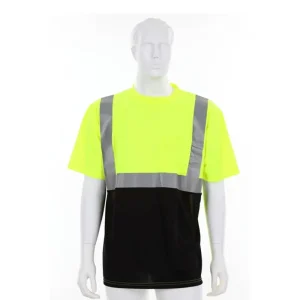
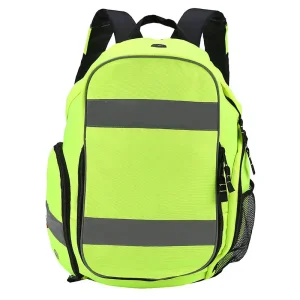
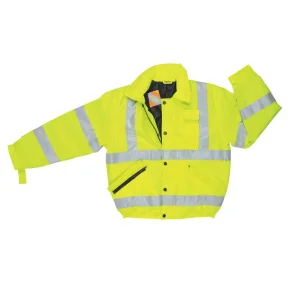
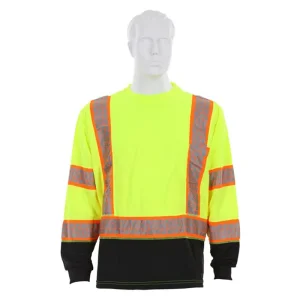
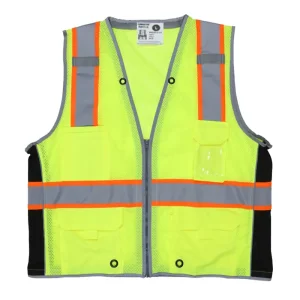
In modern industrial operations, work environments rarely present isolated thermal or optical risks. Heavy utility infrastructure, petrochemical processing, electric arc flash zones, and offshore energy extraction demand garments that perform flawlessly across two critical survival vectors: Flame Resistance (FR) and High Visibility (Hi-Vis).
This technical whitepaper outlines the structural material science, manufacturing methodologies, regulatory frameworks (ANSI/ISEA 107-2020, EN ISO 20471:2013+A1, NFPA 2112, NFPA 70E, ASTM F1506), and OEM/ODM procurement strategies for industrial buyers sourcing high-grade FR Hi-Vis protective apparel directly from Tier-1 Chinese manufacturing facilities.
Industrial enterprise sourcing requires customized fabric engineering based on environmental exposure vectors. Below is our structural breakdown of tailored dual-hazard garment configurations across heavy industrial sectors.
High-voltage line maintenance and sub-station engineering require non-conductive, arc flash resistant garments. Our solutions integrate modacrylic-cotton blends with heat-resistant aramid threads to guarantee ATPV Category 2 (8.0+ cal/cm²) performance while providing Class 3 hi-vis coverage for night roadside work.
Flash fire hazards combined with heavy vehicle movement call for inherent FR fabrics (such as Nomex® or Modacrylic multi-blends) treated with anti-static grid wiring (EN 1149-5). Water and oil-repellent finishes prevent liquid fuel absorption into the garment structure.
Trackside crews and tunneling engineers require extreme abrasion resistance alongside RIS-3279-TOM rail compliance (fluorescent orange). High-tensile FR treated cotton-poly weaves ensure tear resistance against sharp machinery while sustaining high contrast in dark subterranean shafts.
The global high-visibility and flame-resistant workwear market is undergoing a rapid transition toward unified regulatory compliance. Procurement teams are bypassing intermediary brokers in favor of OEM factories capable of delivering certified, batch-tested protective garments directly from primary textile production hubs.
Regulatory bodies including OSHA in North America and the European Chemicals Agency (ECHA) under Regulation (EU) 2016/425 have increased mandatory penalties for non-compliant workwear. Importers must verify full traceability from raw fiber polymer to retro-reflective tape adhesion. Sourcing directly from Yongkang Wow Safety Products guarantees total batch traceability, third-party lab documentation, and verified ISO 9001 quality audits.
In commercial industrial laundering contracts, cheap treated garments degrade after 10-15 wash cycles, leading to premature replacement costs. Inherent Flame Resistant (IFR) fibers and premium micro-prismatic FR reflective tapes retain compliance across 50 to 100 industrial wash cycles at 60°C. Sourcing high-spec FR Hi-Vis gear reduces annual procurement costs by up to 35% through extended product lifespans.
Understanding the polymer physics behind flame resistance and optical retro-reflection is vital for corporate safety directors and B2B buyers when drafting technical procurement bids.
Inherent FR polymers (e.g., Modacrylic, Nomex®, Kevlar®) possess flame extinguishing properties within their molecular backbone. When exposed to extreme flame or arc flash temperatures, the fibers char instantly, forming a protective carbon barrier that insulates the skin without melting or dripping.
Long-staple natural cotton treated with phosphorus-based chemical cross-linking agents provides exceptional breathability and soft hand-feel. Ideal for hot climate applications where heavy synthetic armors cause heat exhaustion, maintaining FR protection up to 50 domestic wash cycles.
Combining flame resistance with night-time retro-reflection requires glass-bead or micro-prismatic optics backed by meta-aramid fabric carriers. These 3M Scotchlite® or proprietary equivalent tapes bounce vehicle headlights directly back to the driver's line of vision while withstanding 500°F (260°C) thermal exposure tests.
| Fabric Family | Composition | Weight (GSM) | FR Standard | Hi-Vis Class | Arc Flash CAT |
|---|---|---|---|---|---|
| Pro-Tech FR Knit | 60% Modacrylic / 40% Cotton | 180 - 220 GSM | NFPA 2112 / EN 11612 | ANSI Class 2 / EN ISO 20471 | CAT 2 (8.4 cal/cm²) |
| Tough-Shield Woven | 88% FR Cotton / 12% High-Tenacity Nylon | 250 - 350 GSM | ASTM F1506 / NFPA 70E | ANSI Class 3 / EN ISO 20471 | CAT 2 (12.1 cal/cm²) |
| Aramid Extreme | 93% Nomex® / 5% Kevlar® / 2% Anti-Static | 150 - 200 GSM | EN ISO 11612 / EN 1149-5 | ANSI Class 2 / EN ISO 20471 | CAT 1 (5.8 cal/cm²) |
| Hydro-Guard Weather | 300D FR Oxford Polyester with Flame-Retardant PU Coating | 300 - 380 GSM | EN 343 / NFPA 2112 Proof | ANSI Class 3 / EN ISO 20471 | CAT 3 Weather Outer |
Exporting protective workwear requires absolute adherence to regional labor safety mandates. Yongkang Wow Safety Products supports clients with full third-party batch test certification across North America, Europe, Australia, and the Middle East.
See how our technical FR Hi-Vis protective lines operate in critical frontline environments globally.
Constant ocean spray and potential gas pocket ignition require seam-sealed waterproof FR rainwear with salt-spray resistant zippers and 360-degree high-luminance tape layout.
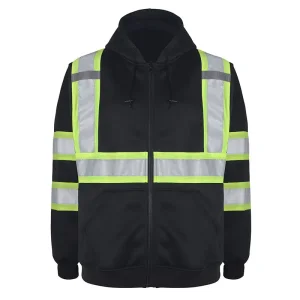
Technicians performing live transformer maintenance wear Category 2 and Category 4 arc-rated FR hoodies and coveralls with non-conductive plastic hardware.
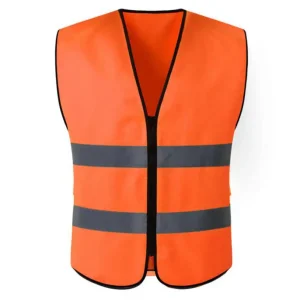
Road crews operating near 70 mph traffic require Class 3 high-contrast vests featuring 4-inch contrast tape layout (orange on silver) for rapid motorist visual identification.
Dock workers transferring volatile liquids utilize anti-static grid FR short-sleeve polo shirts and lightweight anti-static hi-vis waistcoats.
Yongkang Wow Safety Products invests heavily in next-generation textile R&D. Our engineering roadmap focuses on three key technological breakthroughs for future industrial protective wear.
Integrating active LED/Electroluminescent strip lighting powered by lightweight, spark-safe battery packs into traditional passive retro-reflective tape, ensuring worker visibility even in total darkness without headlight reflection.
Replacing petrochemical synthetic yarns with recycled polyester (rPET) infused with halogen-free bio-mineral flame retardants, reducing carbon footprint by 40% while preserving EN ISO 11612 compliance.
Utilizing graphene atom layers within fabric coatings to distribute arc thermal kinetic energy evenly across the garment, reducing total weight by 25% while boosting ATPV ratings.
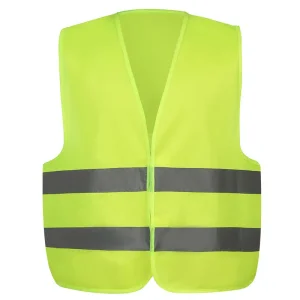
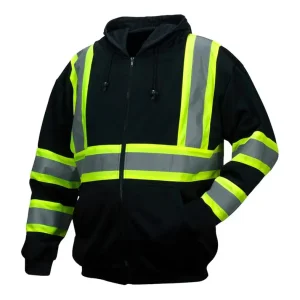
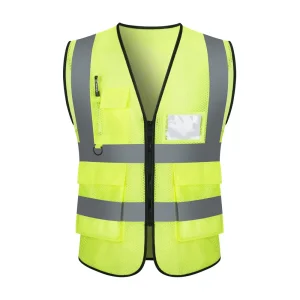
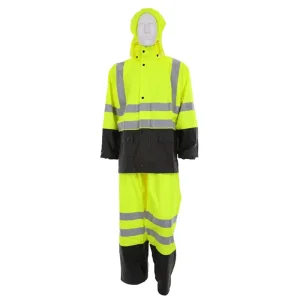
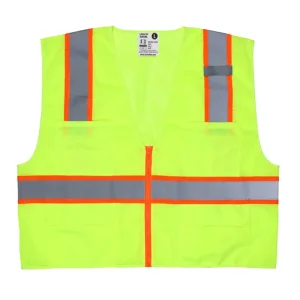
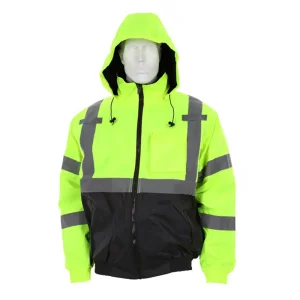
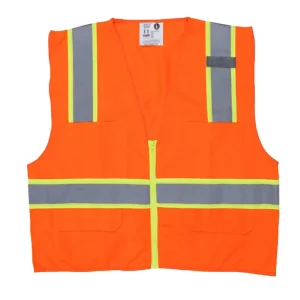
Comprehensive solutions covering ANSI Class 2/3 vests, fleece hoodies, polyurethane rain suits, and eco-friendly protective gear.
Direct answers from our garment engineering and international compliance team.
Ready to optimize your protective apparel supply chain? Request tech packs, fabric swatch cards, or direct factory quotation from our engineering team today.