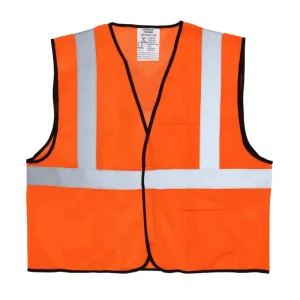
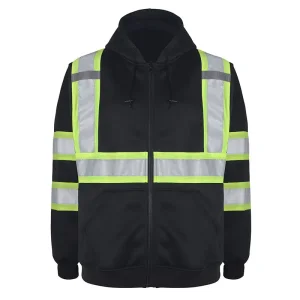
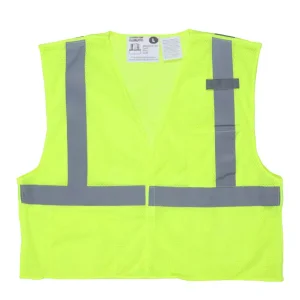
Direct factory wholesale catalogue engineered for industrial construction, roadwork, traffic management, and municipal safety compliance.
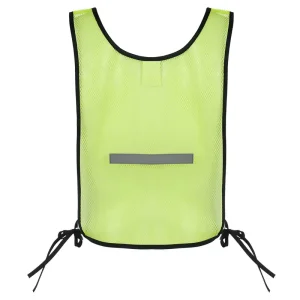
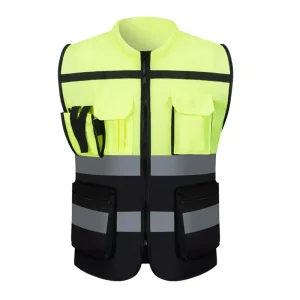
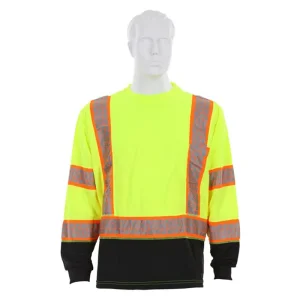
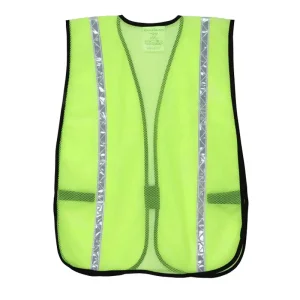
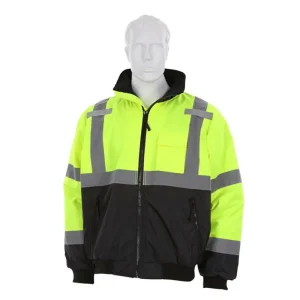
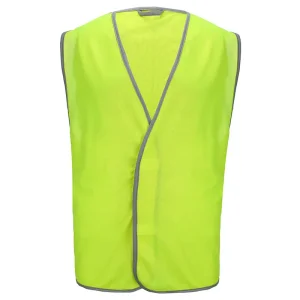
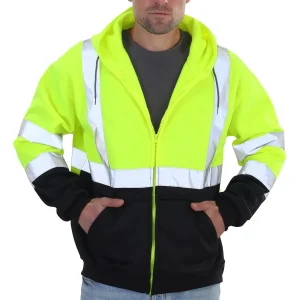
In the global occupational safety ecosystem, Personal Protective Equipment (PPE) serves as the primary technical line of defense against workplace injury and fatality. Among high-visibility safety workwear, Class 2 Safety Vests hold a dominant market share across civil engineering, road construction, railway maintenance, utility service operations, and logistics hubs. According to recent industrial market intelligence, the global high-visibility clothing market is projected to surpass $3.8 billion by 2030, driven by stringent regulatory frameworks enforced by agencies such as the U.S. Occupational Safety and Health Administration (OSHA), the European Agency for Safety and Health at Work (EU-OSHA), and Safe Work Australia.
Class 2 high-visibility garments are specifically designed for personnel working in environments where traffic or equipment speeds exceed 25 mph (40 km/h) but remain below 50 mph (80 km/h), or where personnel operate in proximity to moving heavy machinery under complex visual conditions. Sourcing from a specialized wholesale Class 2 safety vest supplier and factory requires more than evaluating unit price; it demands a deep technical understanding of photometric retroreflection, micro-prismatic physics, fluorescent fabric colorimetry (chromaticity coordinates), tensile strength, wash-durability degradation, and cross-border regulatory compliance.
As global procurement heads, safety gear distributors, and government contract bidders navigate volatile supply chains and heightened compliance scrutiny, partnering directly with experienced manufacturing factories in China—such as Yongkang Wow Safety Products Co., Ltd.—offers a strategic combination of manufacturing scale, technical customizability, rapid prototyping, and unmatched cost efficiency.
The functional performance of a Class 2 safety vest relies on the synergy between two essential optical components: fluorescent base materials for daytime conspicuity and retroreflective tape systems for low-light and nighttime visibility. Advanced manufacturing factories are transitioning from conventional materials toward high-performance composite textiles and micro-prismatic optical structures.
Traditional glass-bead technology utilizes microscopic glass spheres embedded in a resin layer to reflect light back to its source. Modern Class 2 safety vests increasingly integrate micro-prismatic acrylic coatings. Micro-prismatic structures return up to 80% of incident light directly to the driver's sightline, maintaining photopic performance exceeding 500 cd/lux/m² even under heavy rainfall.
Heat fatigue is a major factor in worker non-compliance in high-temperature environments. Advanced factories utilize open-weave warp-knitted 100% polyester mesh (ranging from 110 GSM to 160 GSM) featuring hydrophobic capillaries. This engineered structure accelerates evaporative cooling without sacrificing the structural integrity required to support heavy multi-pocket utility loads.
For utility technicians and electrical contractors exposed to arc flash hazards, standard nylon zippers and conductive metal fasteners present serious risks. Leading factories incorporate non-conductive dielectric resin zippers, FR-treated cotton/modacrylic blend fabrics, and heat-applied transfer retroreflective tapes that comply with NFPA 70E and ASTM F1506 standards.
Occupational hazard profiles vary substantially across geographic regions, climate zones, and industry sectors. A standardized safety vest fails to provide optimal protection across diverse operational settings. B2B buyers must align garment specifications with localized environmental conditions and operational risks.
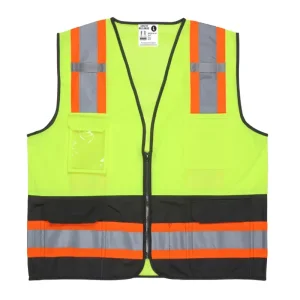
In North America, Department of Transportation (DOT) project contractors require strict adherence to ANSI/ISEA 107-2020 Type R Class 2 compliance. Crews operating in high-density urban environments require vests equipped with 5-point breakaway mechanisms (shoulders, sides, and front closure). This feature prevents workers from being pulled into moving equipment or passing vehicles if the garment is caught. Vests tailored for this market feature dual mic tabs, transparent ID badge holders, and heavy-duty radio pockets.
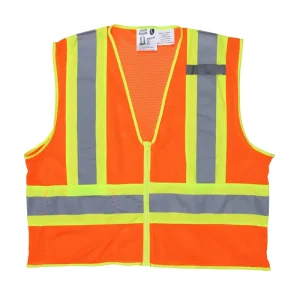
European work environments regulated by EN ISO 20471:2013+A1:2016 Class 2 mandate specific geometric placement of 50mm retroreflective bands around the torso. Vests destined for European port facilities, railway terminals, and municipal sanitation fleets prioritize ergonomic movement, lightweight breathable mesh fabrics, and high-visibility contrast piping (Fluorescent Yellow-Green paired with Navy or Black bases) to mask dirt while maintaining compliance.
Operational sites across Australia and New Zealand compliant with AS/NZS 4602.1:2011 demand extreme UV resistance, colorfastness under intense solar radiation, and specialized "Hoop & Harness" or "X-Back" retroreflective strip configurations. In desert mining or infrastructure projects, vests feature reinforced stitching, ultra-breathable mesh back panels, and heavy-duty self-locking zippers designed to withstand ambient temperatures exceeding 45°C (113°F).
Airport tarmac personnel work under dynamic, multi-directional lighting created by floodlights, taxiway beacons, and aircraft landing lamps. Vests used in ground handling feature dual-color contrast tape (such as silver tape set against 4-inch fluorescent orange backings), non-magnetic non-scratch closures to prevent Foreign Object Debris (FOD) hazards, and clear vinyl chest slots for airfield security passes.
Global PPE procurement managers face continuous pressures surrounding lead times, MOQ flexibility, quality stability, and price competitiveness. Sourcing directly from an established China safety vest manufacturer provides distinct structural advantages derived from mature industrial cluster dynamics.
Located in Yongkang, Jinhua City, Zhejiang Province, Yongkang Wow Safety Products Co., Ltd. operates within China's primary textile and safety equipment manufacturing cluster. This strategic location provides immediate access to premium yarn spinning facilities, fluorescent dyeing mills, reflective film producers, and hardware suppliers. This concentrated ecosystem minimizes raw material transport delays, optimizes procurement costs, and supports rapid response to custom fabric requests.
Spanning over 6,000 square meters and staffed by more than 150 skilled workers, our facility integrates automated CAD pattern layout systems, computer-controlled laser cutters, and high-speed multi-needle stitching machinery. Every production lot undergoes multi-stage quality control: incoming fabric colorimetry testing via spectrophotometer, tensile seam strength testing, and retroreflective coefficient evaluation per ISO 17025 laboratory protocols.
Distributors and brand owners require tailor-made solutions for corporate clients. Our direct factory infrastructure supports customized screen printing, high-definition silicone heat transfer logos, custom Pantone color matching, customized woven neck labels, barcode packaging integration, and variable volume production runs with competitive lead times.
Navigating international regulatory requirements is crucial for importing high-visibility safety clothing. Below is an engineering specification matrix comparing major international standards for Class 2 safety vests:
| Specification / Parameter | ANSI/ISEA 107-2020 (Type R Class 2) | EN ISO 20471:2013 (Class 2) | AS/NZS 4602.1:2011 (Class D/N) |
|---|---|---|---|
| Min. Background Fabric Area | 0.50 m² (775 in²) | 0.50 m² (775 in²) | 0.40 m² (Front & Back combined) |
| Min. Retroreflective Tape Area | 0.13 m² (201 in²) | 0.13 m² (201 in²) | 0.08 m² (50mm tape configuration) |
| Width of Reflective Tape | 50 mm (2.0 inches) | 50 mm (2.0 inches) | 50 mm (2.0 inches) |
| Photometric Retroreflectivity | ≥ 330 cd/(lx·m²) (Level 2) | ≥ 330 cd/(lx·m²) (Class 2 Tape) | ≥ 330 cd/(lx·m²) (Class R) |
| Permissible Base Colors | Fluorescent Yellow-Green, Orange-Red, Red | Fluorescent Yellow, Orange-Red, Red | Fluorescent Yellow, Orange, Yellow/Green |
| Wash Cycle Certification | 25 to 50 Industrial Wash Cycles | 25 to 50 ISO 6330 Wash Cycles | 25 Domestic/Industrial Wash Cycles |
| Primary Target Application | Roadway Construction, Traffic Control, Utility Work | Highways, Railway Lines, Construction Sites | Mining, Civil Engineering, Australian Worksites |
Technical Note on Logo Customization & Compliance: Adding oversized corporate logos or heavy screen printing can reduce the visible area of certified background fabric below compliance thresholds. ISO 20471 and ANSI 107 specify that any non-compliant logo panel must be calculated separately. Yongkang Wow Safety Products offers complimentary CAD layout reviews to ensure custom logo placements do not violate regional safety certifications.
Answers to common technical, manufacturing, and logistics questions from international importers, distributors, and safety officers:
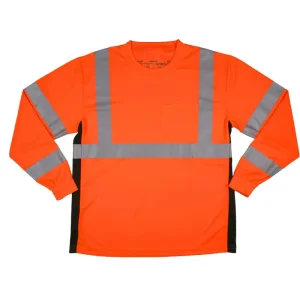
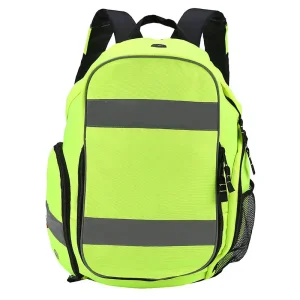
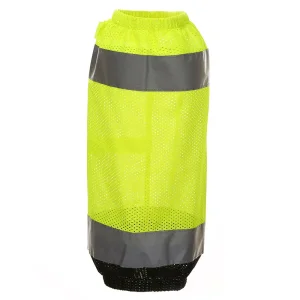
Expanded product lineup including high-visibility shirts, jackets, rainwear, gaiters, and specialized safety gear manufactured to global standards.