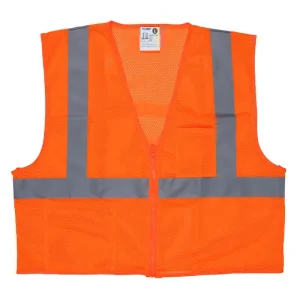
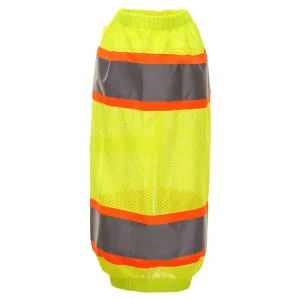
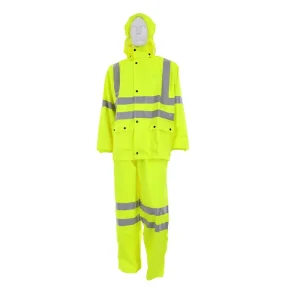
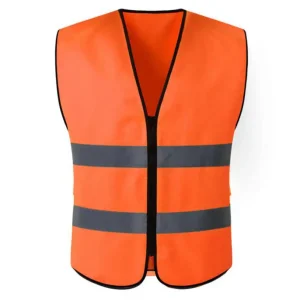
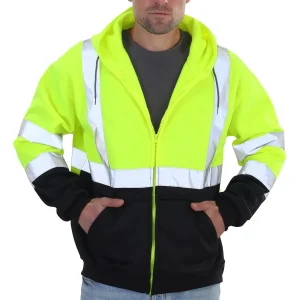
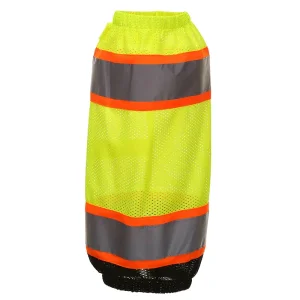
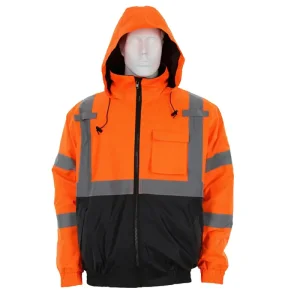
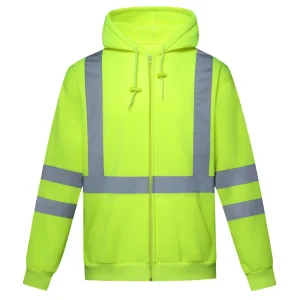
Certified high-vis apparel, vests, headwear, and safety accessories engineered for extreme industrial environments.
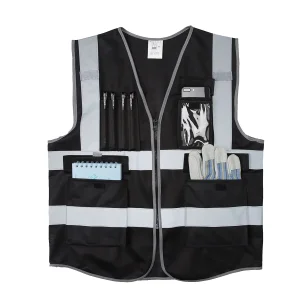
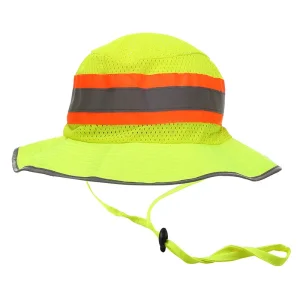
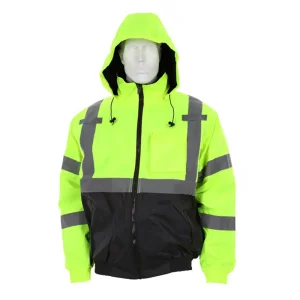
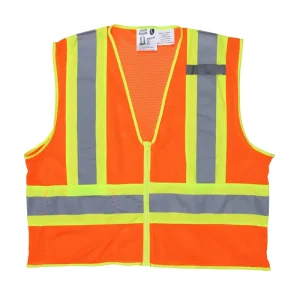
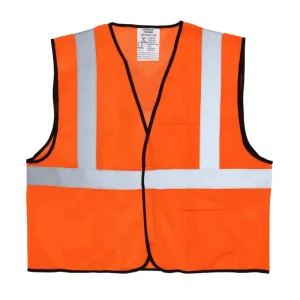
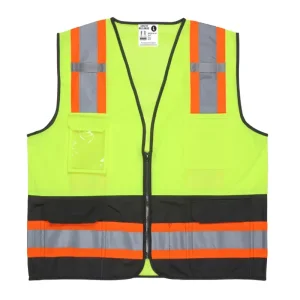
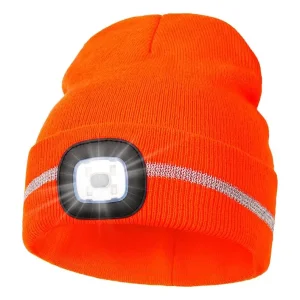
The global market for Personal Protective Equipment (PPE), specifically High-Visibility (Hi-Vis) Construction Shirts and protective garments, is undergoing a structural paradigm shift driven by stringent workplace safety enforcement, expanding infrastructure initiatives, and advancements in textile technology. According to global occupational health data, roadside strikes, machinery blind-spot collisions, and low-light industrial accidents remain major causes of preventable workplace fatalities. Consequently, regulatory bodies such as the Occupational Safety and Health Administration (OSHA) in North America, the European Agency for Safety and Health at Work (EU-OSHA), and Safe Work Australia have elevated high-visibility clothing from passive workwear to mandatory engineered safety equipment.
As enterprise procurement directors, safety officers, and global distributors evaluate prospective manufacturing partners, China continues to stand out as the world's primary manufacturing engine for certified high-visibility apparel. Chinese safety apparel factories—particularly those clustered in Zhejiang, Jinhua, and Yongkang—have transformed from low-cost assembly hubs into vertically integrated research and production powerhouses. Integrating high-performance synthetic spinning, micro-prismatic retroreflective tape bonding, computerized automatic cutting (CAM), and rigorous in-house photometric testing laboratories, Chinese factories offer unprecedented supply chain resilience, cost efficiency, and technical reliability.
Strategic Procurement Insight: Modern B2B safety apparel procurement is no longer defined strictly by garment cost per unit. Leading enterprise buyers prioritize Total Cost of Ownership (TCO), garment lifespan measured in industrial wash cycles, spectrophotometric color retention, retroreflective coefficient stability (cd/lx/m²), and supplier ESG compliance.
High-vis fabrics utilize specialized fluorescent dyes (Fluorescent Yellow-Green, Fluorescent Orange-Red, and Bright Red) that convert non-visible ultraviolet (UV) radiation into visible light wavelength spectrums (500nm to 600nm). This enhances daytime luminance factors (Y%) well above standard fabric thresholds.
Retroreflective elements employ either microscopic glass beads or micro-prismatic lenses coated with aluminum layer backings. These structures bounce incoming light beams—such as vehicle headlights—directly back to the light source with retroreflective coefficient performance exceeding 330–500 cd/(lx·m²).
Modern construction shirts incorporate Bird-Eye knit polyester, Coolpass® moisture-wicking weaves, UPF 50+ UV-blocking coatings, and anti-microbial treatments. This balances rugged tear resistance (over 150N) with breathability for high-heat environments.
To successfully navigate international distribution and industrial tenders, manufacturers and importers must align garment specifications with regional regulatory standards. Below is a comparison matrix governing high-visibility safety clothing construction:
| Standard / Classification | Minimum Background Material | Minimum Retroreflective Material | Primary Industrial Applications | Compliance Rating |
|---|---|---|---|---|
| ANSI/ISEA 107 Type R Class 2 | 0.50 m² (775 sq. in.) | 0.13 m² (201 sq. in.) | Roadway construction, traffic control, municipal crews | North America |
| ANSI/ISEA 107 Type R Class 3 | 0.80 m² (1240 sq. in.) | 0.20 m² (310 sq. in.) | High-speed highways, night utility work, emergency response | North America |
| EN ISO 20471 Class 2 | 0.50 m² | 0.13 m² | Railway maintenance, logistics hubs, secondary construction | European Union / UK |
| EN ISO 20471 Class 3 | 0.80 m² | 0.20 m² | Airport runways, motorways, heavy civil engineering sites | European Union / UK |
| AS/NZS 4602.1 Class D/N | Day/Night dual configuration | 50mm retroreflective tape configuration | Australian/New Zealand mining, civil infrastructure, port operations | Oceania |
Vertical integration, scalable production capacity, and automated quality control define China's leadership in high-visibility workwear manufacturing.
From masterbatch filament extrusion and knitting to custom fabric dyeing and heat-transfer tape application, China's industrial clusters maintain localized supply chains within a 50-mile radius, dramatically reducing raw material lead times.
Leading Chinese factories utilize automated laser cutters, ultrasonic reflective tape seam welders, and computer-programmed pattern stitchers. This guarantees dimensional stability, zero seam slippage, and uniform sizing across large OEM runs.
Established manufacturers maintain dedicated testing equipment to evaluate spectrophotometric color space (CIE L*a*b*), retroreflection retro-meters (R_A values), Xenon arc lightfastness, and tensile tearing resistance according to ISO and ASTM standards.
Enterprise buyers rarely procure standard off-the-shelf garments. Corporate identity programs, specialized hazard conditions, and regional climate variations require custom factory solutions. Reliable China suppliers provide end-to-end OEM and ODM services engineered to maintain compliance while fulfilling branding objectives.
Applying corporate logos onto high-visibility garments requires balancing brand visibility with safety compliance. According to ANSI and EN ISO standards, screen printing or embroidery must not encroach upon the minimum required area of fluorescent background fabric or retroreflective tape. Top suppliers utilize custom heat-transfer vinyl and flame-retardant inks placed on designated non-certified accent panels or pocket flaps.
Construction crews operate in vastly different climates. Suppliers offer specialized material formulations including ultra-lightweight 120gsm Bird-Eye mesh for Middle Eastern and summer desert construction, long-sleeve thermal fleece-lined polyesters for Nordic winter civil works, and anti-static ESD conductive grid fabrics for petrochemical job sites.
Modern work environments demand multi-functional garments. Customizations include radio/mic loops, clear vinyl ID badge holders, dual pen slots, reinforced tool pocket gussets, heavy-duty non-conductive resin zippers, and breakaway velcro side seams designed to prevent entanglement in rotating equipment.
To support corporate ESG (Environmental, Social, and Governance) commitments, Chinese suppliers offer GRS (Global Recycled Standard) certified recycled polyethylene terephthalate (rPET) fabrics made from post-consumer plastic bottles, alongside OEKO-TEX Standard 100 eco-friendly dye processing.
The intersection of wearable technology, IoT (Internet of Things), and advanced materials science is redefining personal protective equipment. The next generation of high-visibility construction shirts moves beyond passive retroreflection into active safety systems:
Expert technical insights addressing procurement, compliance standards, and factory operations.
ANSI Class 2 garments are designed for work environments where traffic speeds do not exceed 25 mph (40 km/h) and task distraction is moderate (e.g., municipal utility work or parking direction). They require a minimum of 775 sq. in. of background fabric and 201 sq. in. of reflective tape. ANSI Class 3 garments are mandatory for high-risk, high-speed environments (exceeding 50 mph / 80 km/h) and low-light night operations. Class 3 shirts require 1,240 sq. in. of background fabric and 310 sq. in. of reflective tape, and must feature retroreflective sleeve striping to clearly outline the human form in motion.
Reputable suppliers utilize solution-dyed synthetic polyester yarns with high lightfastness ratings (Grade 4–5 according to ISO 105-B02). Furthermore, UV-stabilizer additives are infused into the polymer matrix prior to spinning. This prevents photo-oxidation under direct sunlight and withstands high-temperature industrial laundering up to 60°C (140°F) for 25 to 50 wash cycles without dropping below certified CIE chromaticity coordinates.
Yes, provided the logo application does not reduce the square area of the fluorescent background material or retroreflective tape below the certified standard minimum. Logos should ideally be positioned on non-reflective sections, such as small chest pockets or upper sleeves. If a large back logo is requested, factories can utilize reflective heat-transfer logos certified to meet retroreflective performance standards (R_A > 330 cd/lx/m²).
Standard MOQs for custom-dyed or bespoke high-vis construction shirts typically range from 500 to 1,000 units per color/style. For standard stock fluorescent colors (Lime/Yellow and Orange) with custom logo printing, MOQs can be as low as 100 to 200 units. Typical production lead times are 10–15 days for sample approval and 25–35 days for bulk mass production, depending on order scale and shipping logistics.
Enterprise buyers should request proof of ISO 9001 (Quality Management System), BSCI (Business Social Compliance Initiative) or SEDEX/SMETA for ethical labor practices, OEKO-TEX Standard 100 for chemical safety, and third-party test reports (such as UL, SATRA, Intertek, or SGS) validating ANSI/ISEA 107 or EN ISO 20471 compliance.
Bird-Eye mesh features a 3D breathable micro-porous structure that offers superior airflow and moisture transport, making it ideal for hot, humid outdoor construction sites. Solid interlock knit fabric provides higher tensile strength, greater tear resistance, and enhanced thermal retention, making it better suited for rugged industrial work, high-friction environments, or cooler working conditions.
Explore our full line of waterproof rainwear, thermal sweatshirts, safety leg gaiters, and reflective accessories.