Featured industrial safety apparel engineered for low-light visibility, extreme cold resistance, and rigorous workplace standards.
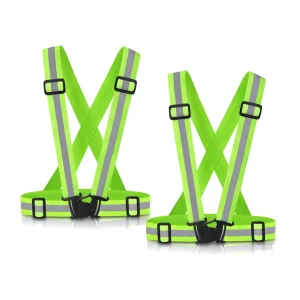
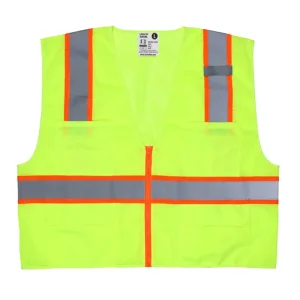
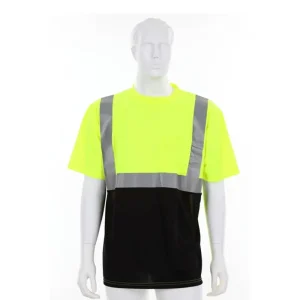
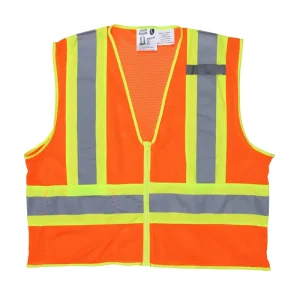
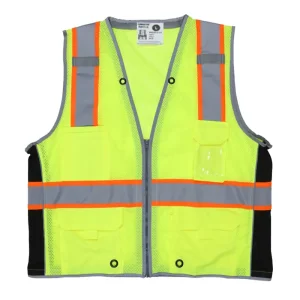
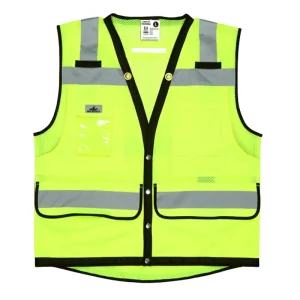
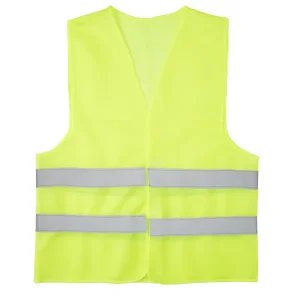
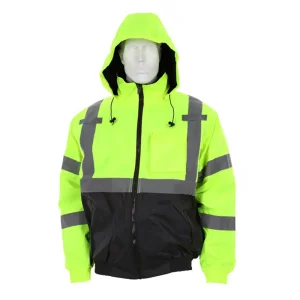
In modern industrial safety, the demand for dual-function Personal Protective Equipment (PPE) that combines high retroreflectivity with high-performance thermal insulation has skyrocketed globally. Cold-climate construction zones, sub-zero logistics operations, maritime ports, and municipal winter infrastructure maintenance require workers to maintain optimal core thermal equilibrium while remaining fully visible to machinery operators in low-light, foggy, or snowstorm conditions.
An insulated high-visibility vest serves as a crucial bridge between standard unlined safety vests and heavy, movement-restricting winter parkas. By protecting the torso's core circulatory heat without impeding arm mobility, insulated hi-vis vests have evolved into a fundamental specification for global procurement managers across North America, Europe, Australia, and the Middle East.
Uninsulated polyester vests experience micro-fracturing in glass-bead retroreflective tapes when subjected to sub-zero temperatures (-15°C to -30°C) alongside repeated flex fatigue. Furthermore, inadequate thermal resistance ($R_{ct}$) forces workers to wear uncertified non-reflective hoodies over their safety gear, completely compromising jobsite safety compliance and exposing contractors to severe OSHA liability penalties.
Understanding the structural sandwich of premium insulated hi-vis garments engineered by top-tier Chinese manufacturers.
High-density 300D (Denier) Polyester Oxford fabrics lined with Polyurethane (PU) or Thermoplastic Polyurethane (TPU) membranes provide superior tear strength (hydrostatic head rating > 5,000 mm $H_2O$) and windproof barrier defense while maintaining fluorescent color brilliance under daylight.
Utilizing advanced synthetic insulation ranging from 120 gsm to 220 gsm thermal silk cotton, Thinsulate™ micro-fiber blends, or polar fleece linings. These materials trap dead air space, providing high CLO ratings without adding bulk or restricting physical mobility.
Incorporating certified glass-bead or micro-prismatic retroreflective materials. Certified under EN ISO 20471 Class 2/3 and ANSI/ISEA 107-2020 standards, retaining retroreflectivity (>330 cd/lx/m²) even after 50 intensive industrial laundry cycles at 60°C.
| Insulation Fill Type | Weight (GSM) | CLO Rating (Thermal Value) | Cold Flexibility Limit | Industrial Wash Durability | Primary Commercial Use |
|---|---|---|---|---|---|
| Silk-Like Quilted Polyester | 160 - 200 gsm | 1.4 - 1.8 CLO | -15°C | 25 - 30 Cycles | General Construction & Warehousing |
| Polar Fleece Lining | 220 - 280 gsm | 1.6 - 2.1 CLO | -20°C | 40+ Cycles | High-Activity Highway Maintenance |
| 3M Thinsulate™ Equivalent | 120 - 150 gsm | 2.2 - 2.8 CLO | -30°C | 50+ Cycles | Extreme Cold Chain & Offshore Oil/Gas |
| Recycled GRS PET Down-Fill | 180 - 220 gsm | 1.9 - 2.4 CLO | -25°C | 35 Cycles | Eco-Conscious Corporate ESG Fleets |
How China's integrated safety apparel manufacturing hubs deliver unmatched cost-efficiency, rapid prototyping, and rigorous quality assurance for global B2B buyers.
Located within the Zhejiang apparel manufacturing cluster, leading factories like Yongkang Wow Safety Products Co., Ltd. maintain immediate access to localized raw fabric mills, dye houses, zipper manufacturers, and reflective tape laminators. This eliminates supply chain friction and reduces raw material procurement lead time by up to 60% compared to Western competitors.
Modern Chinese factories deploy automated laser fabric cutters, computerized pattern-matching software, and robotic seam-sealing machinery. This ensures 100% precision in pocket placement, armhole ergonomics, and reflective strip alignment, guaranteeing zero variation between pre-production samples and mass-produced shipping lots.
Whether requiring custom brand heat-transfer logos, radio loop tabs, mic clips, tablet-sized padded utility pockets, or dual-tone contrast colors (Lime/Black or Orange/Navy), Chinese suppliers offer low MOQs with comprehensive prototyping within 3-5 business days.
Field-tested safety specifications for heavy industrial, logistical, and municipal operational sectors.
Warehouse operators in refrigerated distribution hubs (-25°C) require lightweight insulated vests with high abrasion resistance, smooth zippers operable with heavy thermal gloves, and high-visibility neon lime fabric for forklift traffic visibility.
Road crews and snowplow operators require ANSI/ISEA 107 Class 2 or Class 3 compliant insulated vests featuring 360-degree reflective coverage, wind-proof fleece collars, and heavy-duty storm flaps over storm zippers.
Dockworkers and offshore rig technicians need water-repellent (DWR coated) insulated vests with salt-spray corrosion-resistant nylon zippers, D-ring pass-through slots for fall protection harnesses, and radio attachment loops.
Tarmac ground handling personnel operating during winter nights require dual-tone contrast vests (Lime/Black bottom) to hide dirt and fuel grease stains while ensuring maximum aircraft taxying light reflection.
Key technological advancements reshaping global procurement specifications for insulated safety wear.
Integration of flexible graphene heating pads powered by compact Li-ion power banks inside insulated vests. Allows workers to adjust heat levels (35°C to 55°C) dynamically based on metabolic activity and external wind chill.
Global B2B tenders increasingly mandate Global Recycled Standard (GRS) certified 100% recycled PET outer fabrics and eco-friendly fluorocarbon-free (PFAS-free) water repellent coatings to satisfy corporate sustainability metrics.
Embedded washable UHF RFID chips enable automated inventory tracking, wash cycle logging, and worker safety zone verification within high-risk mining, railway, and logistics construction sites.
Explore our full OEM/ODM product catalog designed for all-season industrial protective apparel demands.
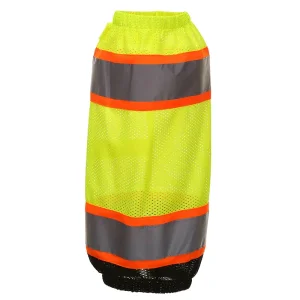
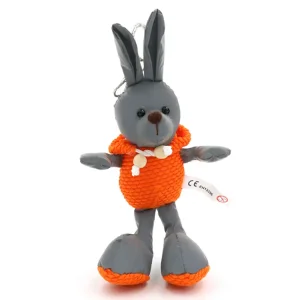
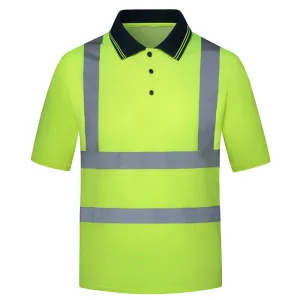
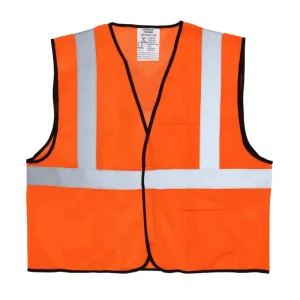
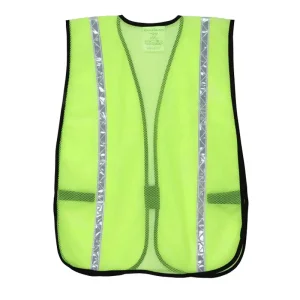
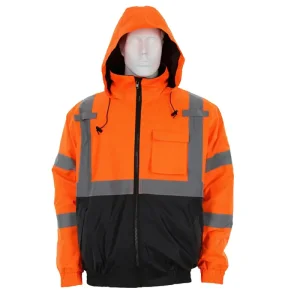
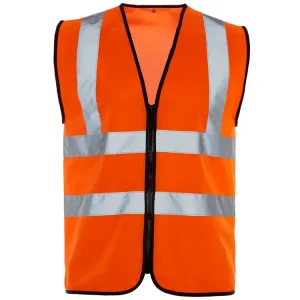
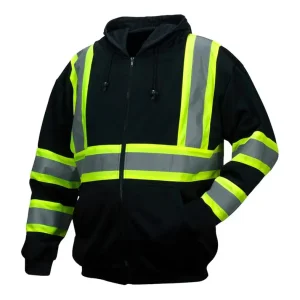
Key technical parameters to include in your RFQ (Request for Quotation) when sourcing insulated hi-vis vests from China.
Ensure the factory provides test reports from accredited third-party laboratories (such as SGS, TÜV, SATRA, or UL). Verify that the fluorescent background fabric meets chromaticity coordinates ($x, y$) and minimum luminance factors ($\beta \ge 0.70$ for yellow, $\beta \ge 0.40$ for orange) before and after xenon light exposure testing.
Request EN 342 (Ensembles for protection against cold) or EN 14058 (Garments for protection in cool environments) test values. Insist on verifying thermal resistance ($R_{ct}$) and air permeability (Class 1 to 3) to ensure workers maintain core temperatures without experiencing perspiration buildup.
Establish clear Acceptance Quality Limit (AQL) parameters for pre-shipment inspections. Critical defect checks must include seam tensile strength (min 200N), zipper burst resistance, tape stitch density (minimum 8-10 stitches per inch), and logo heat-seal adhesion strength.
Expert answers to common engineering, procurement, and shipping questions regarding insulated safety vests.
ANSI Class 2 garments require a minimum of 775 sq. inches of fluorescent background fabric and 201 sq. inches of retroreflective material, suitable for traffic speeds under 50 mph. ANSI Class 3 garments require 1,240 sq. inches of background fabric and 310 sq. inches of reflective tape with full sleeve coverage, designed for high-risk, high-speed (>50 mph) environments and extreme cold weather scenarios.
We implement a rigorous 4-step quality control system: Incoming Raw Material Inspection (IQC), In-Process Production Line Audit (IPQC), 100% Finished Goods Inspection (FQC), and Pre-Shipment Random Sampling based on AQL 2.5/4.0 standards. All reflective tape lots undergo laboratory retroreflectometer testing before sewing.
Yes. Custom logos can be added via screen printing, embroidery, or thermal transfer heat press. However, under EN ISO 20471 and ANSI 107 rules, logo placement must not cover the mandatory retroreflective tape area or reduce the compliant fluorescent background surface area below minimum square-inch thresholds.
Our standard production lead time is 25 to 35 days post sample approval and deposit confirmation. For standard catalog models, our MOQ starts at 500 units per style. For full custom OEM requests (specific custom dyed colors, custom pocket patterns, or specialized flame-retardant anti-static treatments), MOQ is typically 1,000 units.
Garments should be machine washed at temperatures not exceeding 40°C to 60°C using mild detergent without bleach or fabric softeners. Tumble drying on low heat or line drying in the shade is recommended. Avoid dry cleaning as chemical solvents degrade the micro-glass beads on retroreflective tapes and deteriorate synthetic silk cotton insulation.