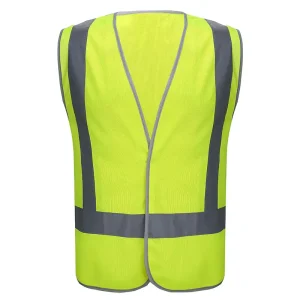
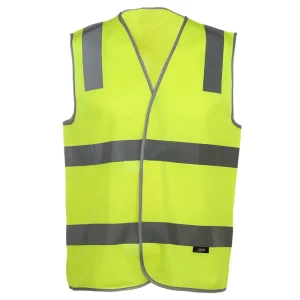
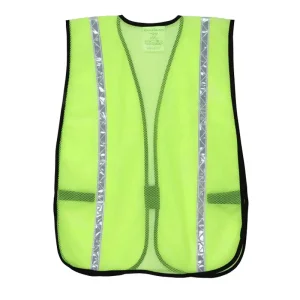
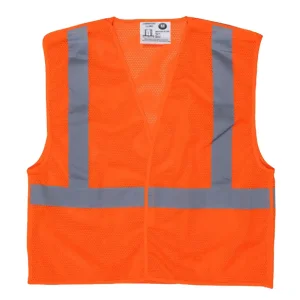
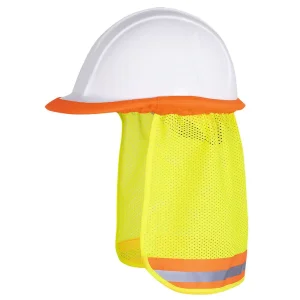
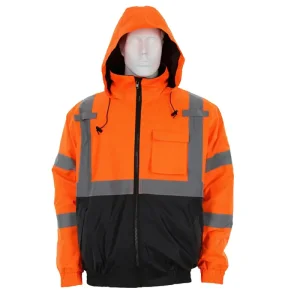
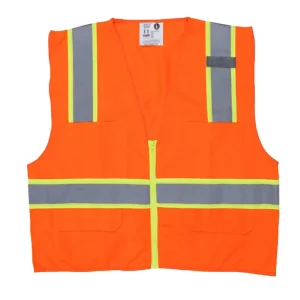
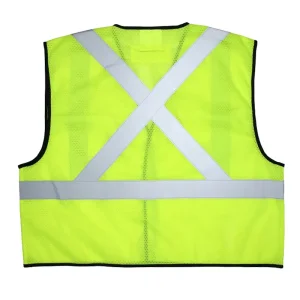
Engineered for extreme civil infrastructure, roadwork safety, and heavy industrial environments. Certified to ISO 20471 & ANSI/ISEA 107 standards.
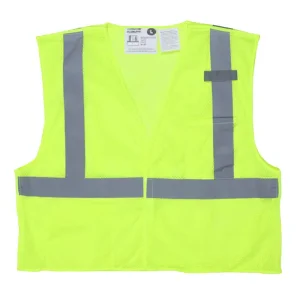
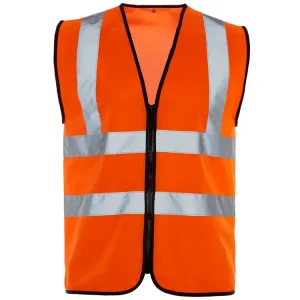
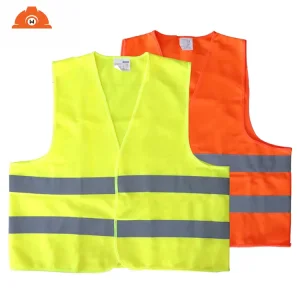
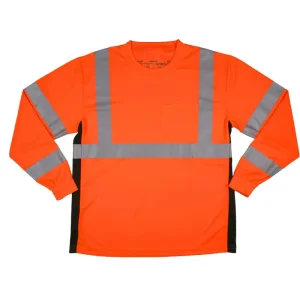
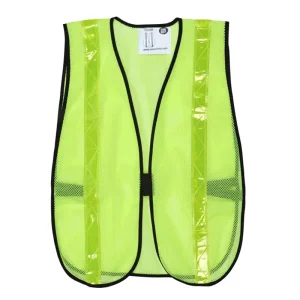
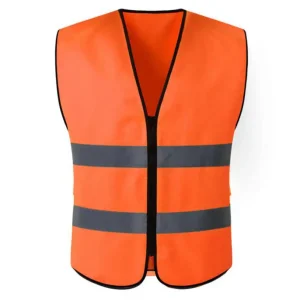
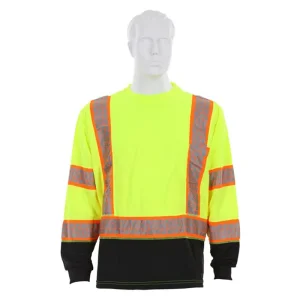
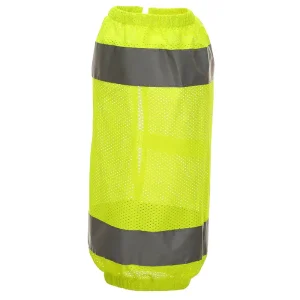
The global market for High-Visibility Personal Protective Equipment (PPE)—specifically construction reflective jackets, softshells, and insulated workwear—is undergoing a structural evolution. Driven by strict workplace safety mandates across North America, Europe, and Asia-Pacific, procurement officers are transitioning from low-cost single-use vests to durable, multi-norm, high-performance protective jackets.
Regulatory frameworks such as the U.S. Occupational Safety and Health Administration (OSHA) guidelines, European PPE Regulation (EU) 2016/425, and Australia’s AS/NZS 4602.1 have elevated the mandatory technical specs for garments worn by high-risk personnel near moving vehicles, construction machinery, and power infrastructure. In this macroeconomic environment, China’s manufacturing ecosystem, anchored in industrial clusters such as Yongkang and Zhejiang, has positioned itself as the indispensable backbone of global high-visibility workwear production.
Strict compliance with ISO 20471 Class 2/3, ANSI/ISEA 107-2020 Type R, and EN 343 waterproof/breathability classes to mitigate enterprise liability.
Vertical integration from raw polyester spinning and TPU membrane lamination to automated laser cutting and seam sealing reduces lead times.
Adoption of microprismatic retroreflective films, fluorocarbon-free water repellents, and 100% recycled post-consumer polyester (rPET).
China's construction reflective jacket factories leverage specialized regional supply chains that provide immediate access to high-chromaticity fluorescent pigments, high-tensile Oxford fabrics (300D, 600D), and premium retroreflective tapes (glass-bead and microprismatic). This cluster advantage enables Chinese manufacturers to offer custom OEM/ODM solutions at unit economics that competing manufacturing hubs cannot match, without compromising structural or photometric integrity.
A high-visibility safety jacket relies on two foundational optical principles to protect workers: Fluorescence for daytime conspicuity and Retroreflection for nighttime or low-light visibility. Chinese specialized factories utilize high-precision testing apparatus to verify both parameters under extreme environmental conditions.
When sourcing from a China construction reflective jacket factory, specifying the correct protection class is crucial for regulatory alignment:
Workplace environments impose unique physical demands on reflective jackets. Standard off-the-shelf garments often fail under specific environmental stressors. Premium Chinese manufacturers engineer customized configurations optimized for target global sectors:
High-speed road construction requires Class 3 jackets with high abrasion-resistant 600D Oxford outers, heavy-duty zipper hardware, and dirt-masking dark contrast hemlines to preserve optical compliance.
3-in-1 modular thermal jackets featuring detachable fleece or quilted linings, storm flaps, taped waterproof seams, and fleece-lined collars rated for extended outdoor shifts at -20°C.
Flame-resistant (FR) modacrylic/cotton blend jackets treated with anti-static grid fibers (EN 1149-5) and oil-and-water repellent (OWR) coatings to survive harsh marine environments.
The high-visibility manufacturing sector in China is undergoing rapid technological modernization. Leading OEM factories are shifting from traditional cut-and-sew operations toward smart textiles, automated quality assurance, and sustainable closed-loop production cycles.
Integration of flexible, washable Electroluminescent (EL) strips and active micro-LED piping into jacket seams. These systems guarantee worker visibility even when vehicle headlights are not directly shining on the retroreflective tape (e.g., around blind corners or fogged conditions). Smart jackets with integrated Bluetooth Man-Down fall detection sensors are currently undergoing field trials.
Transitioning to 100% GRS-certified Recycled Polyester (rPET) derived from post-industrial water bottles, paired with bio-based solvent-free Polyurethane coatings. These green innovations decrease carbon footprint by up to 45% per garment while maintaining full ISO 20471 colorfastness and tear strength metrics.
For international procurement directors, safety gear distributors, and corporate buyers, vetting a reliable Chinese manufacturing partner requires evaluating audit credentials, technical capabilities, and quality assurance protocols.
Ensure the factory holds valid ISO 9001 quality management certificates, alongside OEKO-TEX Standard 100 Class II eco-certifications and SATRA / TÜV Rhine test reports for ISO 20471 tape & fabric.
Leading factories maintain internal testing rooms equipped with Spectrophotometers for color fastness, Hydrostatic Head testers for waterproofness, and Retroreflectometers for batch compliance.
Verify silk-screen printing, heat-transfer vinyl branding, multi-pocket configurations, microphone tabs, radio loops, and custom zipper pullers for private-label lines.
Essential insights for procurement managers, safety compliance officers, and wholesale importers.
ANSI/ISEA 107 is the American National Standard for High-Visibility Safety Apparel, commonly enforced across North America. EN ISO 20471 is the internationally harmonized European standard. While both mandate rigorous minimum areas of fluorescent background material and retroreflective tape, they differ slightly in color coordinate chromaticity boxes, wash cycle durability protocols, and garment sizing classifications (ANSI uses Type R/O/P, whereas ISO uses Class 1/2/3).
Standard commercial hi-vis jackets are typically rated for 25 to 50 home wash cycles at 40°C or 60°C under ISO 6330 standards. Premium jackets manufactured with reinforced glass-bead or microprismatic heat-transfer tapes can maintain compliance beyond 50 washes. Exposure to harsh industrial laundering chemicals or high-heat tumble drying can degrade retroreflective coefficients prematurely.
Dark panels (navy blue, black, or dark grey) are strategically engineered around the lower torso and sleeve cuffs—areas most prone to grease, dirt, and mud accumulation on construction sites. By placing dark fabric over high-soiling zones, the garment prevents staining from reducing the luminous area of the fluorescent fabric, maintaining compliance longer.
Yes. Custom logos can be added via screen printing, heat transfer, or embroidery. However, compliance guidelines dictate that logo placement must not cover the mandatory minimum area of fluorescent fabric or disrupt the continuity of retroreflective tapes. OEM factories provide artwork layout proofs to ensure full regulatory compliance before mass production.
A breakaway design features hook-and-loop (Velcro) closures at five critical tear-away points: the shoulders (2), sides (2), and front closure (1). If the garment gets caught in moving machinery or heavy equipment, the fasteners release instantly, protecting the worker from being dragged into moving parts.
Standard factory MOQs for custom construction reflective jackets range from 500 to 1,000 units per style/colorway depending on custom dye-lot fabric requirements. However, factories with ready-goods inventory of standard ANSI/ISO fluorescent fabrics can accommodate trial orders as low as 100 to 300 units.
Factory-direct safety wear solutions for comprehensive enterprise workforce protection.