What Is the Top High Visibility Vest for Global Buyers?

Time:2026-09-15 Author:Sienna
0%

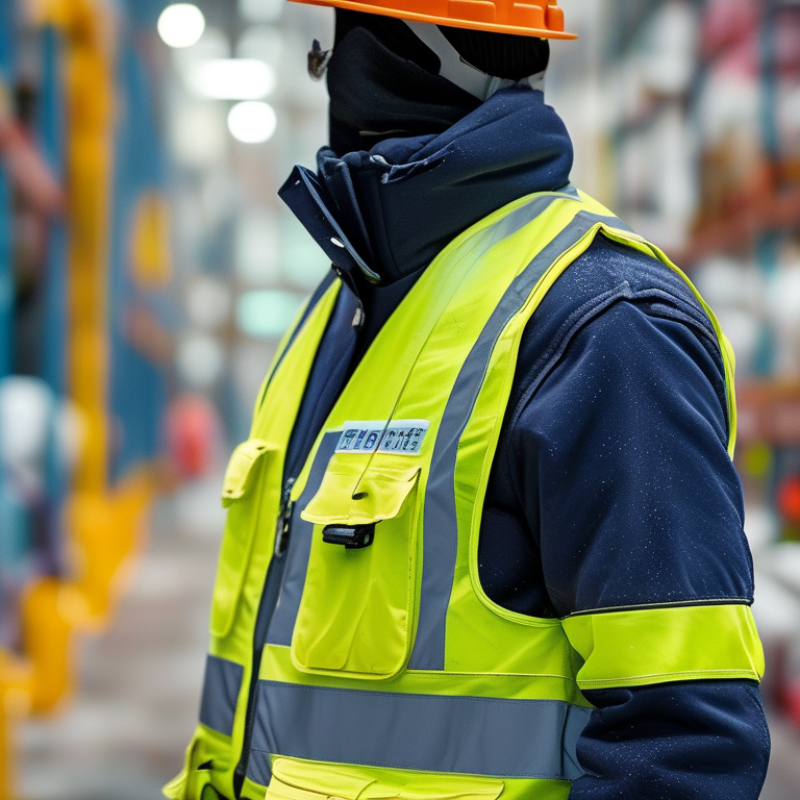
Choosing the right High Visibility Vest is not simply a matter of selecting the brightest color. Global buyers must evaluate visibility, material quality, sizing, compliance, comfort, and supplier reliability together. A vest that performs well on a sunny construction site may feel inadequate near moving vehicles, warehouse equipment, or low-light roads. Small details matter. Reflective tape width, stitching strength, pocket placement, and closure design can affect daily performance.

Experienced purchasing teams usually compare recognized safety requirements, such as ANSI/ISEA 107, EN ISO 20471, or AS/NZS 4602.1, according to the intended market and work environment. These standards are not interchangeable, and requirements can vary by application. Buyers should request current test reports, fabric specifications, wash-cycle results, and production samples before placing large orders. A dependable manufacturer should explain these documents clearly, rather than offering vague claims about “premium safety.”

Practical testing reveals what product photos cannot. Try the vest over a winter jacket. Check whether the reflective strips remain visible after repeated washing. Inspect the seams around pockets and shoulder areas. Comfort also deserves attention, because workers may remove an uncomfortable vest during critical tasks. That risk is easy to underestimate.

No single model suits every buyer. A lightweight mesh vest may fit hot climates, while a durable multi-pocket design may serve road crews better. Even careful sourcing can miss local preferences or fit differences. That is why a thoughtful review should balance tested performance, worker feedback, supplier evidence, and realistic purchasing conditions before naming the top High Visibility Vest for global buyers.
What Is the Top High Visibility Vest for Global Buyers?

High-Visibility Vest Standards: ANSI/ISEA 107-2020 and EN ISO 20471

What Is the Top High Visibility Vest for Global Buyers?

High-visibility vest standards matter more than color alone. ANSI/ISEA 107-2020 and EN ISO 20471 define visibility through measurable design and performance requirements. They address fluorescent background material, retroreflective tape, and garment configuration. A bright vest can still fail when its reflective bands are narrow, poorly placed, or covered by equipment.

ANSI/ISEA 107-2020 classifies garments by workplace risk and visibility needs. Type O suits off-road environments, while Type R supports roadway exposure. Type P addresses public safety activities. Performance Classes 1, 2, and 3 indicate increasing coverage and visibility. Buyers should match the vest to traffic speed, lighting, weather, and worker movement. Do not rely on a product photo.

EN ISO 20471 uses Classes 1, 2, and 3, with Class 3 providing the highest visibility level. The standard also controls minimum areas of fluorescent and retroreflective materials. Check whether the vest remains visible from different angles, especially when worn over winter clothing.

Request test reports, size measurements, care instructions, and certification details from the supplier. Small details matter.

In practice, real users often expose weaknesses that laboratory checks miss. Reflective tape may crack after repeated washing. A zipper may cover a visible section. I have found that comfort also affects compliance; workers remove stiff vests. The “best” vest is not always the most advanced one. It is the verified garment that workers keep wearing.

Visibility Classes Compared: 0.50 m² Background Fabric and 0.13 m² Reflective Trim

What Is the Top High Visibility Vest for Global Buyers?

For many buyers, the strongest baseline is a Class 2 high visibility vest. ANSI/ISEA 107-2020 specifies at least 0.50 m² of background fabric and 0.13 m² of retroreflective trim. EN ISO 20471 uses comparable minimum areas for Class 2 garments.

These figures matter because they define visible surface, not merely color. A bright vest may look effective indoors, yet perform poorly beside moving vehicles at dusk.

The U.S. Bureau of Labor Statistics reported 5,283 fatal work injuries in 2023. Transportation incidents represented 1,942 of those deaths. Visibility cannot prevent every collision, but it supports earlier recognition by drivers and equipment operators.

In practical use, reflective bands should wrap around the torso and remain visible from the side.

A vest that twists, hangs loosely, or hides beneath a rain jacket loses part of its intended protection.

I would not select a vest by fabric area alone. The specification is clear, but selection is not. Check contrast, seam strength, closure quality, and size range.

Test the vest under headlights
Warehouse lighting
Wet conditions

Poor fit can expose a gap in coverage. That detail is easy to miss. Global buyers should also confirm the exact standard edition accepted in the destination market, because similar measurements do not guarantee identical certification requirements.

Material Performance: Fluorescent Colors, Retroreflective Tape, and 330 cd/lx/m²

What Is the Top High Visibility Vest for Global Buyers?

For global buyers, material performance should guide vest selection. Fluorescent yellow-green and orange fabrics create strong contrast in daylight, especially near roads, warehouses, and construction zones. Color alone is not enough. Fluorescent fabric loses visual impact in darkness.

Retroreflective tape returns light toward its source, helping drivers notice workers at night. A performance value of 330 cd/lx/m² indicates strong retroreflection under specified testing conditions. Buyers should check the measurement angles, tape width, backing, and test date. Wet surfaces, dust, folding, and repeated washing can reduce performance. In my experience, a bright vest may still perform poorly when its tape becomes cracked or covered by equipment. That detail is easy to miss.

Tips: Request laboratory test reports for both the fluorescent fabric and retroreflective tape. Ask how performance changes after washing. Compare visibility from several distances and lighting angles. Check whether stitching leaves gaps across the torso. No vest is perfect. A practical choice balances material brightness, tape durability, breathability, and fit. Some buyers focus too heavily on the 330 cd/lx/m² figure. That number matters, but field conditions matter too. A vest with excellent tape can fail if the wearer covers it with a backpack or loose jacket. Regular inspection remains necessary.

What Is the Top High Visibility Vest for Global Buyers?

Material Performance: Fluorescent Colors, Retroreflective Tape, and 330 cd/lx/m²

The chart shows the minimum coefficient of retroreflection specified for retroreflective material by visibility class under EN ISO 20471. Class 2 and Class 3 garments use a benchmark of 330 cd/lx/m² at the standard test geometry, while Class 1 uses 100 cd/lx/m². Fluorescent yellow and fluorescent orange improve daytime conspicuity; the final compliance decision also depends on the required chromaticity, luminance factor, material area, garment design, and test certification.

Reference framework: EN ISO 20471 high-visibility clothing requirements.

Global Buyer Selection: Climate, Work Risk, Sizing, and Compliance Documentation

What Is the Top High Visibility Vest for Global Buyers?

Global buyers should begin with climate and work risk, not color alone. The International Labour Organization reported nearly three million work-related deaths annually in 2023. That figure makes visibility a risk-control decision, not a fashion preference.

Heat changes everything. In hot, humid sites, choose breathable mesh panels, moisture control, and a cut that permits airflow. In cold or rainy regions, layered insulation and water-resistant outer fabrics may matter more.

Road crews need different protection from warehouse staff. Select background fabric and reflective material according to the task, traffic speed, lighting, and exposure duration. ISO 20471 and ANSI/ISEA 107 classify visibility performance, but neither standard replaces a site-specific risk assessment.

Fit deserves equal attention. A vest that passes testing can still fail when it twists over a bulky jacket or restricts movement. Check chest measurements, adjustable sides, arm clearance, and compatibility with harnesses. Ask for graded size charts, not one “universal” size.

Small details matter. Workers may ignore uncomfortable equipment. Buyers should request independent test reports, conformity declarations, material composition, washing instructions, production-batch traceability, and reflective-tape performance data.

Documentation matters. The ILO’s 2023 safety findings support stricter purchasing discipline, yet paperwork alone cannot prove field comfort.

A sensible trial should include walking, bending, rain exposure, and night inspection. My own selection rule would remain imperfect: reject any vest that looks compliant but feels impractical after ten minutes.

Best Overall Vest Profile: Class 2 Protection, Breathable Fabric, and Custom Branding

What Is the Top High Visibility Vest for Global Buyers?

Best Overall Vest Profile: Class 2 Protection, Breathable Fabric, and Custom Branding

For global buyers, the strongest high visibility vest profile combines Class 2 protection, breathable fabric, and practical customization. Class 2 coverage suits many tasks involving vehicles, equipment, or changing light. Buyers should confirm the intended use against local workplace requirements. A label alone is not enough. Check reflective tape width, background area, stitching, and size consistency. In field trials, a vest must remain visible after repeated movement. That earns more trust than page brightness.

Breathability matters during hot loading work, road maintenance, and warehouse shifts. Lightweight mesh can improve airflow across the back and under the arms. It should still feel stable when tools pull at the shoulders. A loose arm opening may catch on equipment. A tight chest can make workers leave the vest open. Neither outcome is ideal. Test samples over a work shirt, in direct sun, and after washing. Small details reveal weak seams, curling tape, and uncomfortable heat.

Custom branding improves identification, but careless placement can reduce visible background. Keep logos modest and away from reflective bands. Confirm print durability through washing and abrasion checks. Color matching may vary between fabric batches, especially with large orders. That issue deserves honest discussion before production. Buyers should request measurement charts, material specifications, inspection records, and a pre-production sample. The vest is not flawless in every climate. It needs a tested balance of visibility, comfort, fit, and recognizable company identity.

What Is the Top High Visibility Vest for Global Buyers? - Best Overall Vest Profile: Class 2 Protection, Breathable Fabric, and Custom Branding

Evaluation Dimension Recommended Overall Profile Verified Technical Reference Why It Matters to Global Buyers
Protection level Class 2 high-visibility vest ANSI/ISEA 107 Class 2 is intended for work environments where visibility is important and traffic speeds or visual distractions create elevated risk. Provides a practical balance of visibility, comfort, and coverage for road work, logistics, construction, utilities, and warehouse operations.
International compliance Select the standard required by the destination market ANSI/ISEA 107 and EN ISO 20471 are separate standards; certification should be confirmed through product test reports and the intended end-use requirements. A vest compliant in one market is not automatically certified for another market.
Main fabric Lightweight fluorescent polyester, commonly 100% polyester Polyester is widely used because it is lightweight, quick-drying, and suitable for fluorescent high-visibility colors. Improves daily wearability while supporting consistent color and easy-care performance.
Breathability Open-mesh body or mesh side panels with ventilation zones Mesh construction can increase airflow, but breathability depends on fabric structure, covering area, fit, and test method; no single universal breathability value applies to every vest. Reduces heat buildup during outdoor work and active movement, especially in warm climates.
Reflective material Two horizontal reflective bands plus vertical shoulder or torso bands Reflective components are designed to return light toward its source, improving recognition in low-light conditions. Supports 360-degree recognition from the front, rear, and side when correctly configured.
Reflective band width Use the width and layout specified by the applicable safety standard Required background material, retroreflective material, band width, and arrangement vary by standard, garment type, and classification. Avoids relying on appearance alone when documentation is required for procurement or workplace compliance.
Color options Fluorescent yellow, fluorescent orange, or another permitted high-visibility color Permitted colors and chromaticity requirements depend on the selected safety standard and certification scope. Allows buyers to match local regulations, worksite policies, and environmental conditions.
Custom branding Chest, back, or lower-front logo placement outside required reflective areas Printing, embroidery, or heat-transfer decoration should not cover required high-visibility or retroreflective areas. Supports workforce identification and brand visibility without compromising the intended safety design.
Closure system Front zipper or durable hook-and-loop closure Closure selection is a design feature rather than a universal performance rating; it should allow secure fitting over work clothing. Makes the vest easier to put on, remove, and adjust across different seasons and uniforms.
Sizing Regular and extended sizes with room for base layers or jackets Actual size ranges vary by manufacturer; buyers should review garment measurements rather than relying only on letter sizes. Improves fit, comfort, and visibility when the vest is worn over different work garments.
Durability features Reinforced stitching, colorfast fabric, and securely attached reflective components Durability depends on fabric weight, seam construction, reflective tape attachment, laundering, and worksite exposure. Reduces replacement frequency in demanding industrial and outdoor applications.
Care requirements Follow the sewn-in care label; use mild washing conditions and avoid unauthorized alterations Heat, harsh chemicals, abrasion, and incorrect laundering can reduce fluorescent or retroreflective performance. Helps preserve visibility performance throughout the garment’s service life.
Best overall buying profile Certified Class 2 vest with breathable mesh, compliant reflective layout, adjustable sizing, and carefully positioned custom branding Confirm the applicable standard, certificate or test report, material details, size chart, decoration method, and care instructions before purchase. Combines visibility, wearer comfort, customization flexibility, and suitability for international procurement.

Note: Certification requirements, permitted colors, reflective layouts, and performance criteria vary by market and end use. Buyers should verify the current requirements applicable to the destination country and workplace.

FAQS

What makes a high-visibility vest effective?

Effective vests combine fluorescent fabric, retroreflective tape, suitable coverage, and a secure fit. Color is not enough. The vest should remain visible from the front, back, and sides.

Which visibility class is suitable for many general work environments?

Class 2 is often a practical baseline for roadway and industrial work. It commonly requires about 0.50 square meters of background fabric. It also requires about 0.13 square meters of reflective trim. The correct class still depends on traffic speed, lighting, weather, and worker movement.

Why do fluorescent colors matter?

Fluorescent yellow-green and orange fabrics create strong daylight contrast. They help workers stand out near roads, warehouses, and construction areas. They are less effective in darkness. Reflective tape is still necessary for nighttime recognition.

What should buyers check about reflective tape?

Check tape width, placement, backing, test conditions, and washing performance. The tape should wrap around the torso and remain visible from the side. Cracks, dust, folding, and moisture can reduce reflection. A strong laboratory result may not survive rough daily use.

Is a reflection value of 330 cd/lx/m² enough?

It indicates strong retroreflection under specified testing conditions. However, the number does not guarantee real-world performance. Ask for measurement angles, test dates, and durability results. A backpack can cover the tape. That weakness is easy to miss.

How should buyers verify a vest before ordering?

Request test reports for the fluorescent fabric and reflective materials. Also request size charts, garment measurements, care instructions, and certification details. Check the exact standard edition accepted in the destination market. Do not rely on product photographs alone.

Why does fit affect safety performance?

A loose or undersized vest can create gaps in visible coverage. A vest hidden under a rain jacket loses much of its purpose. Try the garment over winter clothing when necessary. Comfort matters too. Workers may remove stiff or overheated vests.

How should a vest be inspected after purchase?

Inspect stitching, closures, reflective tape, stains, and damaged fabric regularly. Look for broken bands after repeated washing. Test visibility under headlights, warehouse lighting, and wet conditions. No vest is perfect. Field use may reveal problems that testing missed.

Conclusion

For global buyers, the best High Visibility Vest is one that combines reliable protection, comfort, and documented compliance. It should align with ANSI/ISEA 107-2020 and EN ISO 20471 requirements, using at least 0.50 m² of fluorescent background fabric and 0.13 m² of reflective trim for strong daytime and low-light visibility. Fluorescent yellow, orange, or similar colors improve daytime recognition, while durable retroreflective tape should provide a performance level around 330 cd/lx/m².

A strong overall profile is a Class 2 vest made from lightweight, breathable fabric that supports extended wear in different climates. Buyers should also evaluate work risks, temperature, moisture, sizing ranges, fastening design, wash durability, and the supplier’s compliance documentation. Custom branding can be added without reducing the required visible areas or reflective performance, making this vest suitable for construction, road work, logistics, and other environments where worker recognition is essential.

Sienna

Sienna

Sienna is a skilled marketing professional with a deep expertise in our company’s core products and services. With a passion for innovation and detail, she plays a pivotal role in crafting insightful blog posts that not only highlight the unique features of our offerings but also provide valuable......