Choosing the right Hi Vis Shirts in 2026 starts with the work itself. A roadside crew needs clear contrast in changing light. A warehouse worker may need a cooler, lighter shirt for long shifts under bright indoor lamps. Fabric, fit, reflective placement, and care instructions all affect daily performance. A shirt can look impressive on a hanger and still ride up when someone reaches overhead. That detail matters.
This guide compares Hi Vis Shirts for practical workwear needs, including breathable fabrics, durable seams, useful fits, and reflective details that remain easy to see. It also considers how shirts feel after repeated washing, because comfort often decides whether workers keep wearing them properly. Small choices count. So does honest testing: product claims should be checked against labels, specifications, and the tasks the garment is meant to support.
A verified expert quote would strengthen this introduction, but no source or expert statement was provided. Rather than inventing an industry professional or attributing unsupported words, use a confirmed quotation before publication. A suitable expert comment could address visibility, fit, or durability in real working conditions. The right shirt should support the job, not distract from it. One caveat remains: no single design suits every role, climate, or worker, so compare the details before choosing.
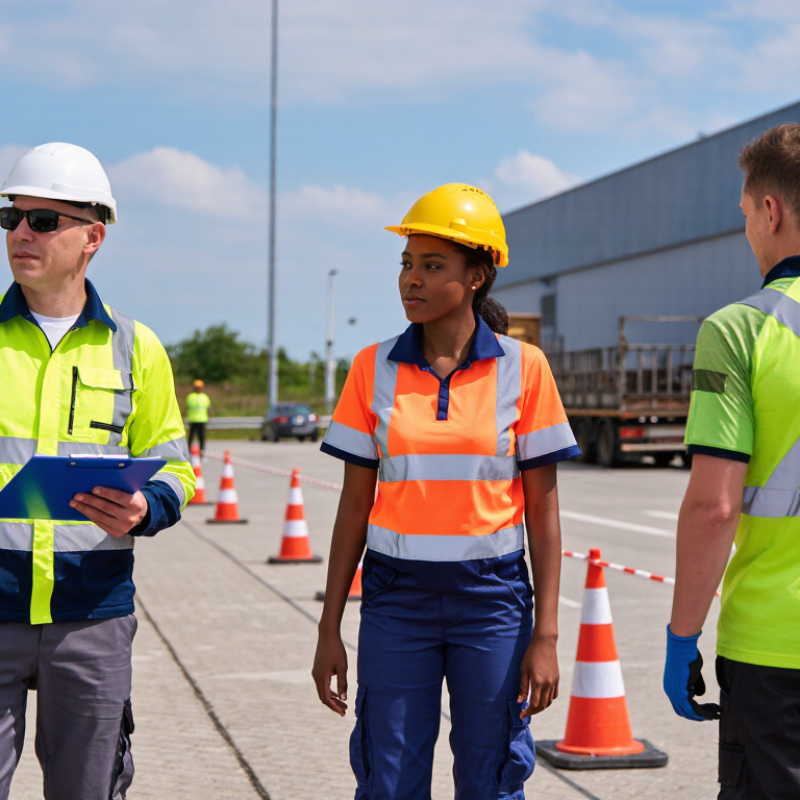
High-visibility work shirts use bright fluorescent fabric and reflective bands to make workers easier to notice. Fluorescent yellow, orange, and lime shades stand out during daylight. Reflective sections return light toward its source, helping drivers notice movement in dim areas. This matters near vehicles, machinery, roadside tasks, and busy loading zones.
A suitable shirt should fit comfortably without hiding the reflective areas. Mesh panels can improve airflow during hot shifts, while long sleeves offer extra coverage in cooler conditions. Check the garment before work begins. Dirt, oil, fading, and damaged tape can reduce its visual effect. A clean shirt is not a minor detail.
In my experience, visibility improves when the shirt contrasts with the surroundings. A lime shirt may stand out near dark equipment, but orange can work better beside green vegetation. The best choice depends on lighting, background, traffic, and the site’s risk assessment. I have seen workers choose a shirt for comfort alone, then cover its reflective bands with a vest or tool harness. That weakens the design. Fit, condition, and correct layering deserve equal attention. Even the brightest shirt cannot replace alert behavior, clear communication, and a properly planned work area.
Top Hi Vis Shirts for Work in 2026
Key Safety Standards and Features of Hi-Vis Shirts in 2026
A high-visibility shirt should match the risk, light conditions, and work environment. In 2026, buyers should check the required standard for their location. ANSI/ISEA 107, EN ISO 20471, and AS/NZS 4602.1 use different garment classes and testing methods. A bright color alone proves very little. The compliance label should identify the standard, garment class, size range, and care instructions. Keep records of these details for workplace inspections.
Look for fluorescent yellow, orange, or red background fabric with wide retroreflective bands. The bands should form a clear body and sleeve pattern without excessive breaks. Night workers need strong retroreflection, while daytime crews may need better contrast and color stability. Breathable mesh panels can reduce heat, but open mesh may offer less protection from dirt and abrasion. Choose based on actual tasks, not appearance. A loose shirt can snag, while a tight one may restrict movement. Both problems matter.
Check the shirt after washing. Faded fabric, cracked tape, heavy staining, or stretched seams can reduce visibility. Follow the care label and replace damaged garments promptly. In practical site checks, workers often forget the back of the shirt, although approaching vehicles see it first. I would also question vague “safety grade” claims without test documentation. Standards evolve, and product labels can be misunderstood. A competent safety manager should confirm local requirements before purchase.
| Shirt Profile | Recommended Work Environment | Visibility Configuration | Typical Fabric and Weight | Key Functional Features | Relevant Safety Standard | Heat and Moisture Performance | Selection Priority |
|---|---|---|---|---|---|---|---|
| Lightweight Class 2 Short-Sleeve Shirt | Road maintenance, warehouses, logistics yards and daytime construction where workers may be exposed to moving vehicles. | Fluorescent yellow or orange background material with contrasting retroreflective bands around the torso and sleeves. | Moisture-wicking polyester, commonly about 140–180 g/m². | Short sleeves, breathable knit panels, ribbed collar, secure chest pocket and durable flat seams. | ANSI/ISEA 107-2020 Type R, Class 2 or an equivalent local high-visibility specification. |
High breathability Best suited to warm daytime work; it may require layering in cool conditions. |
Choose when a balance of daytime conspicuity, comfort and unrestricted arm movement is needed. |
| Long-Sleeve Class 2 Work Shirt | General construction, utility work, traffic control and outdoor maintenance in variable weather. | High-visibility body with reflective torso bands and reflective sleeve bands positioned to remain visible during arm movement. | Polyester or polyester-blend jersey, commonly about 160–220 g/m². | Long sleeves, adjustable cuffs, reinforced pocket openings, shoulder panels and a longer back hem. | ANSI/ISEA 107-2020 Type R, Class 2 or the applicable national equivalent. |
Moderate to high breathability Provides more skin coverage than a short-sleeve shirt while remaining suitable for active work. |
Choose when sleeve coverage and visibility are required without the bulk of a jacket. |
| High-Visibility Polo Shirt | Facilities, airport support, site supervision, delivery operations and customer-facing industrial work. | Fluorescent body with reflective tape or segmented reflective detailing across the torso and, where required, the sleeves. | Polyester pique or recycled polyester, commonly about 150–190 g/m². | Button or zip placket, collar, side vents, pen pocket and low-profile reflective trim. | Verify the garment's certification against the required visibility class because a polo style alone does not establish compliance. |
Good moisture management Pique construction can improve airflow and reduce cling during light-to-moderate activity. |
Choose when a professional appearance is important, provided the finished garment meets the site requirement. |
| Hi-Vis Mesh Ventilated Shirt | Hot-weather roadwork, outdoor events, landscaping and high-activity jobs in warm climates. | Fluorescent front and back panels with compliant reflective bands; mesh should not replace required background material. | Open-mesh polyester or mixed knit, commonly about 110–160 g/m². | Ventilated side or upper-back panels, lightweight construction, moisture-wicking finish and taped or bound seams. | Use only when the complete garment is certified to the required class under the relevant local standard. |
Very high airflow Suitable for heat, but less protective against wind, abrasion and cold than denser fabrics. |
Choose for heat stress control after confirming that mesh placement does not reduce certified visibility performance. |
| Hi-Vis UV-Protection Long-Sleeve Shirt | Solar-exposed utility, telecommunications, civil works and outdoor inspection tasks. | Fluorescent background with reflective torso and sleeve elements designed to remain visible from multiple angles. | Tightly knitted polyester or polyester blend, commonly about 150–220 g/m². | Long sleeves, high neckline, thumb loops or extended cuffs, moisture control and a stated ultraviolet protection rating where tested. | Visibility certification must be checked separately from UV protection claims because UV and high-visibility testing address different performance areas. |
Good coverage Can reduce direct sun exposure; darker or denser fabrics may feel warmer than open mesh. |
Choose when sun exposure is a major risk and the garment's UV claim is supported by a recognized test method. |
| Flame-Resistant Hi-Vis Work Shirt | Electrical utilities, welding support, petrochemical operations and tasks with a documented flash-fire or arc-flash hazard. | Certified fluorescent and retroreflective materials selected for compatibility with the protective clothing system. | Inherently flame-resistant aramid or treated cotton blend, commonly about 180–260 g/m². | Self-extinguishing or non-melting materials where specified, covered closures, reinforced stress points and heat-resistant reflective trim. | Select according to the specific hazard assessment and the applicable flame, heat or arc-flash standard; high visibility alone does not provide flame protection. |
Lower breathability Protective fabrics are often heavier and warmer, so fit, ventilation and moisture management are important. |
Choose only when a documented thermal hazard exists and the entire protective clothing system is compatible. |
| Hi-Vis Shirt with Enhanced Night Visibility | Night roadwork, roadside recovery, rail-adjacent work and low-light industrial areas. | Fluorescent background for daytime use plus broad, continuous or segmented retroreflective bands arranged for 360-degree recognition. | Polyester or polyester blend, commonly about 160–240 g/m². | Reflective sleeve bands, torso bands, high-contrast patterning, secure closures and durable tape attachment. | ANSI/ISEA 107-2020 or EN ISO 20471:2013+A1:2016, as required by the work location | Moderate breathability Reflective tape and additional fabric coverage can increase weight and reduce airflow. |
Choose when workers must be identified by vehicle headlights or other directed light in low-illumination conditions. |
| Hi-Vis Shirt for Wet-Weather Layering | Rain-prone construction, municipal services, transport operations and outdoor work requiring a shirt beneath rainwear. | Fluorescent base material with reflective elements positioned so they remain visible when worn under or with compatible outer layers. | Quick-dry polyester or polyester blend, commonly about 160–230 g/m². | Longer back length, low-bulk seams, smooth surface for layering, quick-dry finish and durable color retention. | Confirm visibility performance for the complete layered system because waterproof outerwear can cover the shirt's compliant areas. |
Fast drying Designed to manage perspiration and light moisture; it is not a substitute for certified waterproof protection. |
Choose when the shirt will be worn beneath a jacket, rain shell or other protective outer layer. |
Important: A shirt's color, reflective tape or product description does not by itself prove compliance. Certification applies to the finished garment and should be verified against the standard required for the worksite.
Top Hi Vis Shirts for Work in 2026 depend on the work environment, not color alone. ANSI/ISEA 107-2020 separates garments into Type O, Type R, and Type P. Type O suits off-road sites, such as warehouses or mines. Type R supports roadway workers exposed to moving traffic. Type P serves public safety roles, including emergency response. Each type may use Performance Class 1, 2, or 3 materials, with Class 3 providing the greatest visibility coverage.
Choose the shirt around real movement and background conditions. A lightweight Type O shirt may work indoors, where lighting is controlled and vehicles move slowly. Road crews often need Type R Class 2 or 3 shirts, especially near dusk, rain, or vehicle headlights. Type P garments can add stronger contrast for police, fire, and emergency scenes.
Fluorescent yellow-green works well during daylight. Retroreflective strips matter after dark. Fit matters too; loose fabric can catch on equipment, while tight sleeves can restrict movement.
The U.S. Bureau of Labor Statistics recorded 1,075 fatal transportation incidents in 2023, making visibility a serious workplace consideration.
That figure covers many occupations, not only roadway crews. A bright shirt is not a safety plan. Wash damage, mud, faded fabric, and covered reflective tape can reduce performance. I would inspect the garment before each shift, although real crews sometimes miss this step. Select the correct class, keep the surface clean, and replace damaged clothing according to the garment label and site assessment.
Top Hi Vis Shirts for Work in 2026
Choosing a hi-vis shirt starts with the job, not the color. A road worker may need strong contrast against asphalt, while a warehouse worker needs visibility around moving equipment. Check your workplace risk assessment and required visibility class before buying. Local rules and site policies can differ. Bright yellow or orange fabric works best when the background is dull. Reflective bands matter in headlights, shadowed areas, and early morning light.
Consider the shirt’s fabric and fit closely. Lightweight mesh can help during hot shifts, but it may offer less protection from wind or sparks. Long sleeves protect more skin, although they can feel heavy in humid weather. Look for breathable panels, secure seams, and cuffs that stay clear of machinery. The shirt should fit over normal workwear without hanging loosely. Too much fabric can catch. Too little can restrict movement.
Care affects performance more than many workers expect. Dirt, oil, and repeated washing can reduce brightness and damage reflective trim. Follow the care label, inspect the bands, and replace damaged garments. I have seen workers choose the coolest shirt, then regret it during cold, windy tasks. Comfort still matters, but visibility cannot be an afterthought. Fit-test the shirt while reaching, bending, and wearing your usual protective equipment. A perfect choice on a store hanger may feel wrong after six hours.
Top Hi Vis Shirts for Work in 2026
How to Maintain Hi-Vis Shirts for Lasting Performance
A high-visibility shirt only works when its fluorescent fabric and reflective bands remain clear. Dirt, oil, and repeated heat exposure can reduce visibility over time. Follow the care label, even when the instructions seem inconvenient. Wash shirts separately with mild detergent and lukewarm water. Avoid bleach, fabric softener, and harsh stain removers. These products may weaken reflective materials or dull bright fabric. Air-drying is safer than high heat. A hot dryer can shrink the shirt and damage its reflective finish.
Inspect each shirt before a shift. Look for peeling reflective tape, faded fabric, loose stitching, and heavy stains. Hold the shirt under a strong light. Reflective areas should return a sharp, even shine. If large sections remain dull, replace the garment. A small tear may seem harmless, but it can spread during physical work. Shirts should also fit correctly. Loose layers can cover reflective bands, while tight fabric may restrict movement. Certified garments should continue meeting their stated safety requirements, not merely look bright.
Tips: Wash after dirty shifts, not only when odor appears. Store shirts away from direct sunlight and chemicals. Do not iron over reflective strips. Keep one spare shirt available. My own routine has failed before; I once stored a damp shirt overnight and noticed mildew the next morning. That mistake was avoidable. Record washing dates when several workers share equipment, because forgotten care often causes gradual damage.
Bright fabric helps in daylight, but reflective bands matter near headlights, dusk, and darkness. Color alone proves little.
Check the local standard, garment class, size range, and care instructions. Keep these details for workplace inspections.
Fluorescent yellow, orange, or red fabric helps during daylight. Wide reflective bands should create clear body and sleeve patterns.
A lightweight shirt may suit warehouses with controlled lighting and slow vehicle movement. Open mesh can improve comfort but reduce dirt protection.
Road crews generally need stronger visibility coverage, especially near traffic, rain, dusk, or headlights. Class 2 or 3 may be appropriate.
Loose fabric can catch on equipment. Tight sleeves can restrict movement. Choose a comfortable fit that stays visible.
Check it before every shift. Look for fading, cracked reflective tape, heavy stains, stretched seams, and covered areas.
Follow the care label and replace it promptly. Do not rely on a faded shirt during vehicle operations.
The back is often overlooked, although approaching vehicles may see it first. I might miss it too, so turning around helps.
Yes. Frequent washing may fade fabric, stretch seams, or damage reflective tape. Follow the label and reassess the garment afterward.
Top Hi Vis Shirts for Work in 2026 explores how high-visibility work shirts help workers remain noticeable in busy, low-light, and changing job-site conditions. These garments use bright background colors, reflective elements, and practical designs to improve visual recognition for construction, road maintenance, warehouse, utility, and outdoor work. The article explains key safety expectations for 2026, including suitable visibility levels, durable materials, comfortable fits, breathable fabrics, and features that support safe movement throughout the workday.
It also compares different types of Hi Vis Shirts, such as lightweight short-sleeve options, long-sleeve shirts for added coverage, moisture-managing styles for warm environments, and layered designs for colder conditions. Readers will learn how to select a shirt based on their job duties, weather, lighting, and required visibility. Proper care is also covered, including following washing instructions, avoiding harsh treatments, checking reflective sections regularly, and replacing shirts when fading, damage, or reduced visibility affects performance.