How to Choose the Right Reflective Vest for Your Team?

Time:2026-09-25 Author:Aria
0%

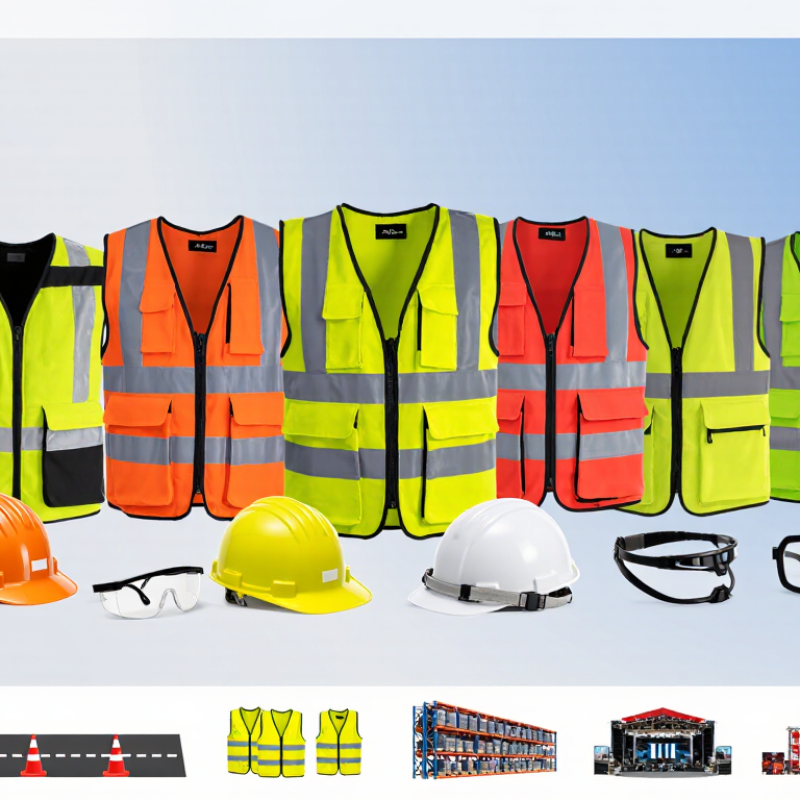
Choosing the right Reflective Vest for a team is not just a matter of picking a bright color. The right option should suit the work, the environment, and the people wearing it for an entire shift. A vest that looks highly visible in a product photo may feel bulky over a winter coat or ride up when someone bends to lift equipment. Small details matter.

Start by considering where and when your team works. Roadside crews, warehouse staff, and event workers may face very different visibility challenges. Look at available light, background colors, moving vehicles, and whether workers need to be seen from the front, back, or sides. Then check fit, closure type, pocket placement, and compatibility with other protective gear. Comfort affects whether a vest gets worn correctly. That is easy to underestimate.

Material and care deserve attention, too. Frequent washing, rain, dust, and abrasion can affect a garment over time, so review the maker’s care instructions and inspect vests regularly for damage or fading. Where applicable, confirm that the vest meets the safety requirements relevant to your location and task; product descriptions alone are not enough. Ask workers to try samples during realistic movements, not just while standing still. Their feedback may expose a problem the purchasing team missed.

There is no perfect vest for every job. A useful selection balances visibility, fit, durability, and budget, while recognizing that garments cannot replace safe procedures or training. Test before ordering in bulk. Then review what actually works.
How to Choose the Right Reflective Vest for Your Team?

Assess the Hazards and Visibility Needs of the Worksite

How to Choose the Right Reflective Vest for Your Team?

Assess the Hazards and Visibility Needs of the Worksite

Start by observing the worksite during a typical shift. Note moving vehicles, reversing equipment, dim corners, and workers crossing busy routes. A vest that stands out beside a warehouse wall may blend into traffic or bright outdoor surroundings. Check visibility at dawn, dusk, and night, not just under midday sun. Conditions change quickly.

Match the vest to the task. Workers who reach, bend, or climb may need a fit that stays in place without restricting movement. Consider whether rain gear, tools, or other required equipment could cover reflective areas. Look for bright material and reflective bands that remain visible from several angles. Inspect garments regularly; dirt, fading, and damaged tape can reduce visibility. Replace them when wear becomes noticeable. A quick visual check helps, but it can miss problems in poor light.

Tips: Walk the work route from a driver’s viewpoint. Ask workers where visibility feels weakest. Check the site’s safety requirements before selecting garment features. Then test the fit during real tasks. A choice may look right on a hanger and still fail on a moving worker.

Understand Reflective Vest Classes and Safety Standards

Choosing a reflective vest starts with the hazard, not the color. ANSI/ISEA 107 classifies high-visibility apparel by garment type and performance class. Type R is intended for roadway use; Type O covers off-road work, while Type P applies to public-safety activities. Classes reflect minimum amounts of visible background and retroreflective material. Higher classes provide greater visibility coverage, but the label alone cannot assess every site risk.

FHWA’s 2022 Work Zone Safety Fact Sheet reports 891 people killed in U.S. work-zone crashes. That figure is a reminder that workers may face fast traffic, poor light, and blocked sightlines. For roadside crews, compare the required class with vehicle speeds, work distance, and day or night shifts. Check whether reflective bands remain visible when workers bend, reach, or wear tool belts. Small details matter.

If your team works under EN ISO 20471, check that garments meet the specified class and local requirements; do not assume its labels map directly to ANSI/ISEA 107. Fit matters, too. A vest that twists under a harness may hide reflective bands. Inspect garments for dirt, fading, damaged tape, and loose seams, following the care label. I would also test visibility at the actual work area, since warehouse lighting can make a vest look brighter than it appears beside headlights.

Choose Materials, Colors, and Vest Features for the Task

How to Choose the Right Reflective Vest for Your Team?

Choose Materials, Colors, and Vest Features for the Task

Start with the work environment. A lightweight mesh vest can feel cooler during outdoor summer shifts, while a sturdier fabric may suit rough handling or repeated use. Check that seams and closures hold up to daily movement. Bright fluorescent colors help workers stand out in daylight, but they are not a substitute for reflective strips in low light. Match the vest’s visibility features to the actual conditions.

Think about what workers need to carry and how they move. A road crew member may need secure pockets for a radio, while a warehouse worker may prefer a simple design that will not catch on equipment. Choose a fit that allows a jacket underneath without hanging loose. Try the vest during a normal task, not just in a fitting room. Small details matter. I have seen a vest look perfect on a hanger, then ride up whenever someone reaches overhead.

Tips: Check visibility from the front, back, and sides. Ask workers to test pockets, fasteners, and comfort during a full shift. Inspect reflective areas for dirt, wear, or peeling, and replace damaged garments. Also confirm that the selected vest meets your site’s requirements; needs can vary by task and location.

Select the Right Fit and Sizes for Every Team Member

How to Choose the Right Reflective Vest for Your Team?

Select the Right Fit and Sizes for Every Team Member

A vest should fit over the clothing people actually wear, not just a thin shirt. Ask each team member to measure chest circumference over a typical work layer, then compare it with the garment’s size chart. Charts vary, and a label marked “large” is not a reliable measurement. Allow room to bend and reach, but avoid loose fabric that catches on equipment. Check that the vest stays in place when the wearer raises both arms. Small details matter.

People move differently. A single sample size rarely fits everyone well. Before ordering for a full team, have workers try on a few sizes and walk, sit, and reach in them. Watch for shoulder seams pulling, armholes rubbing, or a hem lifting above the waist. If staff wear bulky coats in colder months, repeat the fit check with those layers. I’ve seen teams overlook this seasonal change; it can mean ordering again. Record each person’s preferred size, but verify measurements when clothing layers or vest styles change. For new hires, keep a simple measuring tape and a private size record available.

Check Care, Durability, and Replacement Requirements

How to Choose the Right Reflective Vest for Your Team?

Care labels and replacement rules matter as much as fit. ANSI/ISEA 107-2020 covers high-visibility apparel performance and labeling, including care information. Check each vest’s label before setting wash procedures. Use the stated water temperature, detergent guidance, and maximum wash cycles; heat or harsh chemicals may damage reflective elements. Keep a simple wash log. It is easy to forget.

Durability shows in the details. Inspect reflective bands for cracks, peeling edges, or dull patches, and check seams, zippers, and pockets for wear. Compare used vests with a clean one under vehicle headlights, not only in bright daylight. A vest may look acceptable indoors but reflect unevenly at night. Replace it when damage, fading, contamination, or lost visibility cannot be corrected through approved care.

The need for reliable visibility is serious: the U.S. Bureau of Labor Statistics reported 5,283 fatal work injuries in 2023, including 1,942 transportation incidents. Those figures cover many hazards, not vest failures, but they underscore why worn equipment deserves attention. Set a replacement trigger before damage becomes obvious: the garment’s stated wash limit, failed inspection, or a change in fit that leaves reflective areas covered. Keep replacement records by crew and shift. Small defects are easy to miss during a rushed morning check. A second pair of eyes helps.

FAQS

How should we measure each team member for a vest?

Measure chest circumference over a typical work layer. Compare the result with the vest’s size chart, not just its label.

How can we check whether a vest fits during work?

Ask workers to walk, sit, bend, and reach. The vest should stay in place when both arms rise. No fabric should catch on equipment.

Should workers try on vests before a team order?

Yes. Try several sizes with a few team members first. Check for tight shoulders, rubbing armholes, or a hem that rides above the waist.

What if workers wear bulky coats in winter?

Repeat the fit check over those coats. A size that works over a shirt may feel restrictive in colder weather. This is easy to overlook.

What care instructions should we follow?

Read the garment’s care label before washing. Follow its temperature, detergent, and wash-cycle guidance. Keep a simple wash log.

How can we spot wear that affects visibility?

Look for cracked reflective bands, peeling edges, dull patches, worn seams, damaged zippers, and loose pockets. Compare used vests with a clean one under headlights.

When should a vest be replaced?

Replace it if it is damaged, faded, contaminated, or no longer fits properly. Follow the stated wash limit and your inspection rules. Don’t wait for obvious failure.

How can teams avoid missing small defects?

Record inspections and replacements by crew and shift. A second person can check the vest during a rushed morning inspection. Small flaws hide.

Conclusion

Choosing the right Reflective Vest starts with understanding the worksite. Consider traffic speed, lighting, weather, and nearby equipment to determine how much visibility workers need and which areas of the body should be easy to see. Then review the vest classes and applicable safety standards for the type of work, so the level of visibility matches the hazards and job requirements.

Next, select materials, colors, and practical features suited to the task, such as breathable fabric for warm conditions or pockets for frequently used items. Check that each team member can get a comfortable size that allows easy movement and fits properly over their usual work clothing. Finally, consider how the vest will be cleaned, how well it withstands regular use, and when it should be replaced. These steps help teams choose vests that are comfortable, durable, and appropriate for their working conditions.

Aria

Aria

Aria is a dedicated marketing professional with a deep passion for innovative strategies and a keen understanding of our company's product offerings. With a wealth of experience in the industry, Aria excels at crafting engaging content that highlights the unique features and benefits of our......