Choosing the right Hi-Vis Safety Accessories begins with a simple question: what hazard must the worker be seen against? A roadside marshal needs reflective bands that catch headlights. A warehouse picker may need fluorescent details that remain visible beneath uneven lighting. The choice should follow the task, background, weather, movement, and required visibility class.
The UK Health and Safety Executive reported 138 worker fatalities in 2023/24, while work-related injuries remained a significant workplace concern. These figures do not prove that every incident results from poor visibility. They do show why risk assessment cannot be treated as paperwork. ANSI/ISEA 107-2020 also separates high-visibility apparel into performance classes, helping buyers match garments and accessories with workplace exposure. Small details matter. Loose straps can snag. Dirty reflective tape can lose effectiveness. Incorrect sizing can hide fluorescent panels beneath a jacket.
Dr. Andrew Hale, a recognised safety-management researcher, expressed a useful principle: “Visibility is a control, not a complete safety system.” That idea deserves attention. Hi-Vis Safety Accessories should support traffic separation, lighting, training, and supervisor checks, rather than replace them. The European Agency for Safety and Health at Work similarly emphasises that personal protective equipment belongs within a broader prevention strategy. Still, product selection is often rushed. That is where mistakes begin. This guide examines reflective armbands, waist belts, helmet attachments, gloves, and weather-resistant add-ons, with practical criteria for durability, comfort, cleaning, and compatibility. Some choices will remain imperfect. Real sites are messy. Good purchasing recognises that limitation and reviews equipment after actual use.
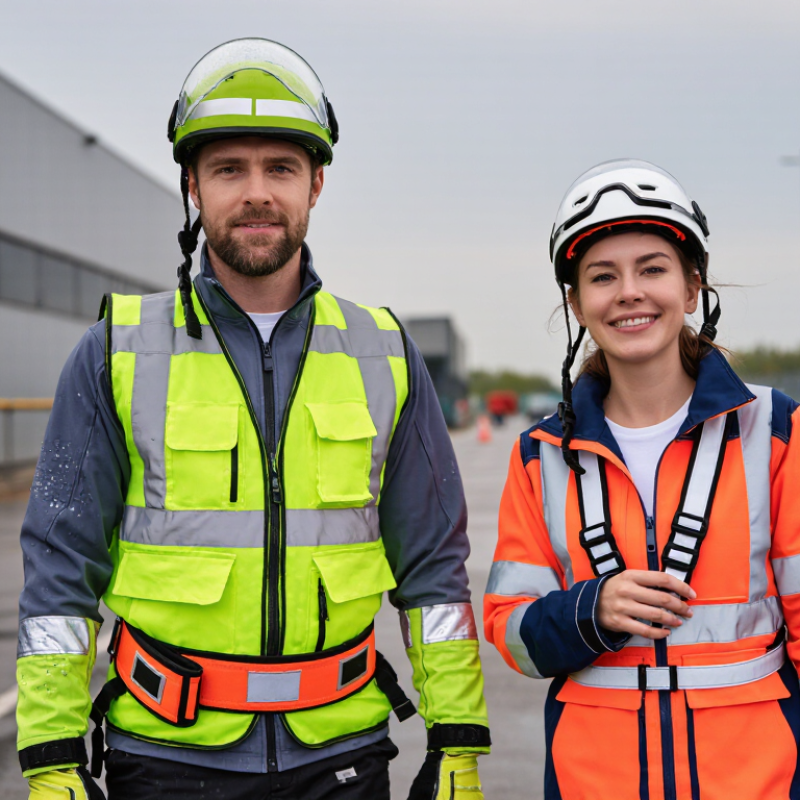
Hi-vis safety accessories make workers easier to detect before a hazard becomes urgent. Their role is visual communication: they show where a person is, how that person is moving, and whether the person belongs inside a risk zone. This matters near vehicles, loading bays, roadwork, warehouses, and low-light areas. A bright vest helps, but visibility depends on contrast, movement, lighting, and background conditions.
The U.S. Bureau of Labor Statistics recorded 2,066 fatal transportation incidents in 2022, representing 38.2% of all occupational fatalities. This data does not prove that accessories prevent every incident. It does show why workers near moving equipment need stronger visual recognition. Choose fluorescent material for daytime contrast, retroreflective bands for headlights, and accessories that remain visible when the body turns. Arm bands, helmet covers, and ankle bands can support recognition, but only when they fit securely and do not restrict movement.
ANSI/ISEA 107-2020 classifies high-visibility apparel by risk conditions, background, and required visibility performance. Use that framework when selecting garments and accessories. Check the worksite, not just the product label. A pale accessory may disappear beside concrete dust. Reflective tape may fail when covered by rainwear or tools. Small oversights matter. A vest is not magic. Supervisors should inspect fading, damaged reflective strips, loose fasteners, and poor fit during routine safety checks. Personal experience often exposes the gap between a compliant design and real visibility.
Choosing the right hi-vis safety accessories starts with the worksite, not the product shelf. Assess vehicle speed, worker distance, lighting, weather, and background colors. Wet asphalt, dusk, and vehicle headlights can reduce contrast quickly. A bright vest may look effective indoors but fail beside dark machinery.
The U.S. Bureau of Labor Statistics reported 5,283 fatal work injuries in 2023, with transportation incidents accounting for 1,942 deaths. This figure reinforces the need for visibility around moving vehicles. Under ANSI/ISEA 107-2020, Class 1 apparel suits lower-risk areas, while Class 2 supports moderate traffic exposure. Class 3 provides greater body coverage for high-speed traffic, poor visibility, or complex tasks. Accessories should match that risk level.
Think about movement, too. Reflective bands on ankles and wrists create motion cues at night. High-contrast panels help separate the torso from changing backgrounds. Keep reflective surfaces clean and uncovered by radios, tool belts, or rain layers. Replace damaged trim promptly. Small details matter.
Do not rely on color alone. Retroreflective material needs light to work. Inspect it under actual site conditions, not only under showroom lighting. A vest alone can feel reassuring, but that feeling may mislead. Supervisors should review near misses and worker feedback, then adjust the visibility system when conditions change. Experienced teams still miss things. That is worth admitting.
Choosing hi-vis accessories starts with the clothing underneath and the work environment around you. A vest should sit flat over jackets, not bunch around the shoulders. Reflective bands must remain visible when carrying tools or wearing a backpack. Fit comes first. Loose straps can catch on equipment, while tight layers may restrict movement.
Match accessories to the task. Roadside workers may need reflective arm bands, gloves, and a weatherproof outer layer. Warehouse workers often need clear visibility around forklifts, so accessories should not block hearing or peripheral vision. NHTSA’s Traffic Safety Facts 2022 reported 7,522 pedestrian deaths in the United States, with most occurring in dark conditions. This supports using reflective details and approved lighting for night work, but lights should not distract drivers or coworkers.
Weather changes fast. In rain, choose water-resistant materials and check whether reflective surfaces remain visible when wet. In fog, contrast matters more than decoration. Cold-weather layers need accessories that stay secure over thicker clothing. Heat creates another problem: too many layers can cause discomfort and reduce compliance. The U.S. Bureau of Labor Statistics recorded 1,942 workplace deaths from transportation incidents in 2023. That figure does not prove every incident involved poor visibility, but it makes visibility planning difficult to ignore. A practical inspection should include movement, coverage, cleanliness, and damage. Accessories are not permanent solutions; they need regular review.
| Work Task or Environment | Visibility Risk | Recommended Accessories | Clothing Compatibility | Weather and Lighting Considerations | Selection and Use Guidance |
|---|---|---|---|---|---|
| Roadside maintenance and traffic control | Workers may be exposed to moving vehicles, changing traffic lanes, and limited driver reaction time. | High-visibility vest Reflective armbands High-visibility gloves Helmet cover | Choose accessories that do not cover the reflective bands or fluorescent background material on the main garment. | Use retroreflective details for dusk, night, and headlight conditions. Select fluorescent colors for daytime visibility. | Keep reflective elements visible from the front, back, and sides. Follow the site traffic-management plan and applicable local requirements. |
| Warehouse and forklift operations | Visibility can be reduced by shelving, blind corners, vehicle movement, and mixed pedestrian traffic. | Hi-vis vest or jacket Reflective trouser bands Hi-vis cap Clip-on light | Use low-profile accessories that will not snag on racks, pallets, or vehicle controls. Keep closures secure. | For indoor areas, fluorescent material improves daytime contrast; a small approved light may help in dim zones if permitted. | Do not attach loose cords or oversized items near moving equipment. Check that accessories do not interfere with hearing protection or vision. |
| Night work and low-light inspection | Workers can be difficult to identify against dark backgrounds, especially when facing away from a light source. | Retroreflective vest Reflective ankle bands Reflective helmet markings Personal light | Use accessories that maintain a continuous or clearly recognizable visibility pattern without hiding garment markings. | Retroreflective material returns light toward the source; it does not provide illumination by itself. Carry a suitable task light where required. | Inspect reflective surfaces for dirt, abrasion, and loss of brightness. Replace damaged items rather than relying on a light alone. |
| Rain, snow, and wet conditions | Water, spray, fog, and wet surfaces can reduce contrast and obscure garment details. | Hi-vis waterproof shell Water-resistant cover Reflective rain hat Water-resistant gloves | Layer accessories over, or integrate them with, the outermost weatherproof layer. Avoid covering reflective tape with non-reflective rainwear. | Choose durable, water-resistant construction and check visibility after the material becomes wet. Keep reflective areas clean and unobstructed. | Do not assume that ordinary dark rainwear remains highly visible when wet. Confirm that the complete rain system is suitable for the work risk. |
| Cold-weather outdoor work | Bulky layers can hide reflective bands and may restrict movement or reduce awareness. | Hi-vis insulated jacket Hi-vis over-trousers Reflective gaiters Insulated gloves | Size accessories for the full base-layer system. Select adjustable designs that stay secure over insulated clothing. | Use fluorescent material in daylight and retroreflective material in darkness. Avoid loose ends that can catch on equipment. | Check mobility, cuff closure, and visibility while wearing all layers. Replace compressed or damaged reflective sections. |
| Hot-weather and high-sun work | Heat stress may lead workers to remove or loosen visibility garments, reducing protection. | Lightweight hi-vis vest Breathable hi-vis cap Hi-vis arm sleeves Sun protection | Choose breathable, lightweight accessories that fit securely without restricting ventilation or movement. | Fluorescent colors are intended to improve daytime conspicuity. UV exposure, sweat, and repeated washing can degrade materials over time. | Use a work-rest-hydration plan where needed. Keep the required visibility coverage in place even when temperatures rise. |
| Dusty, muddy, or dirty work areas | Soil, grease, and dust can reduce the contrast and reflectivity of high-visibility materials. | Washable hi-vis vest Reflective boot bands Helmet cover Spare accessories | Select accessories with surfaces that can be cleaned according to the care instructions. Keep reflective tape free from heavy contamination. | Visibility may drop quickly when fluorescent fabric becomes heavily soiled. Carry clean replacement items for extended or severe exposure. | Remove contaminated accessories from service if cleaning does not restore adequate visibility or if the material is damaged. |
| Climbing, lifting, and mobile maintenance | Loose accessories may snag, fall, or interfere with harnesses, tools, ladders, and moving machinery. | Low-profile vest Secure armband Reflective helmet marking Hi-vis tool pouch | Accessories must be compatible with harnesses, belts, gloves, and other required personal protective equipment. | Use durable attachment systems that remain secure during movement, wind, and repeated contact with equipment. | Complete a snag and interference check before work. Never modify an accessory in a way that weakens its attachment or removes visibility material. |
| Emergency response and evacuation routes | Smoke, power loss, crowd movement, and rapidly changing conditions can make people difficult to locate. | Hi-vis vest Reflective helmet marking Reflective wrist bands Personal identification panel | Use clearly visible accessories that remain compatible with helmets, respiratory protection, and protective outerwear. | Combine fluorescent and retroreflective features where both daytime and low-light identification are expected. | Use only accessories authorized by the emergency or site safety plan. Keep identification markings legible and replace worn items. |
How to Choose the Right Hi Vis Safety Accessories?
Check Standards, Fit, Comfort, and Compatibility Before Buying
Choosing hi vis safety accessories requires more than picking the brightest color. Check the relevant workplace standards before buying. Requirements may differ by industry, weather, risk level, and visibility distance. Look for clear information about reflective performance, garment class, cleaning limits, and intended use. If the label is unclear, pause.
Fit affects visibility and movement. An oversized vest can catch on equipment, while tight armbands may restrict circulation. Try accessories over the clothing you actually wear at work. Check whether reflective bands remain visible when you bend, sit, or carry tools. Measure twice. Small details matter.
Comfort also affects real-world use. A stiff collar, rough seam, or heavy accessory may encourage workers to remove it. Inspect stitching, fasteners, ventilation, and weight by hand. I once chose a highly visible vest that felt uncomfortable after an hour; it was rarely worn correctly. That mistake changed my buying checklist.
Compatibility deserves equal attention. Confirm that accessories do not cover harness labels, block pockets, interfere with radios, or reduce the performance of other protective equipment. Rain covers should not hide reflective areas. Gloves should preserve grip, and headwear should fit securely under required protection. A practical trial in normal working conditions can reveal problems that product photographs miss. Ask workers for feedback, even when their comments challenge the original choice.
How to Choose the Right Hi Vis Safety Accessories?
Reliable visibility depends on more than selecting bright clothing. Reflective bands, helmet covers, gloves, and visibility panels must remain clean, secure, and easy to see. The International Labour Organization estimated 2.93 million work-related deaths worldwide in 2019, reported in 2024. That figure reinforces a practical point: small equipment failures deserve attention.
Inspect accessories before every shift. Look for cracked reflective tape, faded fluorescent fabric, loose stitching, stretched elastic, and missing fasteners. Mud, oil, and dust can reduce reflectivity. Wash items according to their care instructions, then air-dry them fully. Avoid harsh chemicals unless the manufacturer permits them. In field checks, workers often notice damage only after several weeks. That delay is avoidable, but not always avoided.
Replace an accessory when reflective material peels, visibility remains poor after cleaning, or the fit becomes unreliable. Check compatibility with helmets, gloves, and other protective equipment. HSE recorded 604,000 non-fatal workplace injuries in Great Britain during 2023/24. Hi-vis accessories cannot prevent every incident, yet poor maintenance can remove an important visual warning.
Tips: Keep a simple inspection log. Photograph unclear damage. Store accessories away from sunlight and heat. If you are unsure, replace it. A cheap accessory can become an expensive doubt.
Inspect accessories before every use, keep reflective and illuminated components clean, and replace them when visibility, fastening, or functionality is compromised.
The priority score is a practical inspection aid from 1 to 5. Higher scores indicate accessories that require more frequent checks because damage or failure can quickly reduce worker visibility.
Assess vehicle speed, worker distance, lighting, weather, and background colors. Wet asphalt and dusk can reduce contrast quickly. Match accessories to the actual risk level.
Class 1 suits lower-risk areas. Class 2 supports moderate traffic exposure. Class 3 offers greater coverage for fast traffic or poor visibility. Check workplace requirements before buying.
They create movement cues at night. Drivers may notice moving arms and legs sooner than a still torso. Keep the bands clean and uncovered.
No. Retroreflective material needs light from headlights or other sources. A bright vest may look effective indoors but fail beside dark machinery.
Try it over your real work clothing. Bend, sit, and carry tools during the fitting. Tight bands may restrict circulation. Oversized items may catch on equipment.
Check seams, stitching, fasteners, ventilation, and weight. A stiff collar can become unbearable after an hour. Uncomfortable gear may be removed.
They should not cover harness labels, block pockets, or interfere with radios. Rain layers must not hide reflective areas. Test the complete setup during normal work.
Inspect them before every shift. Look for cracked tape, faded fabric, loose stitching, stretched elastic, and missing fasteners. Small damage is easy to overlook.
Follow the care instructions and air-dry items fully. Mud, oil, and dust can reduce reflectivity. Replace peeling material or poor-fitting accessories. If uncertain, replace it.
Hi-Vis Safety Accessories play an important role in improving worker visibility, especially in areas with vehicle traffic, low light, heavy equipment, or changing weather. They should be selected according to the specific hazards and visibility level required for each work environment. Before choosing an item, consider whether it will be worn with existing protective clothing, support the worker’s tasks, and remain effective in rain, darkness, dust, or other challenging conditions.
A suitable accessory should meet relevant safety standards and provide a secure, comfortable fit without restricting movement. Compatibility with helmets, outerwear, footwear, and other protective equipment is also essential. Regular inspections can identify fading, damage, loose fasteners, or reduced reflective performance. Cleaning and storing accessories correctly helps extend their service life, but worn or damaged items should be replaced promptly to maintain reliable visibility and support safer daily operations.