- Yongkang, Jinhua City, Zhejiang, China
- [email protected]
- +86-0579-87121726


Choosing suitable Hi-Vis Rainwear & Pants is not simply a matter of picking the brightest color. Outdoor workers face rain, wind, vehicle traffic, mud, and changing temperatures. Their clothing must support visibility while keeping water outside. A reliable choice begins with the job environment. Consider roadwork, construction sites, warehouse yards, utilities, or emergency maintenance. Each setting creates different risks. Check the garment’s reflective areas, waterproof rating, seam construction, hood design, and ventilation. Small details matter. A covered zipper can prevent water from reaching your base layer. Adjustable cuffs can stop rain from running into gloves. Reinforced knees may improve comfort when workers kneel on wet ground.
Fit also deserves careful attention. Hi-Vis Rainwear & Pants should allow practical movement without hanging loosely near machinery. Try them over the layers normally worn during a cold shift. Tight shoulders can restrict reaching. Oversized trouser legs can catch on steps or equipment. Look for breathable fabrics when physical work creates heat, but remember that breathability rarely feels perfect during heavy rain. That is an honest limitation. Review the manufacturer’s care instructions, because damaged reflective tape or poorly washed fabric may reduce performance. Inspect garments before each shift for torn seams, blocked fasteners, and fading panels. Workplace requirements can differ by location and task, so confirm applicable safety guidance with a qualified supervisor. Bright clothing alone cannot remove every hazard. Good selection supports a broader safety plan, including training, lighting, communication, and alert work practices.
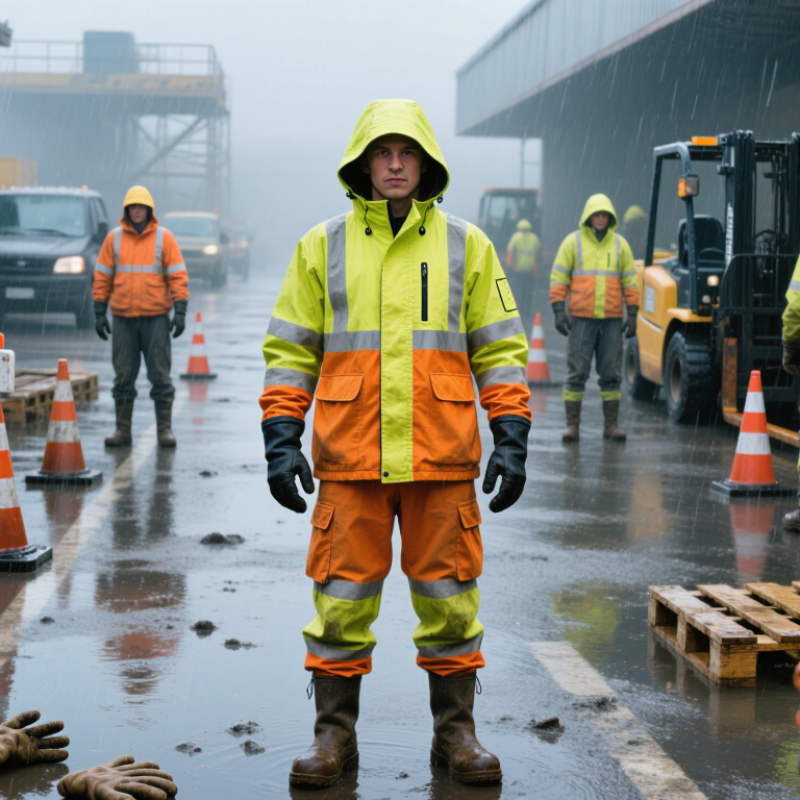
How to Choose Hi Vis Rainwear and Pants for Work?
Define the work conditions before choosing hi vis rainwear or pants. A roadside crew faces moving traffic, spray, and poor weather. A warehouse worker may need visibility near forklifts and loading bays. These risks require different garment features. Note the shift length, temperature, rainfall, wind, and lighting. Night work often requires reflective elements, not bright fabric alone. Check your workplace risk assessment and applicable safety requirements before purchasing.
Waterproof clothing should keep rain out without trapping excessive heat. Look for sealed seams, adjustable cuffs, and a hood that does not block peripheral vision. Pants should fit over work trousers without catching on equipment. Reinforced knees can help during frequent kneeling. However, extra layers may restrict movement. That detail is easy to overlook. Choose a fit that allows bending, climbing, and safe visibility of pockets and tools. Inspect damaged reflective tape promptly, because small defects can reduce recognition in headlights.
Tips: Walk through the actual work area while wearing the clothing. Test visibility from several distances and angles. Check whether rainwater enters at the neck, wrists, or ankles. Clean garments according to their care instructions. Dirt can dull high visibility colors. Do not assume the brightest item is the safest choice; comfort, fit, weather protection, and certified visibility performance must work together. Reassess the choice after a wet shift, when practical problems become obvious.
| Work Condition | Visibility Risk | Recommended Hi Vis Rainwear | Recommended Hi Vis Pants | Key Performance Features | Relevant Selection Guidance |
|---|---|---|---|---|---|
| Daytime road work in clear weather | Workers may blend into traffic, equipment, or roadside backgrounds. | Lightweight high-visibility rain jacket or shell prepared for sudden showers. | High-visibility over-trousers with an adjustable waist and ankle openings. | Fluorescent background material, contrasting retroreflective bands, breathable construction. | Select garments certified to the visibility standard required by the site or local regulation. |
| Rainy daytime construction site | Rain, spray, and wet surfaces reduce contrast and make workers harder to identify. | Waterproof high-visibility jacket with hood adjustment, storm flap, and sealed or well-protected seams. | Waterproof high-visibility trousers with wide leg openings for use over work boots. | Water resistance, durable outer fabric, reflective bands around the torso, arms, and legs. | Check that the reflective material remains visible when the jacket is worn over other layers. |
| Night work near moving vehicles | Low light and headlight glare make retroreflection essential. | High-visibility waterproof jacket with broad, continuous retroreflective bands around the torso and sleeves. | High-visibility waterproof pants with reflective bands around each lower leg. | Strong retroreflective performance, clear body outline, secure closures, and unrestricted movement. | Use the highest visibility class required by the risk assessment; do not cover reflective areas with tools or equipment. |
| Fog, heavy rain, or spray | Mist and water droplets scatter light and reduce the distance at which workers can be recognized. | Fully waterproof high-visibility shell with a fitted hood that does not block peripheral vision. | Waterproof over-trousers with reinforced seat and knees where frequent kneeling is expected. | High water resistance, low water absorption, corrosion-resistant fasteners, and visible reflective details. | Prioritize verified waterproof performance and visibility after wetting, not appearance when dry only. |
| Cold and windy outdoor work | Bulky layers can hide reflective markings and restrict movement. | Insulated or layered high-visibility rain jacket with adjustable cuffs, hem, and collar. | Roomy waterproof pants designed to fit over thermal workwear without catching on equipment. | Wind resistance, thermal compatibility, breathable fabric, and reflective material visible over winter layers. | Allow enough space for base and mid-layers while maintaining the intended visibility coverage. |
| Warm and humid rain conditions | Heat stress may cause workers to remove or unzip garments, reducing visible coverage. | Lightweight breathable rain shell with ventilation openings protected from rain entry. | Lightweight waterproof trousers with side zippers for quick removal and improved airflow. | Moisture-vapor breathability, low garment weight, mesh ventilation, and easy layering. | Balance waterproofing with breathability; use a site heat-stress plan where temperatures are high. |
| Work around dirt, oil, or mud | Soiling can darken fluorescent fabric and reduce both daytime and nighttime visibility. | High-visibility rain jacket with a durable, washable outer surface and protected pockets. | Abrasion-resistant waterproof pants with reinforced high-wear areas and easy-clean fabric. | Stain resistance where available, durable seams, washable reflective tape, and secure pocket design. | Follow the care label; replace garments when fluorescent material is permanently stained or reflective tape is damaged. |
| Frequent kneeling, climbing, or crouching | Body movement and equipment may interrupt the visible outline of the worker. | Flexible high-visibility jacket with articulated sleeves and secure closures that remain fastened during movement. | Two-way side zippers, gusseted ankles, articulated knees, and optional knee-pad compatibility. | Stretch panels, reinforced knees and seat, non-snag hardware, and reflective bands positioned to remain visible. | Test the complete outfit through normal work movements before approval for site use. |
| Work near railways, airports, or high-speed traffic | Very long detection distances and strict site rules may apply. | Certified high-visibility waterproof jacket selected for the specific transport environment. | Certified high-visibility waterproof trousers with full lower-body coverage and compliant reflective layout. | Approved visibility class, durable reflective materials, weather protection, and compatibility with required PPE. | Follow the controlling authority’s specification; standards and class requirements vary by country and industry. |
Consider traffic, forklifts, lighting, rainfall, wind, temperature, and shift length. Night work needs reflective elements. Bright fabric alone is not enough. Check workplace requirements before buying.
Look for sealed seams, adjustable cuffs, and a hood with clear side vision. Check the neck, wrists, and ankles after walking in rain. Small leaks matter.
Measure over the trousers you actually wear. The seat, thighs, and knees should allow bending and climbing. Pants should not pull when you crouch. A loose ankle can catch on equipment.
Walk, squat, climb, turn, and step over a curb. Repeat the movements while wearing rain gloves. Mock the real task. That second test is easy to miss.
Reflective sections help drivers and equipment operators recognize workers in headlights. Keep them uncovered by tool belts or jacket hems. Inspect damaged tape promptly. Tiny defects may reduce recognition.
No. Visibility, fit, weather protection, movement, and comfort must work together. A bright garment can still restrict a stride. Color is not the whole answer.
Check reachable zippers, glove-friendly snaps, adjustable waists, and boot-compatible leg openings. Reinforced knees may help frequent kneeling. Extra panels do not always improve movement. I used to assume they did.
Follow the care instructions and inspect garments after washing. Dirt can dull bright colors. Check cuffs, closures, taped seams, and reflective sections. Replace pants when abrasion exposes the shell or reflective material.
Reassess after a wet shift, when practical problems become obvious. Notice trapped heat, water entry, restricted movement, and covered reflective areas. Comfort is not proof of protection. Neither is stiffness.
Choosing the right Hi-Vis Rainwear & Pants starts with understanding the work environment, weather conditions, and visibility risks. Consider whether workers will face heavy rain, wind, cold temperatures, traffic, machinery, or low-light conditions. Select suitable high-visibility colors and garment classes based on the required level of visual protection, while ensuring the clothing remains comfortable and practical throughout the workday.
When comparing rainwear, evaluate waterproof performance, breathability, seam protection, and resistance to changing weather. Rain pants should provide a secure fit without restricting walking, climbing, bending, or operating equipment, and features such as adjustable waistbands, ankle openings, pockets, and reinforced areas can improve jobsite safety and convenience. Also review the fabric, reflective elements, closures, and applicable safety standards. Proper cleaning, drying, storage, and regular inspection will help maintain visibility, weather protection, and long-term performance.