Choosing the best Hi Vis Hat supplier in China takes more than comparing unit prices. Buyers need dependable visibility materials, secure stitching, consistent sizing, and clear evidence of quality control. The stakes are practical: a hat must remain comfortable under a hard hat, hold its shape through a long shift, and stand out beneath warehouse lights or beside a wet road. Small details matter.
The U.S. Bureau of Labor Statistics recorded 5,283 fatal work injuries in 2023. That figure covers many hazards; it does not measure the protective effect of hats. Still, it shows why careful PPE purchasing deserves attention. ANSI/ISEA 107-2020 sets performance requirements for high-visibility apparel and accessories. ISEA standards leader Daniel Shipp has helped communicate those requirements to the industry. The standard’s stated purpose is to guide “the selection and use of high-visibility safety apparel and accessories.” Check how each supplier applies that guidance to its hat designs, rather than assuming every fluorescent cap offers the same visibility.
Ask for material specifications, sample units, inspection records, and clear answers about customization and lead times. Examine reflective trim in low light. Check seams, closures, and fabric after repeated handling. A polished catalog is not proof. Neither is the lowest quote. Supplier claims should be verifiable, and product performance should match the work environment. This guide compares the details that make a Chinese Hi Vis Hat supplier a reliable sourcing partner—and flags the questions buyers should not skip. One caution: a hat alone may not provide adequate visibility for every task.
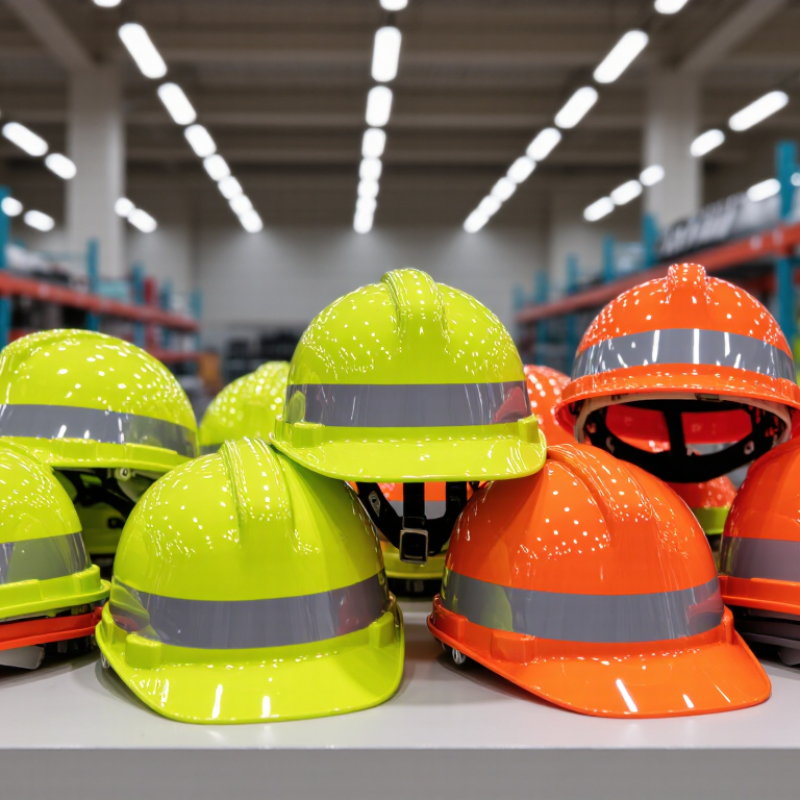
Hi-vis hats are headwear made with fluorescent fabric, reflective details, or both, to help workers stand out. They can suit jobs where a hard hat is not required, or where a brimmed cap is more practical. Picture a road crew member checking tools at dawn, or a warehouse worker moving between aisles and loading bays. Bright colors are most noticeable in daylight; reflective trim can catch vehicle headlights in dim conditions. A hat is not a substitute for safe work practices.
Common styles include caps, bucket hats, knitted beanies, and broad-brimmed sun hats. The right choice depends on weather, site visibility risks, fit, and other protective equipment. It should stay secure without interfering with hearing or sight. Small details matter. Check stitching, reflective panel placement, fabric specifications, and care instructions. Repeated washing may affect appearance or performance, so follow the supplier’s guidance. Ask for a sample and inspect it under the lighting workers will actually face. That step is easy to skip, but a hat that looks bright indoors may be less noticeable outdoors. Match the product to the site risk assessment and relevant local requirements.
Hi-vis hats help make workers more noticeable by adding fluorescent color near the head. They are commonly worn on construction sites, roadwork zones, and other workplaces where visibility matters.
ANSI/ISEA 107 specifies minimum background and retroreflective material areas for compliant high-visibility garments. These requirements apply to garments, not hats; a hat can complement, but does not replace, required compliant apparel. Areas are shown in square meters.
A reliable supplier can explain how each hat is made, not just show polished catalog photos. Ask about fabric weight, reflective trim, stitching, and brim construction. Specific answers matter. For example, the supplier should be able to describe how reflective panels are positioned and how seams are checked during production.
Request a sample and inspect it under bright light and in a dim setting. Check whether the trim lies flat, the adjustable strap stays secure, and the stitching holds around stress points. Wear it through a workday if possible. A quick desk inspection can miss discomfort or heat buildup. Ask for relevant test records and clear product specifications, then confirm that the delivered batch will match the approved sample.
Consistency is another useful measure. Ask how the factory handles incoming materials, in-process checks, and defects found before shipment. Reliable communication helps, too: replies should address your questions and give realistic production updates. A supplier may have impressive procedures and still make mistakes; no checklist removes that risk. I would also ask what happens when a sample fails inspection, since the answer can reveal more than a sales promise.
What Is the Best Hi Vis Hat Supplier in China?
How Do Materials, Manufacturing, and Safety Standards Affect Quality?
A dependable hi-vis hat starts with materials suited to its work environment. Fluorescent fabric should remain vivid under daylight, while reflective panels need to return light when headlights strike them. Check the sweatband, too: a rough edge can irritate skin during a long outdoor shift. Small details matter. Ask how fabric color, stitching, and trim are checked during production, not just on a sample.
Manufacturing consistency affects comfort and service life. Inspect seam lines, brim shape, fastening strength, and the attachment of reflective material. A sample is useful, but it cannot prove every production batch will match. That uncertainty is worth discussing openly with a supplier. Request current test reports and clarify which safety standards apply to the intended use and destination. A hat can improve visibility, but it may not replace required high-visibility clothing or other protective equipment.
Tips: Ask for material specifications, wash-care guidance, and inspection records. Confirm that the sample matches the quoted production design. Try the fit with any required helmet; compatibility can be easy to overlook.
To compare Chinese hi-vis hat suppliers, look beyond the quoted price. Check fabric weight, brim shape, sweatband comfort, and reflective trim placement. Ask for a sample in the exact color and size range you plan to order. Inspect stitching around the crown and brim; small flaws can become obvious after repeated wear. Request test reports and confirm what product and test date they cover. A polished catalog alone is not proof.
Tips: Compare like with like. Ask each supplier for the same specifications, sample quantity, minimum order, and lead time. Keep answers in writing.
Also discuss production checks, replacement terms for defective items, and how design changes are approved. Clear answers matter, but check whether the supplier follows through on sample details. No checklist catches everything. A sample may feel comfortable for a few minutes but become warm after hours outdoors, so gather wearer feedback when possible. Expect some uncertainty: one supplier may offer better customization, while another provides steadier delivery. Choose based on your actual use, not promises alone.
Finding a reliable hi-vis hat supplier in China takes more than comparing prices. Start with the intended use: outdoor roadwork, warehouse duties, or hot-weather site work may require different fabrics and brim shapes. Ask for fabric weight, reflective-tape specifications, available sizes, and clear photos of stitching. Small details matter. A loose seam near the crown can shorten a hat’s useful life.
Request a sample before discussing a large order. Check the fit, sweatband, ventilation, and tape placement in daylight and under low-light conditions. Ask how the sample compares with bulk production, and whether inspection records or relevant test reports are available. Verify what each report covers; a document alone does not confirm that every product variation was tested. A neat sample can be misleading.
Discuss minimum order quantities, production lead times, packaging, and how defects are handled. Ask for written answers and a production schedule with specific dates. Notice whether the supplier explains limitations or simply agrees to every request. That distinction is useful. I would still leave room for uncertainty: color, fit, and perceived comfort can vary between wearers. Compare samples with the people who will actually use them before placing a substantial order.
Use this evaluation framework to compare suppliers. The suggested weights are a practical starting point; adjust them to match your product specification, destination market, and order requirements.
| Evaluation step | Weight | What to check | Useful evidence or questions | Score (0–5) |
|---|---|---|---|---|
| 1. Confirm product and market requirements | 15% | Hat style, intended use, visibility features, size range, colors, packaging, and destination-market requirements. | Can the supplier document the proposed materials and construction? Ask which customer or regulatory specifications apply, and confirm whether any claimed standard covers the hat itself or only particular materials or components. | ____ / 5 |
| 2. Verify business and production capability | 15% | Whether the supplier is a manufacturer, trading company, or both; relevant equipment, workforce, production capacity, and subcontracting controls. | Request a current business registration, facility details, production-flow description, and disclosure of outsourced processes. Verify that the information is consistent and independently checkable. | ____ / 5 |
| 3. Review materials and product specifications | 15% | Fabric composition and weight, reflective material details, stitching, closures, ventilation, sweatband, and care instructions. | Request a written bill of materials, dimensional specification, and sample of the proposed production materials. Check that substitutions require approval. | ____ / 5 |
| 4. Assess quality control and testing | 15% | Incoming-material checks, in-process inspections, final inspection, defect handling, and test methods relevant to the agreed specification. | Ask for sample inspection records and applicable test reports. Confirm the report identifies the tested material or product, test method, date, and issuing laboratory; check that its scope matches your requirements. | ____ / 5 |
| 5. Evaluate samples and fit | 10% | Comfort, fit, finish, color consistency, reflective-material placement, and performance after care or use relevant to the product. | Request a pre-production sample made to the final specification. Record approval criteria and keep an approved reference sample for comparison with bulk production. | ____ / 5 |
| 6. Compare price, MOQ, and payment terms | 10% | Itemized pricing, minimum order quantity (MOQ), sample charges, tooling or setup fees, payment schedule, and quotation validity. | Compare like-for-like specifications and order quantities. Ask which costs are included and how price changes are handled if materials, quantities, or specifications change. | ____ / 5 |
| 7. Check lead time and delivery planning | 10% | Sample lead time, production schedule, peak-season capacity, packing details, shipping options, and contingency planning. | Request a milestone-based schedule and clarify when lead time starts. Confirm the shipping term, dispatch point, carton details, and who handles export and import arrangements. | ____ / 5 |
| 8. Review communication and after-sales support | 10% | Response clarity, record keeping, change control, complaint handling, and willingness to resolve quality issues. | Use a written specification and ask how claims are investigated, what evidence is required, and how corrective actions or replacements are agreed. | ____ / 5 |
| Total weight: 100% | Weighted result: sum of (criterion score ÷ 5 × criterion weight) | ____ / 100 | ||
Scoring guide: 0 = no evidence; 1 = major gaps; 2 = below requirements; 3 = meets basic requirements; 4 = strong evidence; 5 = fully verified and consistently demonstrated. Treat scores as a comparison aid, not a substitute for checking legal, safety, or customer-specific requirements.
Fluorescent fabric should stay vivid in daylight. Reflective panels should return light when headlights hit them. Check the sweatband edge, too. Rough fabric can irritate skin during a long shift.
Inspect the seams around the crown and brim, the brim shape, fastening strength, and reflective trim attachment. Small details matter. Ask how these features are checked during production.
No. A sample shows one item, not every future batch. Request inspection records and confirm that the sample matches the quoted production design. Some uncertainty remains.
Request current test reports and check which product and test date they cover. Confirm the standards relevant to the intended use and destination. A report needs context.
No. It can improve visibility, but it may not replace required high-visibility clothing or other protective equipment. Check the needs of the worksite.
Ask each supplier for the same fabric weight, color, size range, sample quantity, minimum order, and lead time. Compare like with like. Keep answers in writing.
Try the fit with any required helmet. Ask wearers to test the hat outdoors for several hours; it may feel warm over time. A short fitting is not enough.
Discuss production checks, replacement terms for defective items, and how design changes are approved. Clear promises help, but follow-through matters more. No checklist catches everything.
Choosing the best Hi Vis Hat supplier in China starts with understanding how these hats are used to improve visibility for workers, outdoor crews, and others in low-light or busy environments. A dependable supplier should communicate clearly, offer consistent product quality, support customization, and provide practical information about production capacity, lead times, and quality checks. The hat’s materials, construction, fit, comfort, and durability all influence how well it performs during everyday use.
Buyers can compare suppliers by reviewing samples, checking material and manufacturing details, discussing relevant safety requirements for their intended market, and evaluating pricing alongside service and delivery reliability. Asking clear questions and confirming specifications before placing an order helps reduce misunderstandings. The right supplier is not simply the one with the lowest price, but the one whose products and processes best match the buyer’s performance needs, budget, and purchasing expectations.