What Are the 2026 Top Types of High Visibility Rain Gear?
High Visibility Rain Gear is becoming more technical, not simply brighter. In 2026, buyers will compare waterproofing, breathability, fit, visibility, and repairability. A yellow jacket alone is not enough.
The U.S. Bureau of Labor Statistics recorded 5,283 fatal workplace injuries in 2023. Transportation incidents caused 2,077 deaths, representing nearly 40% of the total. These figures explain why visibility remains essential around roads, loading areas, rail yards, and construction zones. OSHA also emphasizes that workers should remain visible to drivers and moving equipment operators. ANSI/ISEA 107-2020 provides performance guidance for high-visibility safety apparel, including background material, reflective elements, and garment design.
Dr. John Howard, former director of the National Institute for Occupational Safety and Health, has stated, “Prevention is the best way to protect workers.” That principle fits rainwear closely. Good protection must be seen before it is needed.
This outline will examine waterproof high-visibility jackets, two-piece rain suits, bib overtrousers, reflective ponchos, insulated winter rain gear, and lightweight breathable shells. It will also consider fluorescent yellow, orange, and contrasting trim. Small details matter, such as sealed seams, storm flaps, glove-friendly zippers, and reflective bands that remain visible when fabric folds.
Market forecasts from Grand View Research and Research and Markets indicate continued growth in protective workwear. However, forecasts vary by region, product definition, and reporting method. That uncertainty deserves attention. The best 2026 choice may not be the most expensive garment. It may be the one workers actually wear, maintain, and replace when visibility begins to fade.
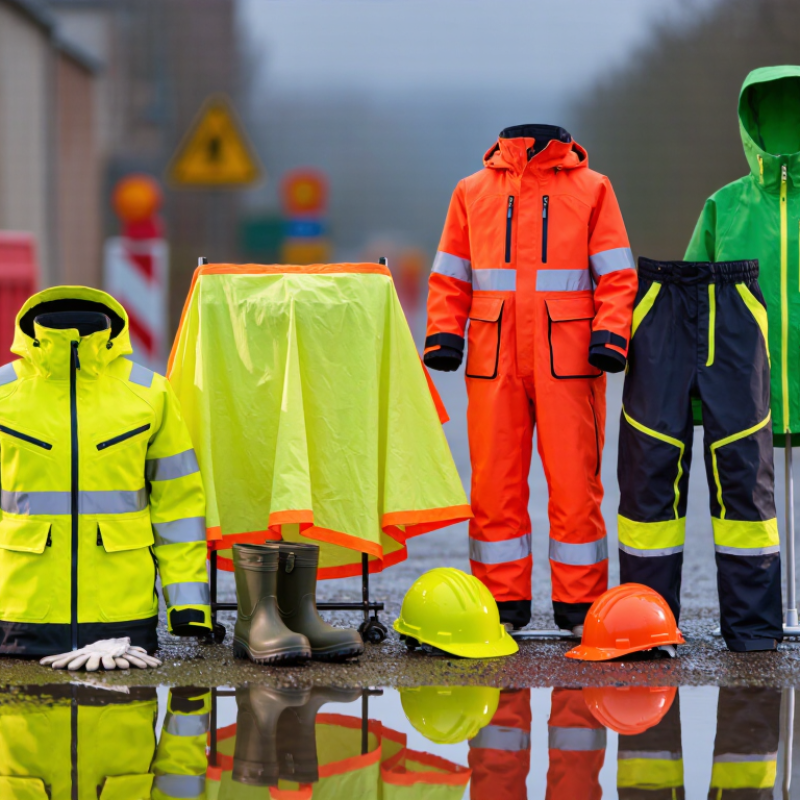
In 2026, high-visibility rain gear is defined by more than bright yellow or orange fabric. It must remain noticeable during heavy rain, low light, and roadside spray. Fluorescent materials improve daytime visibility. Retroreflective bands help headlights reveal workers at night. The strongest designs place reflective details around the torso, arms, and legs. Movement matters.
A proper rain jacket should also block water without trapping excessive heat. Waterproof seams, adjustable cuffs, and a covered front closure provide practical protection. Breathable panels can reduce the damp feeling inside the garment. However, breathability is never perfect during hard physical work. That limitation deserves honesty. Workers still need short breaks and suitable layering.
The main types include high-visibility rain jackets, trousers, coveralls, and two-piece rain suits. Ponchos offer fast coverage, but loose fabric may catch on equipment or restrict movement. A two-piece suit usually gives better coverage while climbing, walking, or bending. From field experience, fit often matters as much as color. Sleeves that ride up expose clothing quickly.
Reliable gear should show clear care instructions, tested visibility performance, and durable stitching. Reflective tape can peel after repeated washing. Inspect it regularly. Clean, dry gear is easier to see than muddy gear. In 2026, the best rainwear combines visibility, weather resistance, mobility, and honest performance limits.
What Are the 2026 Top Types of High Visibility Rain Gear?
High-Visibility Waterproof Jackets and Rain Shells
In 2026, high-visibility waterproof jackets remain practical for road crews, cyclists, warehouse workers, and outdoor maintenance teams. The strongest designs combine fluorescent fabric, reflective strips, sealed seams, and adjustable hoods. A breathable three-layer rain shell suits active workers because it releases heat during movement. Lightweight packable shells work better for sudden showers and limited storage.
For colder conditions, insulated waterproof jackets offer more comfort than thin shells. However, insulation can reduce flexibility around the shoulders. I have found that a jacket may look highly visible but feel awkward when reaching, climbing, or driving. Fit matters. Sleeves should cover the wrists without blocking hand movement. Reflective details should remain visible from the front, back, and sides. Check local visibility requirements before selecting workwear, since standards differ by location and job type.
Tips: Test the jacket over your usual layers. Zip it fully and raise both arms. Look for water entering around the collar, cuffs, and pockets. Choose ventilation openings when physical work is intense. Clean reflective panels gently, because dirt and harsh washing can reduce their brightness. Do not assume every “waterproof” label means equal protection. Fabric ratings, seam construction, and maintenance instructions deserve careful attention. A small fitting mistake can become a tiring problem after several hours outdoors.
| High-Visibility Rain Gear Type | Typical Construction | Visibility Configuration | Waterproofing Characteristics | Breathability and Comfort | Best-Suited Work Environment | Main Advantages | Important Selection Considerations |
|---|---|---|---|---|---|---|---|
| High-Visibility Waterproof Jacket | Two- or three-layer waterproof fabric with taped or sealed seams, front closure, adjustable cuffs, and a protective hood. | Fluorescent yellow, orange, or red background material with retroreflective bands. Certification may be available under ANSI/ISEA 107 or ISO 20471, depending on the market. | Designed to prevent rain penetration through the fabric, seams, zipper, and hood area. A waterproof rating should be verified from the product specification. | Moderate to high, depending on the membrane or coating and the presence of ventilation openings. | Road construction, utility work, rail maintenance, logistics yards, and general outdoor work in steady rain. | Provides full upper-body coverage and combines weather protection with conspicuity. | Check seam sealing, zipper protection, hood visibility, sleeve adjustment, and compatibility with required safety apparel. |
| High-Visibility Rain Shell | Lightweight outer shell, commonly made from coated polyester or laminated fabric; often designed to fit over base and mid layers. | Large fluorescent panels and reflective tape or segmented reflective trim. The applicable visibility class depends on the certified design and available background and retroreflective area. | Usually optimized for packability and rain protection. Waterproof performance can vary substantially between coated and membrane-based constructions. | Generally lighter and less insulating than a lined jacket; pit zips or back vents can improve moisture management. | Mobile inspection, transportation, cycling, emergency response, and intermittent outdoor tasks. | Low weight, easy layering, and convenient storage when rain is not continuous. | Confirm that the shell remains visible when worn over other clothing and that the hood does not obstruct peripheral vision. |
| High-Visibility 3-in-1 Rain Jacket | Waterproof outer shell combined with a detachable fleece, quilted, or insulated inner layer. | Outer layer typically provides the primary fluorescent and retroreflective visibility features; some designs also include visible trim on the inner layer. | Offers rain protection through the outer shell while allowing the inner layer to be removed in warmer conditions. | Flexible seasonal comfort, although the combined garment may be heavier and warmer than a single shell. | Year-round construction, public works, warehouse-to-yard operations, and variable weather conditions. | One system can support wet, cool, and mild-weather work conditions. | Check whether the outer shell alone retains the required visibility certification and whether the layers stay securely connected during movement. |
| High-Visibility Bomber Rain Jacket | Shorter waist-length cut with elastic or adjustable hem, storm flap, ribbed or adjustable cuffs, and sometimes a removable hood. | Fluorescent body with horizontal and vertical reflective bands; certified versions may meet applicable high-visibility garment requirements. | Suitable for moderate rain when the shell, closures, and seams are properly waterproofed. | Compact fit can reduce snagging, but the shorter hem provides less coverage than a parka-length garment. | Forklift operations, loading areas, traffic control, delivery work, and active jobs requiring frequent movement. | Good mobility and reduced interference around vehicles, tools, and machinery. | Consider lower-back coverage, compatibility with tool belts, and whether the elastic hem allows rain to enter during bending or reaching. |
| High-Visibility Rain Parka | Longer-cut waterproof garment with extended torso coverage, hood, storm flap, and adjustable waist or hem. | Large fluorescent surface area with reflective bands positioned around the torso and sleeves; certified models may offer greater coverage than shorter jackets. | Provides more coverage against wind-driven rain, especially around the hips and upper legs. | Often warmer and less restrictive in wet weather, but the longer cut may limit movement when climbing or operating equipment. | Traffic management, outdoor security, municipal services, marine facilities, and prolonged stationary work. | Strong weather coverage and high visual contrast from multiple viewing angles. | Check seated mobility, hem length, access to trouser pockets, and whether the hood can be adjusted around a hard hat. |
| High-Visibility Rain Poncho | Loose, single-piece waterproof sheet or cape with a hood, side snaps, and openings for the arms or hands. | Large fluorescent panels and reflective strips; certification depends on the specific design, coverage, and test results. | Can provide broad rain coverage, but open sides and lower edges may allow water entry in strong wind. | Highly ventilated and comfortable in warm rain, with limited insulation and less precise fit. | Short-duration inspections, event management, walking routes, emergency use, and occasional rain exposure. | Fast to put on, easy to store, and compatible with many clothing layers. | Evaluate wind resistance, snag hazards, visibility of hand signals, and compatibility with vehicles or rotating machinery. |
| High-Visibility Rain Trousers | Waterproof over-trousers with elastic or adjustable waist, ankle fasteners, and side openings for access to inner pockets. | Fluorescent leg panels with reflective bands around the lower legs; the full outfit should be assessed for required visibility performance. | Protects the lower body from rain and spray, particularly when combined with a waterproof jacket or parka. | Usually less breathable than lightweight work trousers; side zips and articulated knees can improve comfort and movement. | Roadside work, cycling, utilities, waste collection, and jobs involving standing or walking in persistent rain. | Completes a waterproof rain system and reduces water exposure from splash and runoff. | Check ankle fit, footwear compatibility, reinforced seat and knees, and whether the garment can be put on over safety boots. |
| High-Visibility Insulated Rain Jacket | Waterproof outer fabric with synthetic insulation, quilted lining, or thermal padding; may include a detachable hood. | Fluorescent outer material with retroreflective bands designed to remain visible over the insulated construction. | Combines rain resistance with cold-weather protection; insulation does not automatically indicate waterproof performance. | Warm and suitable for low temperatures, but can cause heat buildup during strenuous work. | Winter road work, cold storage yards, outdoor maintenance, and low-temperature logistics operations. | Reduces the need for multiple bulky layers in cold, wet conditions. | Review thermal comfort, moisture management, freedom of movement, and whether the garment is appropriate for the actual activity level. |
| High-Visibility Softshell Rain Jacket | Stretch woven outer fabric with a water-resistant or waterproof membrane, often combined with a brushed inner face. | Fluorescent fabric and reflective detailing; the garment should not be assumed to meet a visibility standard unless certification is stated. | Many softshells are water-resistant rather than fully waterproof, so they may be more suitable for light rain or showers. | Usually offers good stretch, quiet movement, and comfort during active work. | Inspection, facility maintenance, driving between worksites, and moderate outdoor activity. | Comfortable fit and mobility compared with stiffer coated rainwear. | Distinguish water-resistant from waterproof construction and verify performance after repeated washing and abrasion. |
| High-Visibility Waterproof Coverall | One-piece waterproof garment with full sleeves and legs, front entry, adjustable cuffs, and protective storm flaps. | Fluorescent torso and leg material with reflective bands placed around the body, arms, and legs. | Provides continuous protection with fewer gaps between the jacket and trousers, which can reduce water entry during kneeling or bending. | Can be warm and restrictive if not designed with ventilation, articulated panels, or suitable sizing. | Marine work, heavy maintenance, waste services, agriculture, and prolonged exposure to rain and spray. | Extensive full-body coverage and reduced separation between upper- and lower-body rain protection. | Check restroom access, mobility while climbing, ventilation, abrasion resistance, and compatibility with other personal protective equipment. |
Reflective rain pants and waterproof bib overalls remain leading choices for wet outdoor work in 2026. Rain pants protect the legs without adding much weight. They work well for commuting, road maintenance, cycling, and short tasks in steady rain. Look for wide reflective bands around the calves. They should remain visible when fabric folds or moves.
Waterproof bib overalls offer broader coverage. Their high chest design helps stop water from entering around the waist. Adjustable suspenders improve comfort over work layers. Reinforced knees and seat areas matter when users kneel on wet pavement. Sealed seams, waterproof zippers, and durable coated fabric provide stronger protection than ordinary water-resistant cloth. Breathable panels can reduce heat buildup, though they may not perform equally in every storm.
Fit still decides practical performance. Loose pants can catch on equipment, while tight bibs restrict climbing and bending. I prefer ankle openings with secure adjustments. Small details matter. Reflective material needs clear contrast against the background, especially during dusk, heavy rain, or spray from vehicles. In field use, even good gear can feel clammy after several hours. That remains an issue worth improving. Care instructions also affect reliability; damaged coatings and dirty reflective strips reduce performance over time. Choosing the right garment depends on exposure, movement, temperature, and how long the wearer must remain outdoors.
What Are the 2026 Top Types of High Visibility Rain Gear?
Hi-vis rain suits and waterproof coveralls remain practical choices for wet outdoor work. The U.S. Bureau of Labor Statistics recorded 5,283 fatal workplace injuries in 2023. Transportation, construction, and roadside duties remain especially exposed to moving vehicles and poor visibility. Rain gear cannot remove that risk. It can improve recognition when properly selected and maintained.
A waterproof coverall protects the torso, legs, and clothing underneath. It works well for prolonged rain, muddy ground, and frequent bending. Look for sealed seams, adjustable cuffs, and a two-way front zipper. A hi-vis rain suit offers more flexibility. Workers can wear the jacket alone, then add matching trousers when rain becomes heavier. This layered approach feels practical, although it may create gaps around the waist.
ANSI/ISEA 107-2020 classifies high-visibility apparel by work environment and visibility needs. Its requirements address fluorescent background material, retroreflective material, and garment design. In Europe, EN ISO 20471 uses similar visibility principles. Choose certified garments, not simply bright-colored clothing. That distinction matters at night.
Industry market reports also show continued growth in protective workwear demand through 2030, driven by construction, logistics, and public infrastructure projects. Forecasts vary between publishers, so exact market values deserve caution. My field experience suggests comfort is often underestimated. A stiff coverall may meet specifications but remain unused. Ventilation panels, lighter fabric, and clear sizing can improve real-world compliance. Research does not always capture that daily frustration.
What Are the 2026 Top Types of High Visibility Rain Gear?
Specialized Gear: Ponchos, Vests, and Reflective Accessories
High visibility rain gear is becoming more specialized for changing outdoor conditions. Ponchos provide quick coverage over jackets, backpacks, and work clothing. Their loose shape improves ventilation, but strong wind can make them flap and expose lower clothing. A poncho with a secure hood, sealed seams, and adjustable sides offers better control during heavy showers. Bright fluorescent fabric helps during daylight, while reflective panels become important near vehicle lights or dim streets.
Visibility is layered.
Vests add a lighter option for cyclists, site workers, and pedestrians. They fit over existing rain shells without creating much heat. Choose a vest with wide reflective bands across the chest and back. It should remain visible when a backpack is worn. Reflective accessories, such as ankle bands, glove strips, and bag covers, improve recognition through movement. Small details matter.
Tips: Test the gear before bad weather arrives. Walk under headlights, check reflective coverage, and inspect whether the hood blocks side vision. Keep reflective surfaces clean, since mud and road spray can reduce their effect. I once ignored sleeve coverage and found that rain soaked my cuffs quickly. That mistake changed my buying checklist. Fit matters. Select breathable materials when activity levels rise, but remember that no garment stays perfectly comfortable in every storm.
Specialized gear: ponchos, vests, and reflective accessories
The chart compares common practical characteristics on a 1–5 scale. Ponchos provide the broadest weather coverage, high-visibility vests offer strong daytime recognition with easy layering, and reflective accessories add targeted nighttime visibility with minimal bulk. Scores are comparative design ratings rather than market-share estimates.
It combines fluorescent fabric, reflective bands, waterproof construction, and practical movement. It should remain noticeable in rain, darkness, and roadside spray. Bright color alone is not enough.
Reflective bands around the torso, arms, and legs help headlights reveal movement. Calf bands should stay visible when trousers fold. Clean surfaces reflect better.
Look for sealed seams, adjustable cuffs, and a covered front closure. Breathable panels can reduce inner dampness during activity. Still, hard work may create heat and sweat.
Rain pants protect legs with little extra weight. Bib overalls cover the waist and chest more fully. Two-piece suits usually support climbing, bending, and walking.
Ponchos provide quick coverage over clothing and backpacks. Their loose fabric improves ventilation but may flap in wind. Secure hoods and adjustable sides improve control. They can still expose lower clothing.
Lightweight vests fit over rain shells and create limited heat. Ankle bands, glove strips, and bag covers make movement easier to notice. Check visibility with a backpack.
Fit can matter as much as color. Tight bibs restrict bending, while loose trousers may catch on equipment. Secure ankle openings help keep water away from shoes and socks.
Follow care instructions, wash away mud, and dry the garment fully. Inspect stitching, coatings, closures, and reflective tape regularly. Washing may cause tape to peel. I once overlooked sleeve coverage; my cuffs became soaked quickly. That mistake still influences my checklist.
Walk under vehicle headlights in a safe area. Check reflective coverage, hood visibility, and movement around the arms and legs. Test it early. Mud and spray can reduce reflection.
In 2026, High Visibility Rain Gear is defined by its ability to combine waterproof protection, comfortable movement, and clear visibility in wet or low-light conditions. Modern designs commonly use bright fluorescent colors, reflective panels, sealed seams, adjustable closures, and breathable materials to help workers and outdoor users stay noticeable while remaining dry. High-visibility waterproof jackets and rain shells offer flexible layering for changing weather, while reflective rain pants and waterproof bib overalls protect the lower body without restricting movement.
For full-body coverage, hi-vis rain suits and waterproof coveralls provide practical protection during prolonged exposure to heavy rain. Specialized options, including ponchos, reflective vests, and accessories such as bands, covers, and high-visibility caps, add versatility for different tasks and environments. Choosing the right gear depends on weather intensity, activity level, required mobility, and the amount of visibility needed. Together, these rainwear categories create a practical system for staying protected, comfortable, and easier to see in challenging outdoor conditions.